- Home
- ISLAMIC RESISTANCE
- SECRETARY-GENERAL
-
Full Speeches
- Speeches-2000
- Speeches-2006
- Speeches-2007
- Speeches-2008
- Speeches-2009
- Speeches-2010
- Speeches-2011
- Speeches-2012
- Speeches-2013
- Speeches-2014
- Speeches-2015
- Speeches-2016
- Speeches-2017
- Speeches-2018
- Speeches-2019
- Speeches-2020
- Speeches-2021
- Speeches-2022
- Speeches-2023
- Speeches-2024
- Speeches-2025
- Speeches-2026
- Speech-Reports
- SG
-
Full Speeches
- Voices
- Ten Day Dawn
- The Biggest Crime
- Martyr Leaders

Trump Denies Claims of US Munitions Shortage Amid Iran War
By Staff, Agencies
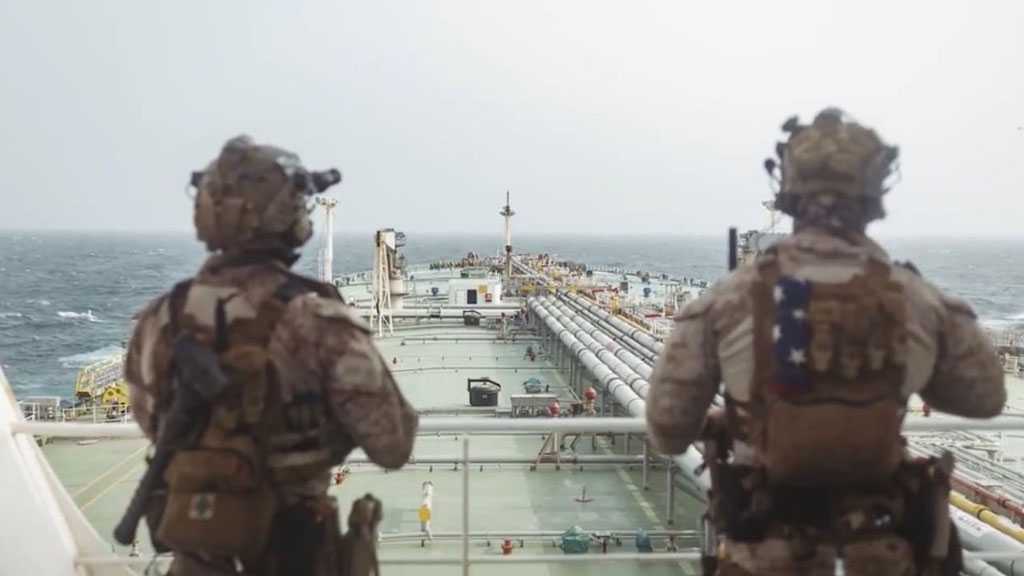
US President Donald Trump has rejected reports that the American military is facing a shortage of munitions as its war with Iran continues, insisting the United States has more than enough weapons despite media reports suggesting dwindling interceptor stockpiles have influenced military planning.
His comments came as a temporary pause in the fighting entered its third day, following reports by The New York Times and The Wall Street Journal that concerns over declining air defense missile inventories had delayed plans for a major new strike on Iran.
Responding to the Wall Street Journal, Trump dismissed the claims, saying, “We have far more munitions than anyone in the world, and far more than we need,” without offering additional details.
US Ambassador to the United Nations Mike Waltz also rejected the reports during an interview with NBC, stating that the US military has all the resources necessary to carry out its operations. He also criticized those responsible for leaking the information, saying they “deserve to be in jail.”
According to the Wall Street Journal, the White House postponed a planned two-week escalation of strikes against Iran to allow room for diplomatic efforts, although Trump could still authorize renewed military action. The report said Chairman of the Joint Chiefs of Staff Gen. Dan Caine had informed senior officials that interceptor stockpiles were declining. While the shortages would not prevent further operations, they could increase operational risks.
The New York Times, citing unnamed sources, reported that Trump’s advisers persuaded him to delay the escalation because of concerns over limited missile supplies and the possibility that intensified fighting and Iranian retaliation could strain relations with US regional allies. The report added that few members of Trump’s inner circle believed expanding the military campaign was the best course of action.
One senior official quoted by the newspaper argued that continued strikes were producing the opposite of their intended effect by strengthening Iranian unity and reinforcing support against an external threat instead of increasing pressure for negotiations.
The Wall Street Journal also reported that the White House warned media organizations that publishing updated government figures on the number of Patriot and THAAD interceptors used since the start of the war could pose a national security risk.
Independent assessments have highlighted the strain on US missile inventories. According to a recent analysis by the Center for Strategic and International Studies [CSIS], US and allied forces are estimated to have used between 1,060 and 1,430 Patriot interceptors during the early stages of the conflict, while annual production at the Camden, Arkansas facility is estimated at around 600 to 620 interceptors. The report also noted that the United States has expended hundreds of Tomahawk cruise missiles, with production estimated at roughly 15 new missiles per month.
Meanwhile, the Iranian Army announced that it had suspended strikes on US military assets across the region, stating that Tehran’s military actions throughout the conflict had been “entirely retaliatory.”
Comments
- Related News
US Military Faces Strain as Iran War Continues
21 hours ago