- Home
- ISLAMIC RESISTANCE
- SECRETARY-GENERAL
-
Full Speeches
- Speeches-2000
- Speeches-2006
- Speeches-2007
- Speeches-2008
- Speeches-2009
- Speeches-2010
- Speeches-2011
- Speeches-2012
- Speeches-2013
- Speeches-2014
- Speeches-2015
- Speeches-2016
- Speeches-2017
- Speeches-2018
- Speeches-2019
- Speeches-2020
- Speeches-2021
- Speeches-2022
- Speeches-2023
- Speeches-2024
- Speeches-2025
- Speeches-2026
- Speech-Reports
- SG
-
Full Speeches
- Voices
- Ten Day Dawn
- The Biggest Crime
- Martyr Leaders

Report: MI5 Chiefs Privately Pressed UK Gov’t to Proscribe IRG, Expand Security Powers
By Staff, Agencies
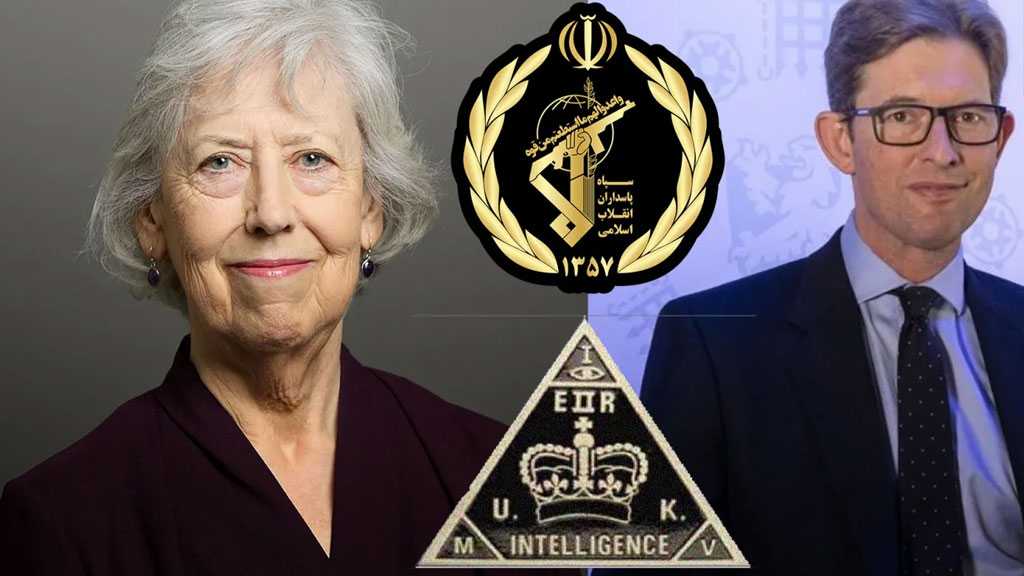
Senior MI5 officials privately lobbied the British government to designate the Islamic Revolution Guards [IRG] as a terrorist organization while helping pave the way for the adoption of the UK’s sweeping National Security Act, according to a report published by The Grayzone.
The report, released on Friday, says that MI5 Director General Kenneth McCallum and former MI5 chief Baroness Eliza Manningham-Buller worked behind the scenes to advance the proscription of the IRG and support legislation expanding the state’s national security powers before the measures were formally introduced.
According to leaked correspondence cited by The Grayzone, McCallum discussed the proposed designation with then-Shadow Home Secretary Yvette Cooper in 2023, acknowledging that the move would likely provide only “modest” direct operational benefits.
Despite recognizing its limited practical effect, McCallum argued that granting authorities such powers remained “sensible to contemplate” as Britain considered formally designating the IRG as a terrorist organization.
The report says momentum for the proscription grew alongside allegations by British security officials that Iran had been linked to plots inside the UK. It notes that McCallum publicly claimed MI5 had disrupted multiple Iran-related threats but did not provide evidence to substantiate those assertions.
On July 13, the British government officially designated the IRG as a terrorist organization, giving authorities expanded powers under UK terrorism legislation to prosecute individuals accused of supporting or promoting the group.
The Grayzone also connects the intelligence campaign to the passage of the National Security Act, legislation that significantly broadened government powers to address activities deemed threats to national security.
One leaked email cited in the report shows McCallum thanking Manningham-Buller for her role in securing the legislation, writing: “Many thanks for your support [and stamina] in getting the NS Act over the line.”
According to the report, the Act introduced new offenses related to the unauthorized disclosure of state information, while parliamentary debates surrounding the legislation explicitly referred to preventing future “WikiLeaks-type” disclosures.
The report further cites concerns raised by legal experts involved in drafting the legislation, who warned that its provisions could have a “chilling effect” on legitimate journalistic work.
The leaked correspondence also indicates that McCallum continued to emphasize warnings about alleged foreign threats, including claims that Iran had been involved in plots targeting the UK.
In an October 2024 email cited by The Grayzone, Manningham-Buller praised McCallum’s public security messaging, writing: “You could not have hoped for fuller coverage. Hope it helps with SR,” an apparent reference to the government’s spending review.
According to the report, the exchange suggests that public claims regarding foreign threats were used to bolster arguments for increased intelligence funding. The British government subsequently announced a seven-percent increase in spending on domestic and overseas intelligence operations.
Comments
- Related News