- Home
- ISLAMIC RESISTANCE
- SECRETARY-GENERAL
-
Full Speeches
- Speeches-2000
- Speeches-2006
- Speeches-2007
- Speeches-2008
- Speeches-2009
- Speeches-2010
- Speeches-2011
- Speeches-2012
- Speeches-2013
- Speeches-2014
- Speeches-2015
- Speeches-2016
- Speeches-2017
- Speeches-2018
- Speeches-2019
- Speeches-2020
- Speeches-2021
- Speeches-2022
- Speeches-2023
- Speeches-2024
- Speeches-2025
- Speeches-2026
- Speech-Reports
- SG
-
Full Speeches
- Voices
- Ten Day Dawn
- The Biggest Crime
- Martyr Leaders

Pentagon Moves To Overhaul Military Education
By Staff, Agencies
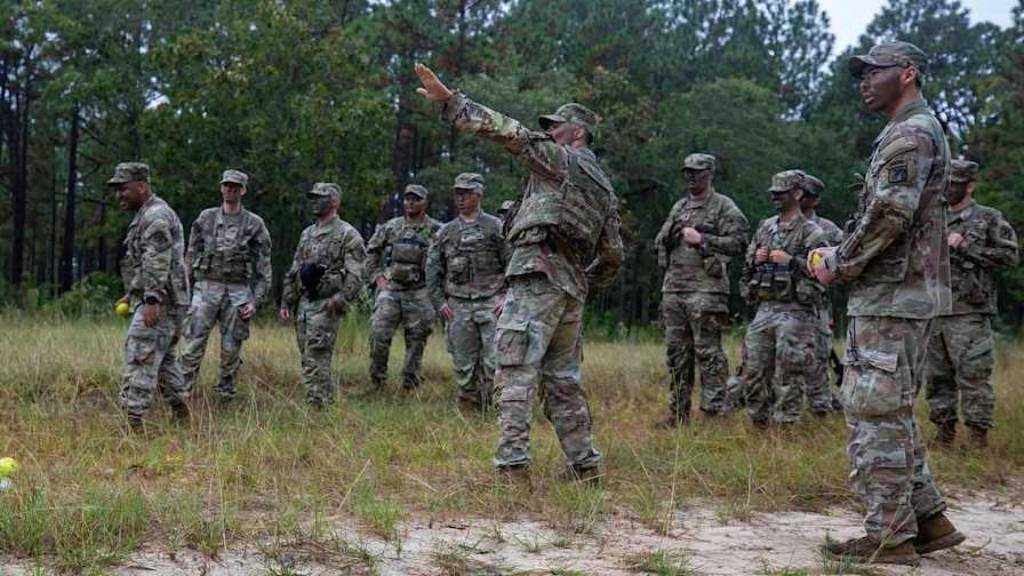
The Pentagon is considering a major overhaul of US military education that would end tenure protections for civilian professors and subject courses at military academies and war colleges to a full review, according to a draft memorandum obtained by CBS News.
The proposed policy, titled “Refocusing the Military Service Academies and Senior Service College on Warfighter Education,” would apply to institutions including West Point, the Naval Academy, the Air Force Academy, the Naval War College, and the Army War College, which together educate more than 10,000 students.
Under the plan, the Pentagon would immediately stop granting tenure to civilian academics and require officials to review courses line by line to determine whether they directly support combat leadership and warfighting readiness. Subjects considered unnecessary or “ideologically driven” could be removed.
The initiative is reportedly being advanced by Assistant Defense Secretary for Manpower and Reserve Affairs Tim Dill and would require approval from Under Secretary of War for Personnel and Readiness Anthony Tata and Secretary of War Pete Hegseth.
The move expands Hegseth’s broader campaign to reshape military education, including removing diversity, equity and inclusion materials, reviewing library collections, and ending some graduate education partnerships with major US universities.
Meanwhile, military academy leaders have defended tenure, arguing it helps attract and retain qualified civilian professors and supports academic debate. They maintain that existing procedures allow the removal of faculty members who fail to meet professional standards.
Critics of the Pentagon proposal warn that limiting academic independence could weaken the ability of future military leaders to examine complex legal, historical, and strategic issues.
The plan also comes amid a separate legal dispute over restrictions on civilian professors’ public speech at West Point.
The proposed changes reflect a broader shift toward a more centralized military education model focused primarily on combat preparation rather than traditional academic freedom.
Comments
- Related News