- Home
- ISLAMIC RESISTANCE
- SECRETARY-GENERAL
-
Full Speeches
- Speeches-2000
- Speeches-2006
- Speeches-2007
- Speeches-2008
- Speeches-2009
- Speeches-2010
- Speeches-2011
- Speeches-2012
- Speeches-2013
- Speeches-2014
- Speeches-2015
- Speeches-2016
- Speeches-2017
- Speeches-2018
- Speeches-2019
- Speeches-2020
- Speeches-2021
- Speeches-2022
- Speeches-2023
- Speeches-2024
- Speeches-2025
- Speeches-2026
- Speech-Reports
- SG
-
Full Speeches
- Voices
- Ten Day Dawn
- The Biggest Crime
- Martyr Leaders

CSTO Official Says Nuclear Weapons Could Defend Allies
By Staff, Agencies
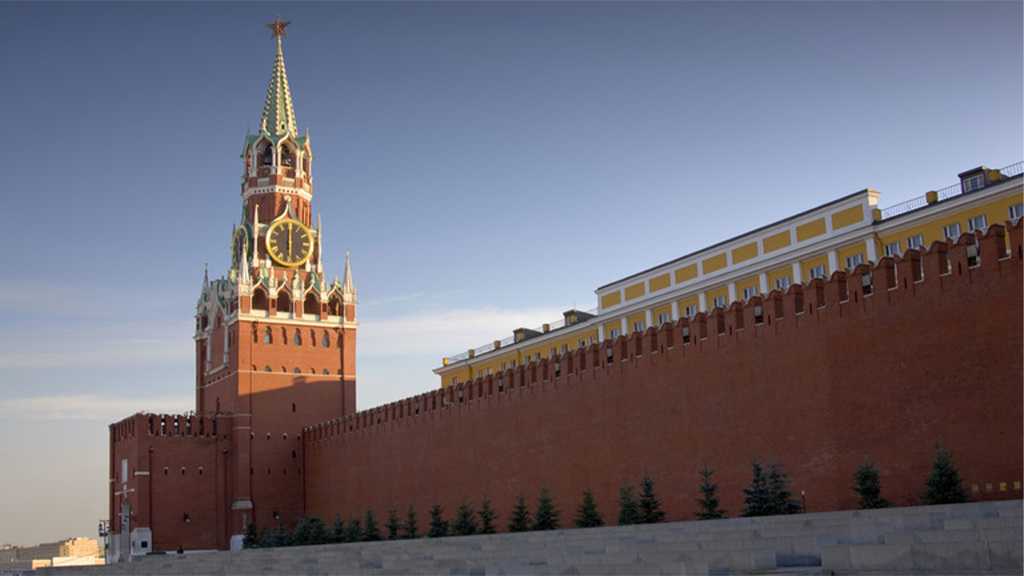
The Russia-led Collective Security Treaty Organization (CSTO) could use nuclear weapons to defend its member states if they come under attack, according to Viktor Vasilyev, chairman of the organization's Permanent Council.
Responding to a question about the possible deployment of nuclear weapons in other CSTO member states, Vasilyev said the bloc's strategic documents and Russia's military doctrine provide for the use of nuclear weapons, including in defense of allied countries.
"The documents adopted to develop this strategy, as well as the Russian military doctrine, provide for the possibility of using nuclear weapons, including to protect allies in the event of an attack," Vasilyev said.
He added that the CSTO views the growing number of nuclear-armed states, along with the proliferation of weapons of mass destruction and their delivery systems, as major challenges to the alliance's collective security.
The CSTO, established in 2002, is a military alliance comprising six post-Soviet states and serves as a collective defense organization headquartered in Moscow.
Vasilyev's remarks come amid heightened international attention to nuclear deterrence and military policy.
In recent months, France announced plans to strengthen its nuclear posture, while Finland approved legislative changes removing previous restrictions on the import, production, storage, and use of nuclear weapons on its territory.
Russia has also expanded its nuclear readiness, conducting large-scale military exercises involving about 64,000 personnel.
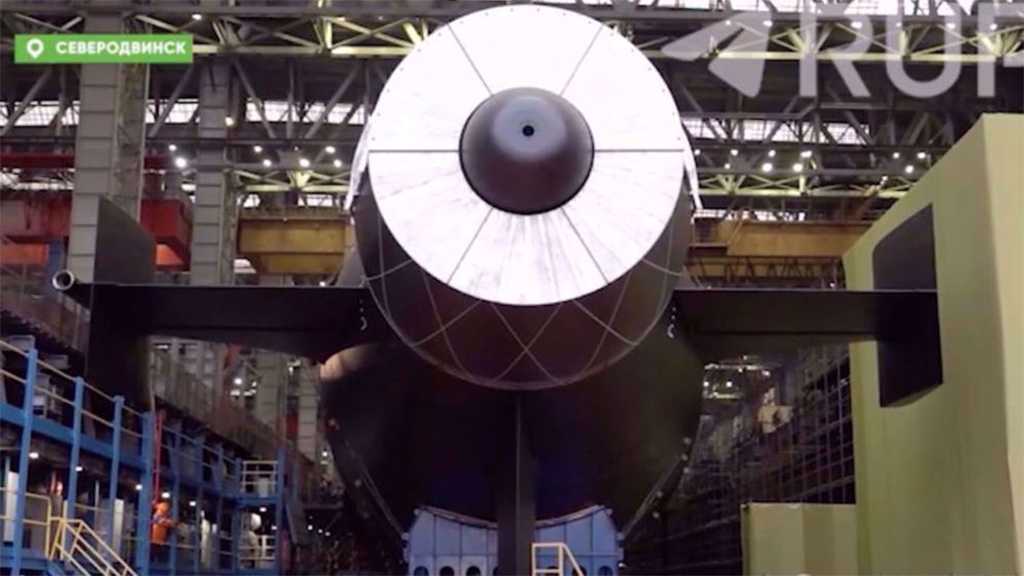
The drills included test launches of a Yars intercontinental ballistic missile, a Zircon hypersonic missile, and a Sineva submarine-launched ballistic missile, as well as operations involving a Borei-class nuclear submarine, Il-38 anti-submarine aircraft, and MiG-31 fighters armed with Kinzhal hypersonic missiles.
Russian President Vladimir Putin has repeatedly stated that nuclear weapons remain a measure of last resort, emphasizing that Russia's nuclear triad must continue to guarantee the sovereignty and security of the Union State of Russia and Belarus amid rising global tensions.
Comments
- Related News