- Home
- ISLAMIC RESISTANCE
- SECRETARY-GENERAL
-
Full Speeches
- Speeches-2000
- Speeches-2006
- Speeches-2007
- Speeches-2008
- Speeches-2009
- Speeches-2010
- Speeches-2011
- Speeches-2012
- Speeches-2013
- Speeches-2014
- Speeches-2015
- Speeches-2016
- Speeches-2017
- Speeches-2018
- Speeches-2019
- Speeches-2020
- Speeches-2021
- Speeches-2022
- Speeches-2023
- Speeches-2024
- Speeches-2025
- Speeches-2026
- Speech-Reports
- SG
-
Full Speeches
- Voices
- Ten Day Dawn
- The Biggest Crime
- Martyr Leaders

Trump: Iran Talks Enter Critical Final Stage to Avert Escalation
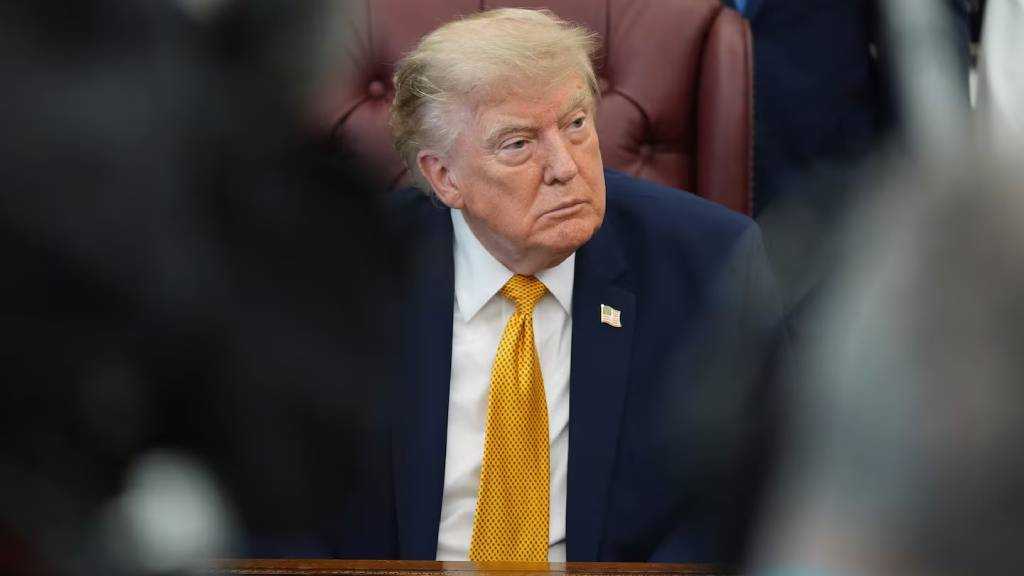
By Staff, Agencies
US President Donald Trump said on Monday that fresh talks with Iran represent a “last chance” to reach an agreement and prevent further escalation.
He said negotiations could begin within days, focusing first on reopening the Strait of Hormuz and then addressing Washington’s concerns over Iran’s nuclear program.
Trump said the first stage would involve “the opening of the straits,” followed by “denuclearisation,” adding that the second phase would require more time.
Meanwhile, Iran has reportedly been discussing a temporary shipping route with Oman but has not resumed negotiations with Washington.
Trump also claimed he postponed what he called the largest strike against a country “since World War II” after Saudi Crown Prince Mohammed bin Salman urged diplomacy.
He said the pause depended on Iran quickly reaching a deal, marking what the 12th time threatened US strikes had been called off.
Meanwhile, discussions continue over a temporary maritime corridor through the strait. Iran and Oman could establish a joint company to provide shipping services at lower costs, as Tehran seeks a greater role in managing the waterway.
The proposed route is also linked to broader agreements under the 18 June ceasefire memorandum, with disputes over its implementation contributing to renewed tensions extending to the Red Sea and Iraq.
Iran has called for a temporary north-side corridor through the strait, rejecting equal division of routes and third-party demining. Foreign Ministry spokesperson Esmail Baghaei said the proposed route would remain in place until a permanent arrangement is reached, but warned broader issues, including the US naval blockade, must be addressed.
Amid the negotiations, concerns grew that European-backed mine-clearing efforts on a southern route could escalate tensions with Iran. Tehran has maintained that external involvement in the strait’s management could threaten its sovereignty and security interests.
At the same time, Iran’s Assembly of Experts warned against placing trust in Washington, saying that seeking an agreement with “this bullying regime” would lead nowhere. President Masoud Pezeshkian, however, said the memorandum of understanding could become a central pillar of Iran’s future foreign relations.
Saudi Arabia’s involvement came as tensions increased with Iran-aligned forces in Iraq and Yemen, highlighting Riyadh’s concerns over a wider regional escalation involving Iran and its allies.
Comments
- Related News
US Military Faces Strain as Iran War Continues
21 hours ago