- Home
- ISLAMIC RESISTANCE
- SECRETARY-GENERAL
-
Full Speeches
- Speeches-2000
- Speeches-2006
- Speeches-2007
- Speeches-2008
- Speeches-2009
- Speeches-2010
- Speeches-2011
- Speeches-2012
- Speeches-2013
- Speeches-2014
- Speeches-2015
- Speeches-2016
- Speeches-2017
- Speeches-2018
- Speeches-2019
- Speeches-2020
- Speeches-2021
- Speeches-2022
- Speeches-2023
- Speeches-2024
- Speeches-2025
- Speeches-2026
- Speech-Reports
- SG
-
Full Speeches
- Voices
- Ten Day Dawn
- The Biggest Crime
- Martyr Leaders

AP: US Troops Face Lasting Brain Injury Risks From Iran Conflict
By Staff, Agencies
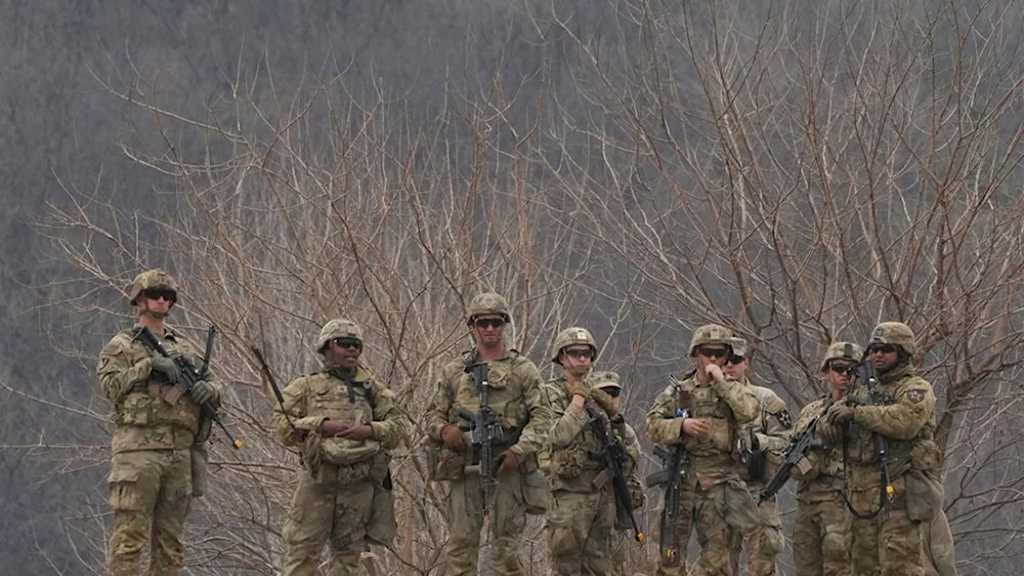
The latest escalation of the US war on Iran has renewed concerns over the long-term health consequences facing American troops exposed to drone and missile attacks, with traumatic brain injuries (TBIs) emerging as one of the conflict's most significant battlefield injuries, according to the Associated Press.
The report said nearly 700 US service members have been wounded during attacks on American positions across West Asia and in other combat operations.
Military officials said most sustained traumatic brain injuries and later returned to active duty.
The Pentagon has described many of the cases as "minor concussions," but medical experts and veterans warned that blast-related brain injuries can have lasting effects that may not appear until years later, potentially impairing memory, balance, and everyday functioning.
The Associated Press highlighted the case of Marine veteran Joe Shearer, who survived two blast incidents while serving in Iraq in 2005.
The first involved a mortar explosion that knocked him to the ground and caused vomiting, while a later roadside bomb attack subjected him to another powerful blast wave.
Despite suffering headaches and other symptoms, Shearer continued his missions.
"As long as you got back up and could go back on patrol, that's kind of what you did," he told the Associated Press.
Years later, he was diagnosed with traumatic brain injuries linked to the explosions. He continues to experience migraines, dizziness, memory problems, and difficulty carrying out everyday tasks.
According to the report, the war on Iran has renewed attention to blast-related brain injuries as US forces face a battlefield increasingly dominated by drones and missiles, whose blast waves can affect troops even without direct physical impact.
Unlike the roadside bombs and improvised explosive devices that characterized the wars in Iraq and Afghanistan, the report said drone warfare presents new challenges in understanding how repeated blast exposure affects the human brain over the long term.
Comments
- Related News
US Military Faces Strain as Iran War Continues
20 hours ago