- Home
- ISLAMIC RESISTANCE
- SECRETARY-GENERAL
-
Full Speeches
- Speeches-2000
- Speeches-2006
- Speeches-2007
- Speeches-2008
- Speeches-2009
- Speeches-2010
- Speeches-2011
- Speeches-2012
- Speeches-2013
- Speeches-2014
- Speeches-2015
- Speeches-2016
- Speeches-2017
- Speeches-2018
- Speeches-2019
- Speeches-2020
- Speeches-2021
- Speeches-2022
- Speeches-2023
- Speeches-2024
- Speeches-2025
- Speeches-2026
- Speech-Reports
- SG
-
Full Speeches
- Voices
- Ten Day Dawn
- The Biggest Crime
- Martyr Leaders

Kenyan Veterinarians Urge Produce Tests After Elephant Deaths
By Staff, Agencies
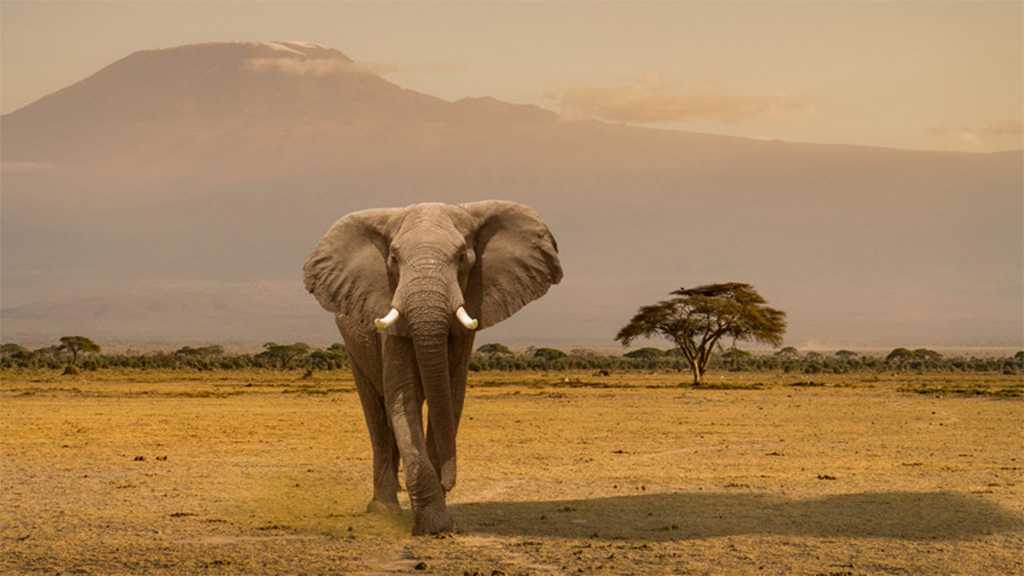
Kenya's main veterinary body has called for urgent testing of agricultural produce from areas surrounding Amboseli National Park after preliminary findings linked the deaths of 15 elephants to suspected cyanide poisoning.
The Kenya Veterinary Association (KVA) said the incident could have implications beyond wildlife conservation after tomatoes were reportedly found in the elephants' stomachs.
According to the Kenya Wildlife Service (KWS), the elephants are believed to have consumed contaminated produce from farms in the Kimana Sanctuary and Kuku Group Ranch areas.
Preliminary tests detected cyanide, although the exact source of the chemical has not yet been identified.
"If cyanide-laced tomatoes are potent enough to drop a herd of elephants, what happens when this same crop reaches local markets and Kenyan dinner tables?" the KVA said.
The association urged Kenya's agriculture and health ministries to inspect and test tomatoes and other produce from the Kimana area to determine whether contaminated food may have entered local supply chains.
It also called for a multi-agency investigation into how the cyanide entered the environment and who was responsible.
Kimana, located near Amboseli National Park, is a major agricultural area producing tomatoes, onions, and French beans for markets including the capital, Nairobi. Local farmers have rejected suggestions that cyanide is used in routine farming practices.
The KVA also linked the incident to growing human-wildlife conflict around Amboseli, where expanding farmland has increasingly overlapped with elephant migration routes.
The association called for improved land-use planning, protected wildlife corridors, and non-lethal measures to prevent elephants from entering farmland.
Crop damage caused by elephants has remained a persistent source of tension in Kenya.
In July, the Kenya Wildlife Service relocated five elephants from Mwea National Reserve after repeated incursions into nearby farms, while in April 2025 more than 20 elephants from Rimoi Game Reserve destroyed hundreds of mango and papaya trees on a neighboring fruit farm.
Comments
- Related News