Pezeshkian: Iran Open to Dialogue but Will Not Surrender Sovereignty or Defense Capabilities
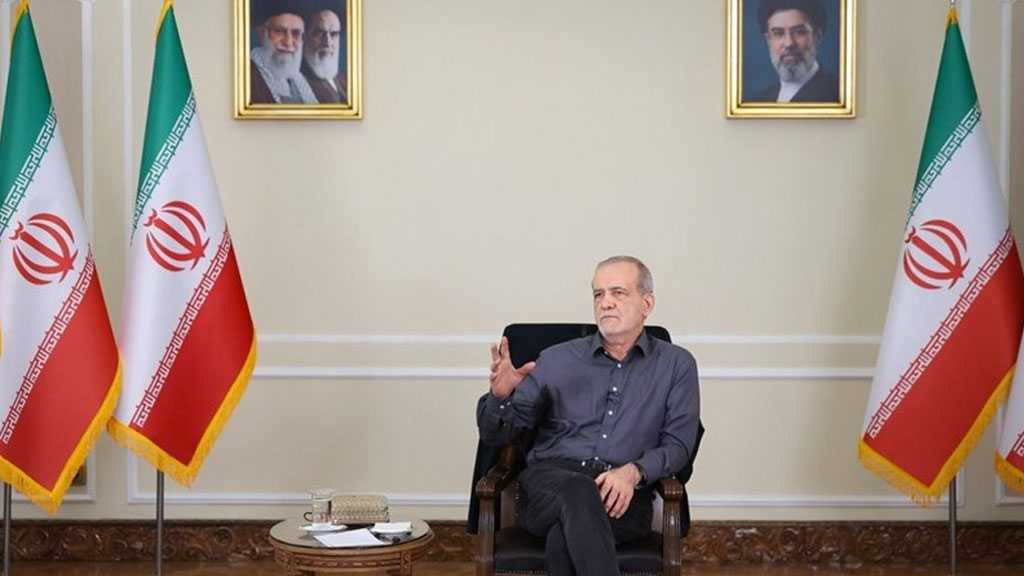
By Staff, Agencies
Iranian President Masoud Pezeshkian has defended Tehran’s diplomatic engagement with the United States and Europe, saying Iran remains open to dialogue but will not compromise its sovereignty, national interests, or defensive capabilities.
In the final part of an extensive address to the Iranian public, Pezeshkian said Iran did not initiate the war and argued that Tehran’s decision to pursue negotiations was driven by the need to protect national interests and avoid unnecessary conflict.
He rejected claims that his administration had pressured Iran’s leadership into accepting negotiations, saying major decisions were made with the approval and coordination of the country’s leadership.
Pezeshkian also said Iran had reached understandings with European representatives during diplomatic efforts to resolve outstanding disputes but accused European governments of ultimately failing to act independently. He said European countries later pursued the snapback mechanism despite understandings that had previously been reached during negotiations.
The Iranian president argued that diplomacy and military strength were not mutually exclusive. He said negotiations could serve Iran’s interests when they helped secure the country’s rights, but stressed that Tehran would not agree to dismantle its military or defensive capabilities.
Pezeshkian warned that Iran’s adversaries were seeking to weaken its defenses and leave the country vulnerable to a fate similar to Gaza. Iran, he emphasized, would not surrender its military capabilities or submit to external pressure.
He also said Iran had no intention of attacking other countries, seizing territory, or expanding its borders. Tehran’s objective, he said, was peaceful coexistence with neighboring states. He contrasted this approach with what he described as the territorial expansion ambitions of the “Israeli” entity.
Pezeshkian defended a diplomatic understanding reached following the conflict, saying Iran had achieved important results without making unacceptable concessions.
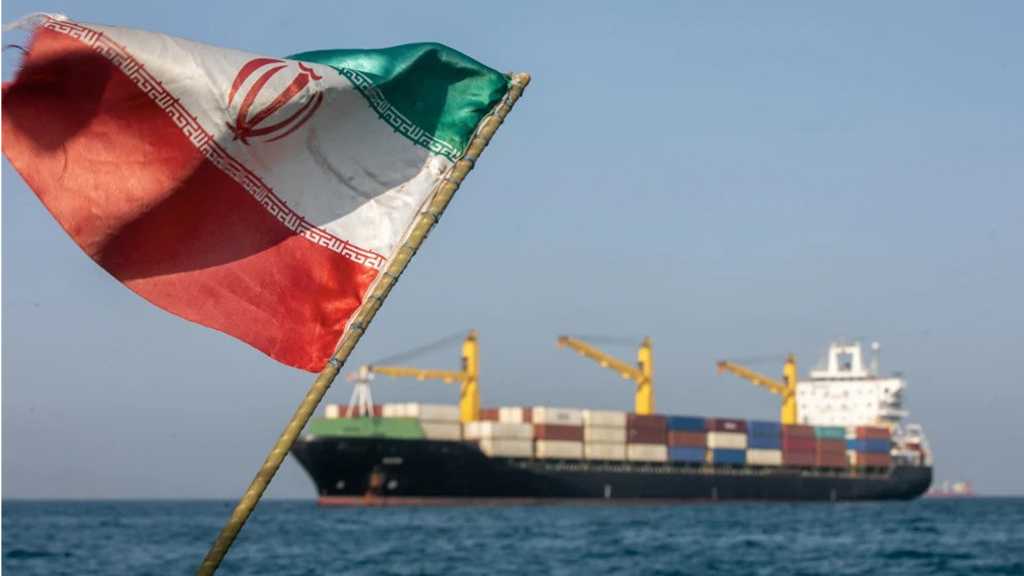
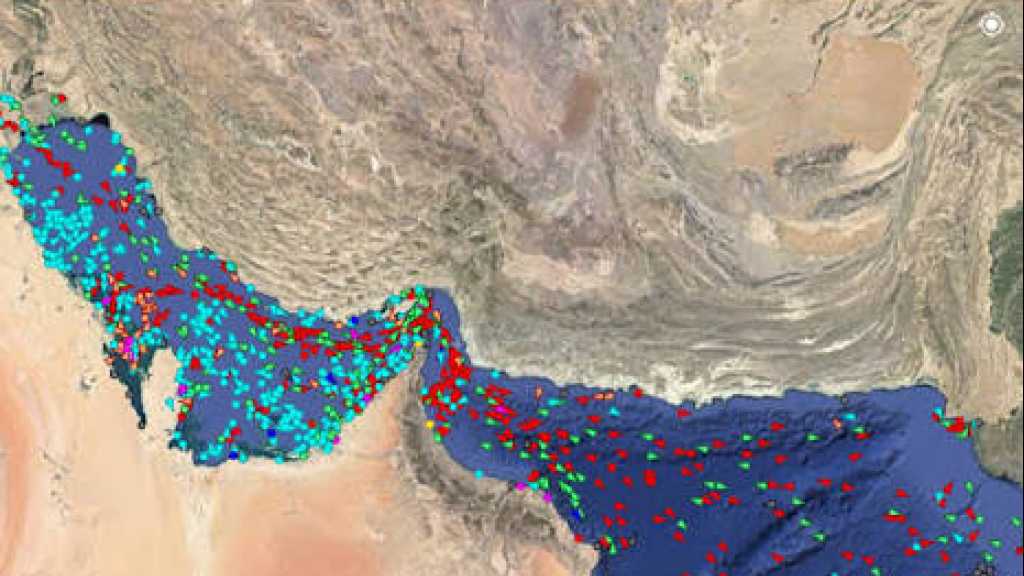
Among the issues addressed, he said, was the Strait of Hormuz. Under the understanding, Iran agreed to allow vessels to pass through the waterway in accordance with its regulations, while the other side was expected to fulfill its own commitments.
Discussing relations with neighboring countries, Pezeshkian said Iran had resolved many longstanding disputes and significantly improved ties across the region. He warned that the “Israeli” regime and the United States were attempting to bring Persian Gulf states together against Iran, adding that Tehran was working to prevent such a development.
He stressed that Iran considers Muslim countries to be brothers and questioned why Muslim states should become involved in conflicts against one another. He also warned that internal divisions could be exploited by outside powers seeking to weaken the region.
Pezeshkian rejected reports of disagreements between his government, the diplomatic establishment, and Iran’s armed forces over negotiations and the conflict. He said major decisions had been made through the country’s established national security institutions and had received the support of military and security officials.
“The government is completely coordinated with the military forces,” he said, adding that supporting the armed forces was a responsibility for government officials.
He also denied reports of disagreements between the government and military commanders regarding the diplomatic understanding.
The Iranian president further dismissed claims of differences between himself and Iran’s Leader, saying his administration had consistently followed the Leader’s policies.
Pezeshkian concluded by stressing the importance of unity among Iran’s political, security, and military institutions, arguing that cohesion was essential for the country to withstand external pressure and navigate its current regional and international challenges.