Trump Claims US Took Venezuela’s Oil as Revenue Questions Mount
By Staff, Agencies
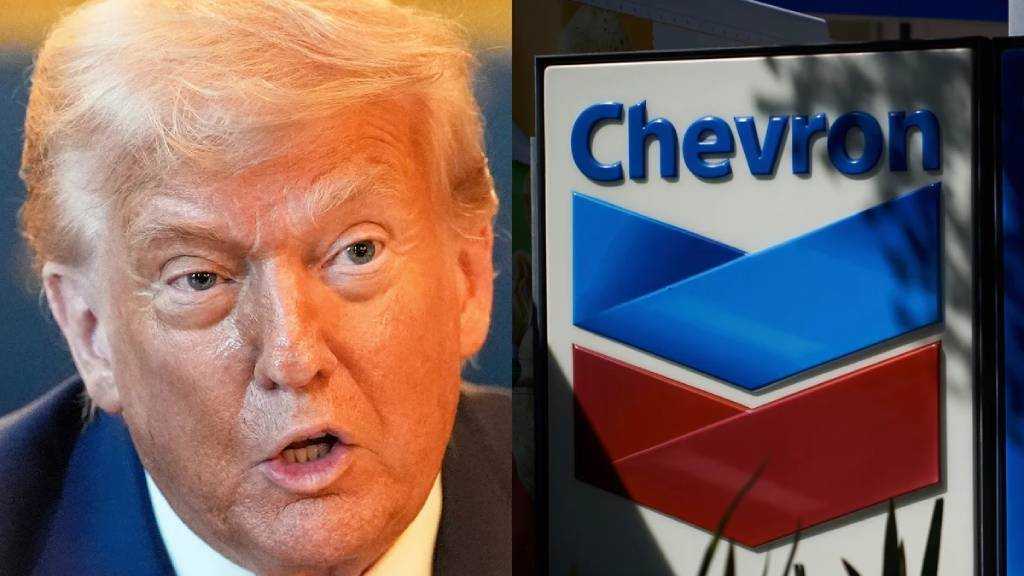
US President Donald Trump has claimed the United States effectively took Venezuela’s oil following its military operation there earlier this year, while the arrangements governing the revenues remain largely undisclosed.
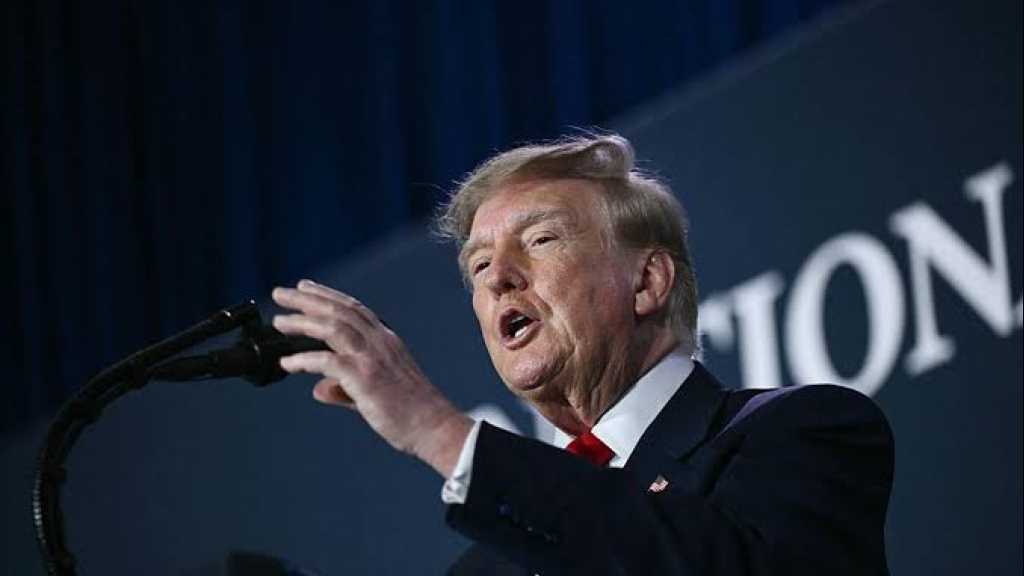
Speaking in Las Vegas on Wednesday, Trump said the operation lasted “48 minutes” and claimed Washington had paid for it many times over through what it took from Venezuela.
The remarks contrast with earlier explanations from senior US officials, who said Washington was overseeing Venezuelan oil revenues rather than owning or directing them.
According to reports, following the US abduction of Venezuelan President Nicolas Maduro on January 3, 2026, Caracas and the Trump administration agreed to place revenues from sanctioned Venezuelan oil in accounts under US Treasury “custody.”
While the funds formally remain Venezuelan property, US officials exercise practical control over them. Under the arrangement, Washington granted sanctions exemptions and protections against US legal claims, while Venezuela deposited oil revenues into US-supervised accounts.
US Treasury Secretary Scott Bessent described Washington as acting as a banker, while Secretary of State Marco Rubio said the oil belonged to the Venezuelan people.
Initially, the revenues were held in a Qatari account. Rubio said the mechanism would allow Caracas to submit monthly budgets outlining its funding needs.
The arrangement later moved to a Citibank account controlled by the US Treasury after $500 million passed through the Qatari account. US officials said the move offered additional safeguards against Venezuelan creditors freezing the funds.
In April, the US State Department and Venezuelan government said external auditors had been hired, while Rubio said in June that expenditures would undergo continuous auditing. Venezuela also launched a “Transparent Sovereignty” website to publish oil transaction data.
Despite those commitments, major questions remain over the money’s flow and use.
The US State Department has not publicly released the agreements governing the arrangement or audit results, while Venezuela’s transparency website has listed only one transaction — a $300 million fuel-oil sale in March.
The Financial Times estimated in July that Venezuela had sold more than $13 billion in oil under the arrangement, while Trump later indicated the figure was higher.
The Trump administration had pledged quarterly audit reports, but none had been provided to Democrats on the House Foreign Affairs Committee by July 22, according to the Financial Times. House Oversight Committee Democrats subsequently sought further information.
Concerns have also emerged among some Republicans who supported the operation. Representative Maria Elvira Salazar said Congress had yet to receive the promised audit reports six months later.
Meanwhile, the administration says the revenues are being used for purposes including paying Venezuelan government employees. Caracas’s website says proceeds from the $300 million fuel-oil sale helped finance an April increase in the minimum wage. Without publicly available documentation tracing the funds, however, those claims remain difficult to independently verify.
The Venezuelan arrangement echoes Washington’s earlier control over another country’s oil revenues. Following the 2003 invasion of Iraq, the US redirected Iraqi oil revenues — which accounted for around 90% of the state budget — to the Federal Reserve Bank of New York.
US officials later threatened Iraq’s access to the account, including during the first Trump administration when Baghdad sought the withdrawal of US troops in 2020.
Reuters also reported that US officials privately threatened to restrict Iraq’s oil revenues following its November 2025 elections, warning that funds could be cut off if political parties appointed figures Washington deemed unacceptable.
Against this backdrop, Trump has suggested extending similar arrangements amid the unfolding war in West Asia. During his Las Vegas speech, he referred to Iran, saying the US was doing “the same thing” there.