Report: Washington’s Reaper Fleet Suffers Major Losses During Iran War
By Staff, Agencies
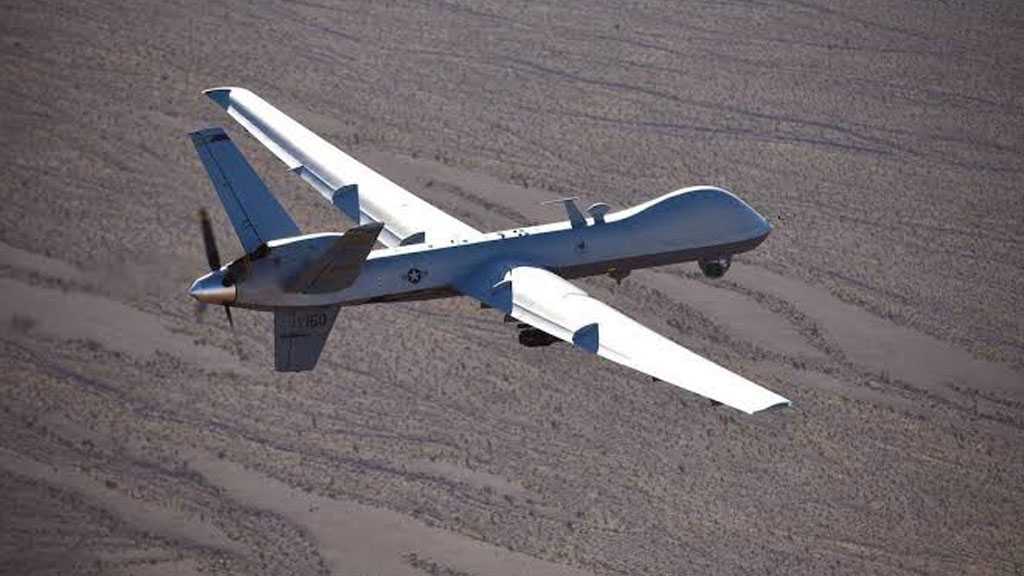
The US military lost 45 MQ-9 Reaper drones during its war on Iran, representing roughly a quarter of its entire fleet of the reconnaissance and strike aircraft, The Washington Post has reported. The losses are estimated to have cost US taxpayers around $1.3 billion.
The figures were reported by the Post on Thursday, citing three unnamed US officials. A fourth official said that not all of the drones were shot down, with some crashing after losing communication with their operators.
The MQ-9 Reaper, successor to the MQ-1 Predator, is a medium-altitude, long-endurance drone capable of remaining airborne for up to 30 hours while conducting surveillance missions or carrying out targeted strikes with Hellfire missiles.
Each aircraft costs an estimated $30 million to $50 million. Before the US-”Israeli” war against Iran began on February 28, the US military reportedly had around 185 Reapers, including 165 operated by the Air Force and another 20 belonging to the Marine Corps.
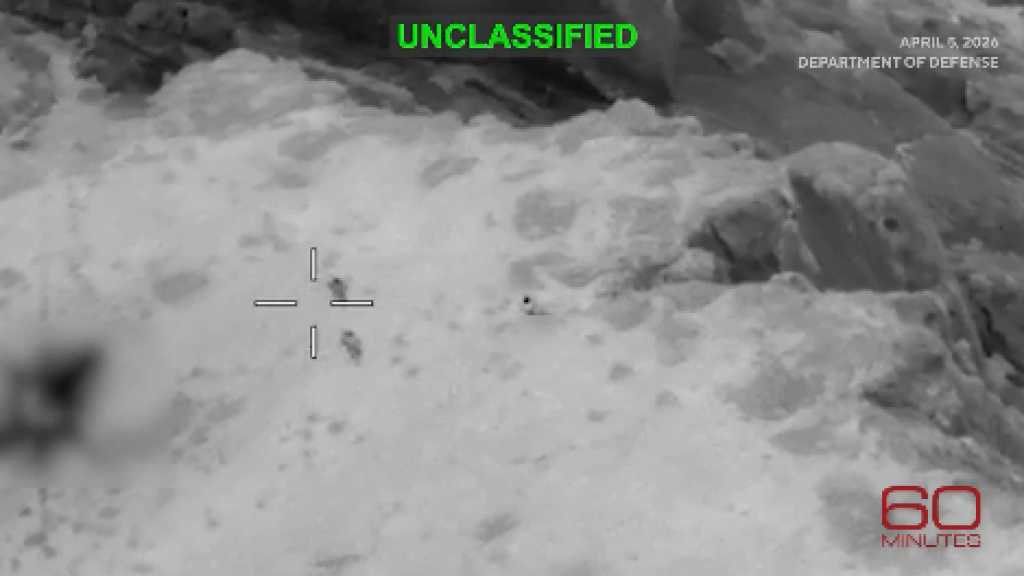
Within hours of the conflict’s outbreak, reports began circulating on Iranian Telegram channels claiming that Reapers had been downed. Video footage subsequently emerged, with the Iranian military claiming to have shot down multiple MQ-9s during flight and destroyed additional drones while they were stationed at US bases across the Persian Gulf region.
By the time Washington and Tehran reached a tentative ceasefire on April 9, preliminary reports in US media indicated that Iranian forces had shot down roughly two dozen Reapers.
If the Washington Post figures are accurate, those initial reports would have underestimated the losses by almost half.
The MQ-9 Reaper entered service with the US Air Force in 2007 and was extensively deployed in Iraq and Afghanistan, as well as in US military operations in Pakistan, Somalia, Yemen and elsewhere.
The drone became closely associated with former President Barack Obama’s drone warfare campaign and was for years regarded as difficult to challenge. That perception was shaken in 2017, when Ansarullah forces in Yemen succeeded in bringing down a Reaper using a Soviet-era anti-aircraft missile.
A series of subsequent losses further exposed the vulnerability of the aircraft, and by the time the United States and “Israel” began striking Iran in February, the Reaper was increasingly viewed as vulnerable and ineffective against militaries equipped with capable air-defense systems.
Despite the losses, the United States currently lacks an immediate replacement for the Reaper. General Atomics ended production of the aircraft in 2020, while the Pentagon is not expected to begin selecting a successor until later this year.
The Senate Armed Services Committee has recommended restarting MQ-9 production. Air Force Deputy Chief of Staff David Tabor also told a Senate hearing in June that the Pentagon was “looking at options to buy back as many of the MQ-9As as we possibly can” from US allies.
The Reaper losses are reportedly part of a broader depletion of US weapons stocks during the conflict with Iran. The United States has reportedly used more than half of its Patriot and approximately 80% of its THAAD interceptor missiles, along with around one-third of its Tomahawk cruise missiles, since February 28.
US President Donald Trump has rejected claims that the country is facing a missile shortage. However, his administration has requested $87.6 billion from Congress to address what it described as “urgent needs” related to the war, including $21 billion for munitions.