- Home
- ISLAMIC RESISTANCE
- SECRETARY-GENERAL
-
Full Speeches
- Speeches-2000
- Speeches-2006
- Speeches-2007
- Speeches-2008
- Speeches-2009
- Speeches-2010
- Speeches-2011
- Speeches-2012
- Speeches-2013
- Speeches-2014
- Speeches-2015
- Speeches-2016
- Speeches-2017
- Speeches-2018
- Speeches-2019
- Speeches-2020
- Speeches-2021
- Speeches-2022
- Speeches-2023
- Speeches-2024
- Speeches-2025
- Speeches-2026
- Speech-Reports
- SG
-
Full Speeches
- Voices
- Ten Day Dawn
- The Biggest Crime
- Martyr Leaders

Iran Reiterates Control Over Strait of Hormuz
By Staff, Agencies
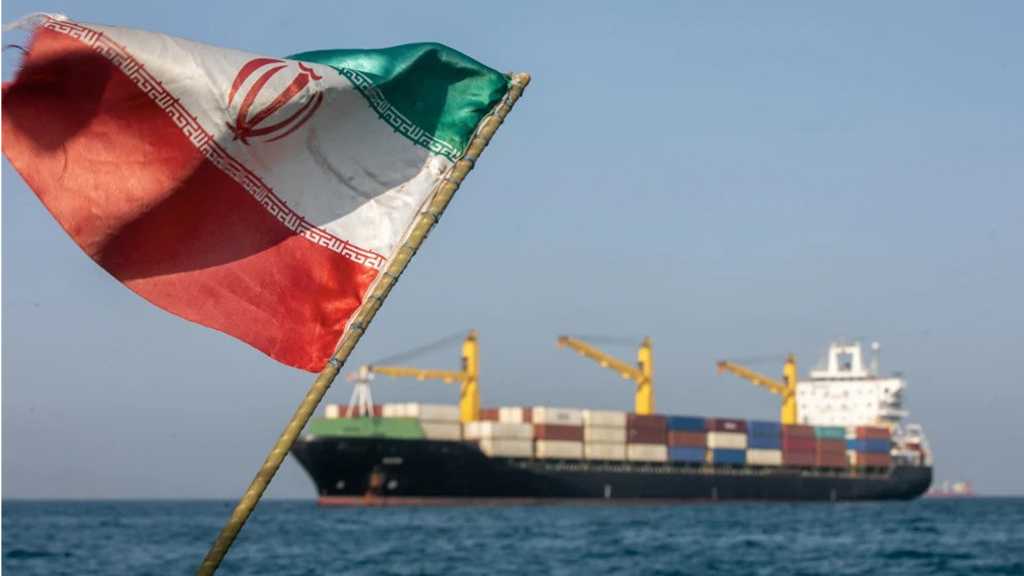
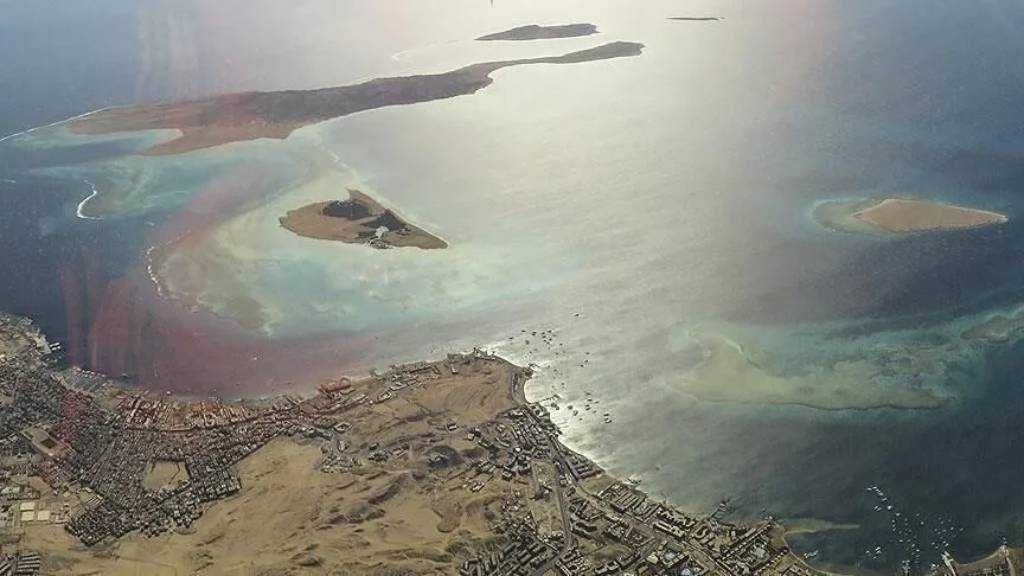
Iranian Deputy Foreign Minister for Legal and International Affairs Kazem Gharibabadi on Saturday rejected US President Donald Trump’s remarks on the Strait of Hormuz, stressing that the strategic waterway cannot be seized through a social media post, an aircraft carrier, or a speech.
Gharibabadi said Iran does not fear threats or displays of force, stressing that such moves would not intimidate Tehran.
He urged Washington to accept what he described as its “heavy and strategic defeats,” asserting that the Strait “was Iranian, is Iranian now, and will remain Iranian.”
He added that the waterway would only be opened or closed on Iran’s orders, warning that Tehran would maintain its blockade as long as Washington refuses to acknowledge the reality of its defeat.
Trump had said he would “pretty soon” declare the Strait of Hormuz “a territory of the United States,” while claiming Iran was suffering a major defeat and that Washington would prevent Tehran from obtaining a nuclear weapon.
Speaking at a political rally in New York State, Trump also said the US naval blockade of Iran was continuing and that no ships would pass without American permission, describing it as a “wall of steel.” He praised US military aggression in the region and claimed the blockade could not be stopped.
Meanwhile, Iran’s Khatam al-Anbiya Central Headquarters reaffirmed that the Strait remains under Iranian control, rejecting US claims that maritime traffic has returned to normal.
The headquarters said Washington’s claims were an attempt to project control that has not materialized on the ground, describing assertions of normal vessel passage as “lies and fabrications.”
It stressed that the conditions governing passage through the Strait remain unchanged and that the Islamic Republic continues to determine how ships may cross, affirming that the waterway remains under Iran’s “full management and control.”
Comments
- Related News