- Home
- ISLAMIC RESISTANCE
- SECRETARY-GENERAL
-
Full Speeches
- Speeches-2000
- Speeches-2006
- Speeches-2007
- Speeches-2008
- Speeches-2009
- Speeches-2010
- Speeches-2011
- Speeches-2012
- Speeches-2013
- Speeches-2014
- Speeches-2015
- Speeches-2016
- Speeches-2017
- Speeches-2018
- Speeches-2019
- Speeches-2020
- Speeches-2021
- Speeches-2022
- Speeches-2023
- Speeches-2024
- Speeches-2025
- Speeches-2026
- Speech-Reports
- SG
-
Full Speeches
- Voices
- Ten Day Dawn
- The Biggest Crime
- Martyr Leaders

Qalibaf: Iran Threatened Immediate Strike and Regional Escalation After Dahiyeh Assault
By Staff, Agencies
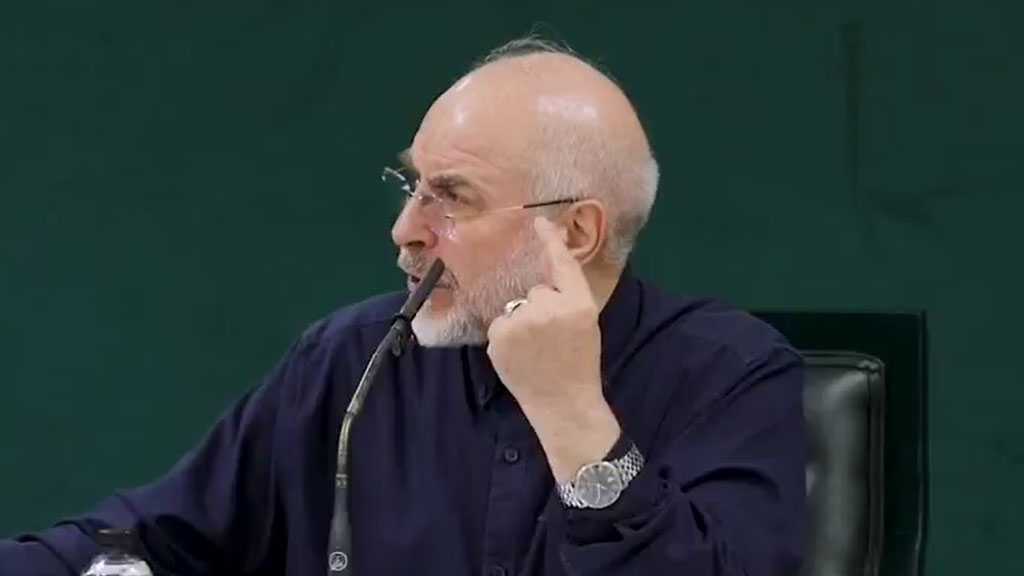
Iranian Parliament Speaker Mohammad Baqer Qalibaf says Tehran suspended negotiations following the latest “Israeli” attack on Beirut’s Dahiyeh and warned that Iran would respond immediately, with the possibility of expanding its retaliation across the region.
Speaking at a gathering of cultural elites on Saturday, Qalibaf said, “In the latest attack on Dahiyeh, I halted the negotiations and announced: ‘Tonight, we will strike the regime, and if the regime responds, we will strike the entire region.’”
He said the warning produced an immediate result, stating that “the blockade was lifted that same night.”
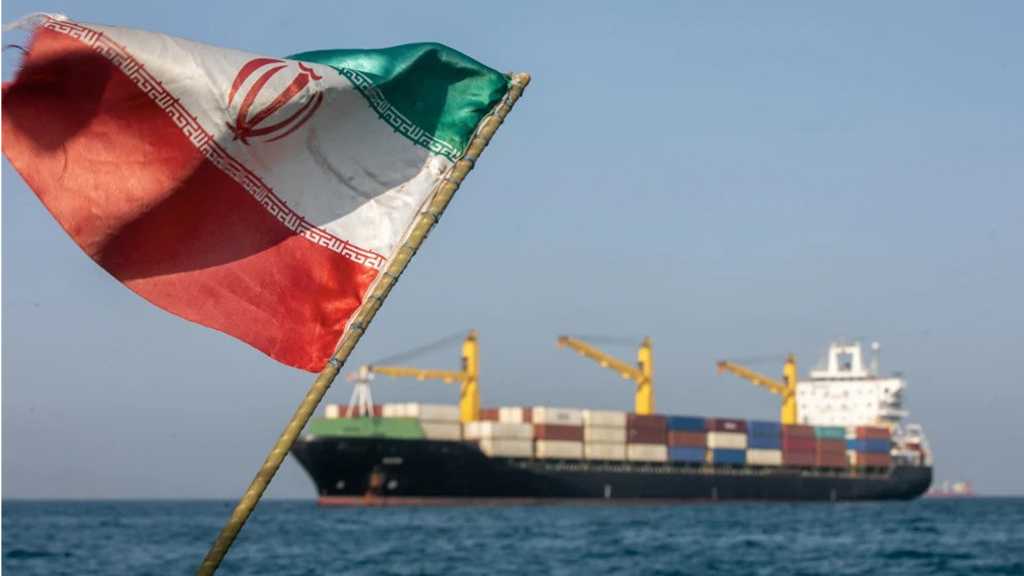
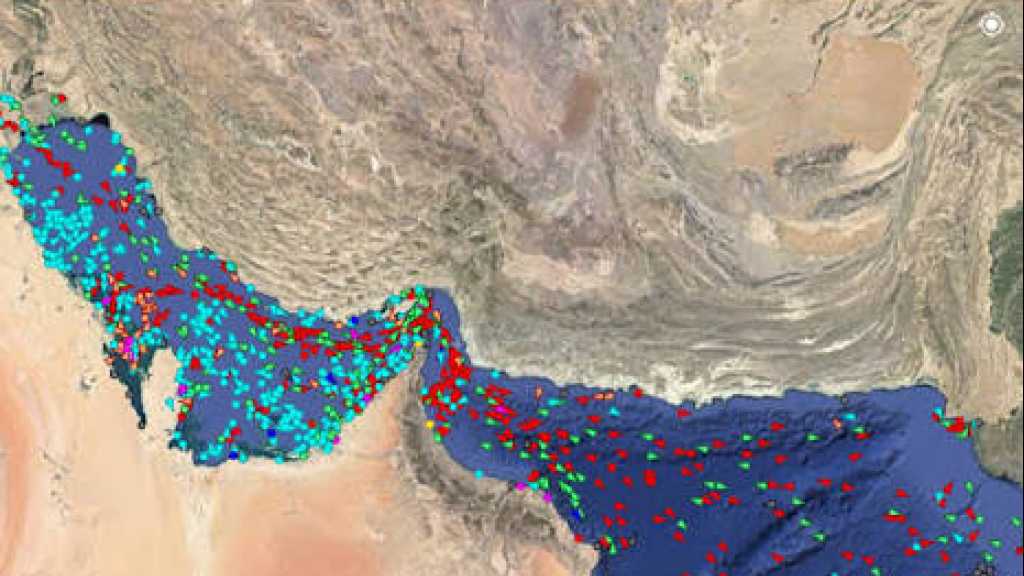
Qalibaf, who has been involved in negotiations with Washington, also discussed understandings concerning the Strait of Hormuz and said its reopening had been scheduled for a 30-day period under the agreement.
He said the situation changed after US President Donald Trump claimed on social media that the blockade and the Strait of Hormuz would be opened together “tonight.”
Qalibaf said he responded with a direct warning: “If the false claim about the Strait of Hormuz is not corrected, we will carry out an attack.”
According to the Iranian parliament speaker, Trump was subsequently forced to correct his post. Qalibaf described the episode as an example of “negotiating as a form of fighting,” emphasizing that Tehran had combined diplomatic engagement with a clear readiness to respond to threats.
He further noted that the Resistance Front and Lebanon were explicitly included in the first clause of the Memorandum of Understanding reached between Iran and the United States.
On July 17, Iran and the United States signed a 14-point Pakistan-brokered memorandum of understanding calling for a permanent cessation of hostilities across all fronts, including Lebanon. The agreement also calls for the removal of the naval blockade on Iran within 30 days and the restoration of commercial traffic through the Strait of Hormuz.
The developments come against the backdrop of the second US-“Israeli” war of aggression against Iran in less than a year, which began on February 28. According to Tehran, the aggression included the assassination of the Leader of the Islamic Revolution His Eminence Imam Sayyed Ali Khamenei along with several senior commanders and officials, with the stated objective of overthrowing the Islamic Republic.
Iran responded with a sustained military campaign against the aggressors. Forty days after the start of the war, the firm response of the Iranian Armed Forces forced the United States and “Israel” to agree to a ceasefire.
Qalibaf’s account underscores Tehran’s position that negotiations with Washington remain closely tied to developments on the ground, with Iran maintaining that diplomatic engagement cannot be separated from its readiness to respond decisively to any renewed aggression.
Comments
- Related News