- Home
- ISLAMIC RESISTANCE
- SECRETARY-GENERAL
-
Full Speeches
- Speeches-2000
- Speeches-2006
- Speeches-2007
- Speeches-2008
- Speeches-2009
- Speeches-2010
- Speeches-2011
- Speeches-2012
- Speeches-2013
- Speeches-2014
- Speeches-2015
- Speeches-2016
- Speeches-2017
- Speeches-2018
- Speeches-2019
- Speeches-2020
- Speeches-2021
- Speeches-2022
- Speeches-2023
- Speeches-2024
- Speeches-2025
- Speeches-2026
- Speech-Reports
- SG
-
Full Speeches
- Voices
- Ten Day Dawn
- The Biggest Crime
- Martyr Leaders

Trump Orders Major Cut to US-South Korea War Drills
By Staff, Agencies
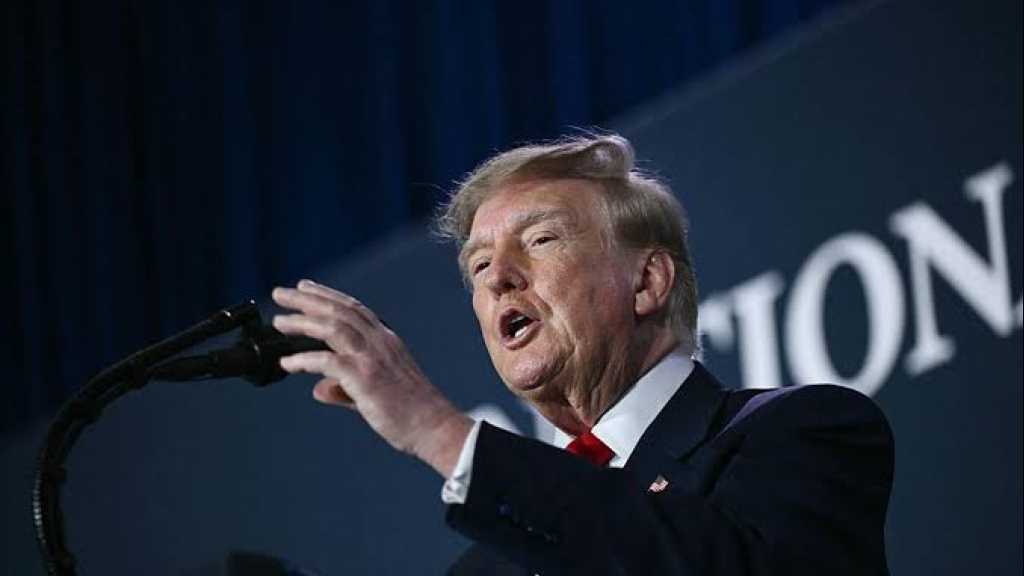
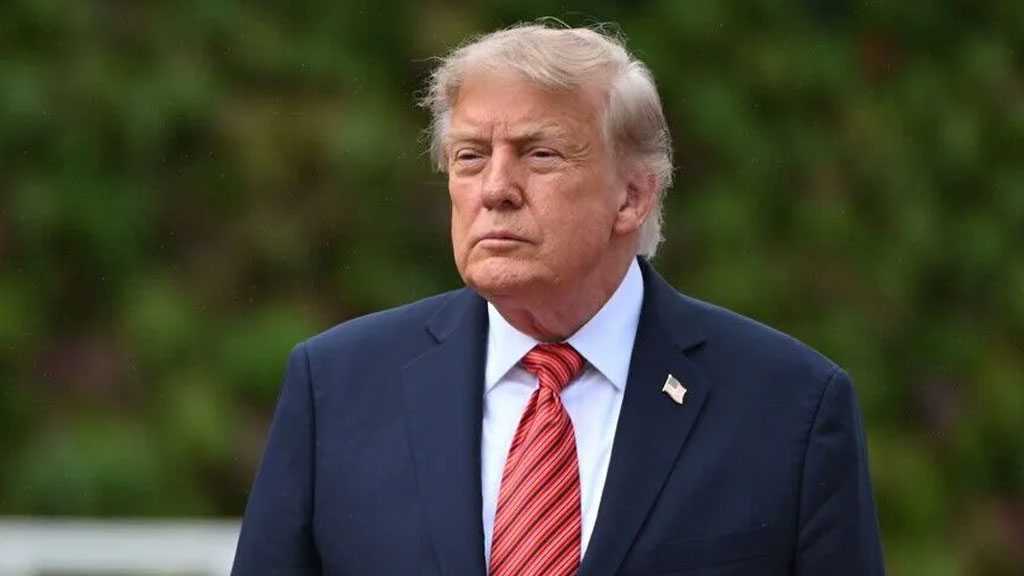
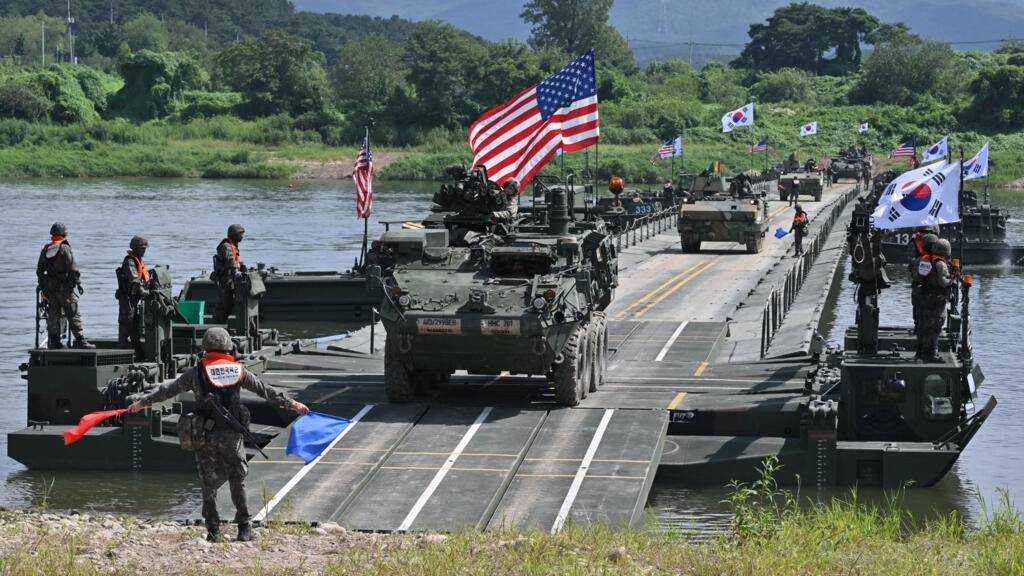
US President Donald Trump has ordered War Secretary Pete Hegseth to “substantially reduce” joint United States-South Korea military exercises, calling the drills costly and an “inappropriate and hostile” signal toward the Democratic People’s Republic of Korea [DPRK].
Trump made the announcement on Truth Social on Sunday, August 16, hours before the annual Ulchi Freedom Shield exercises were due to begin, citing his relationship with DPRK leader Kim Jong Un.
He said the exercises were costly, with the US covering much of the expense, and argued that they were inappropriate toward a DPRK he described as “unthreatening and respectful” toward Washington during his presidency.
Trump said it was too late to cancel the drills entirely but ordered Hegseth to substantially scale them back.
Despite the order, the Ulchi Freedom Shield exercises began Monday as scheduled, South Korea’s Joint Chiefs of Staff confirmed.
The drills will run from August 17 to 27 and involve around 18,000 South Korean troops, focusing on simulated DPRK attacks, drone warfare, cyberattacks, GPS disruption, missile threats and other asymmetric scenarios.
South Korea’s Joint Chiefs confirmed the exercises had started but declined to directly address Trump’s remarks, while the Pentagon referred questions about implementing the order to the White House. It remains unclear which parts of the drills will be reduced.
Trump’s move marks another shift in his approach to military exercises on the Korean Peninsula. During his first presidency, he suspended major US-South Korean drills in 2018 as diplomatic engagement with Kim intensified, repeatedly criticizing the exercises as expensive and provocative.
Although Trump and Kim held three summits, their negotiations failed to produce a final agreement. Trump has nevertheless continued to highlight his personal relationship with the DPRK leader as a possible basis for renewed diplomacy.
At the same time, Pyongyang continues to expand its nuclear and missile capabilities and deepen cooperation with China and Russia. It routinely condemns US-South Korean exercises as preparations for an invasion.
Trump also linked his decision to tensions with Seoul over the US aggression against Iran, saying he had asked South Korean President Lee Jae Myung whether Seoul wanted to join Washington in the “denuclearization” of Iran. According to Trump, Seoul declined.
Trump has repeatedly urged US allies to take a greater role in Washington’s war against Iran, including supporting naval operations after the aggression led to the closure of the Strait of Hormuz.
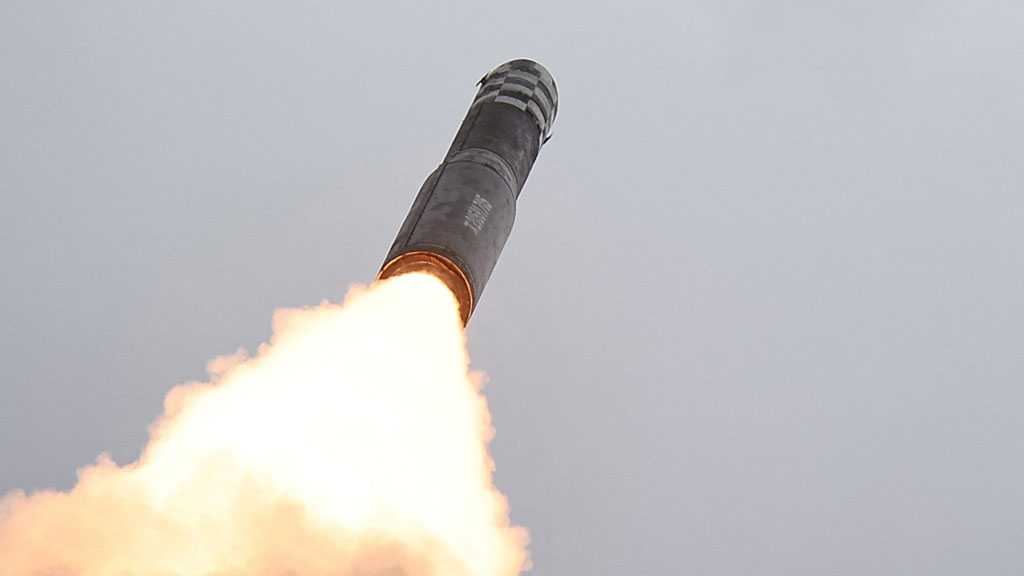
Meanwhile, the DPRK continues to advance its military capabilities. Pyongyang launched a ballistic missile toward the East Sea last week, following another short-range ballistic missile launch on August 6.
US military officials have also said DPRK forces have gained battlefield experience through military cooperation with Russia, including exposure to drones, electronic warfare and cyber operations.
US Northern Command Official Lieutenant General Joseph Jarrard recently said the DPRK has successfully tested intercontinental ballistic missiles with sufficient range to deliver a nuclear payload anywhere in North America.
Comments
- Related News