Journalist Shot by ICE Remains Detained Nearly 300 Days
By Staff, Agencies
Nearly 300 days after being shot and detained by Immigration and Customs Enforcement [ICE], Los Angeles-based journalist Carlitos Ricardo Parias remains held at a California detention facility, where he says he has endured cockroaches in his cell, worm-like organisms in his drinking water and inadequate treatment for a gunshot wound that has left his arm turning purple.
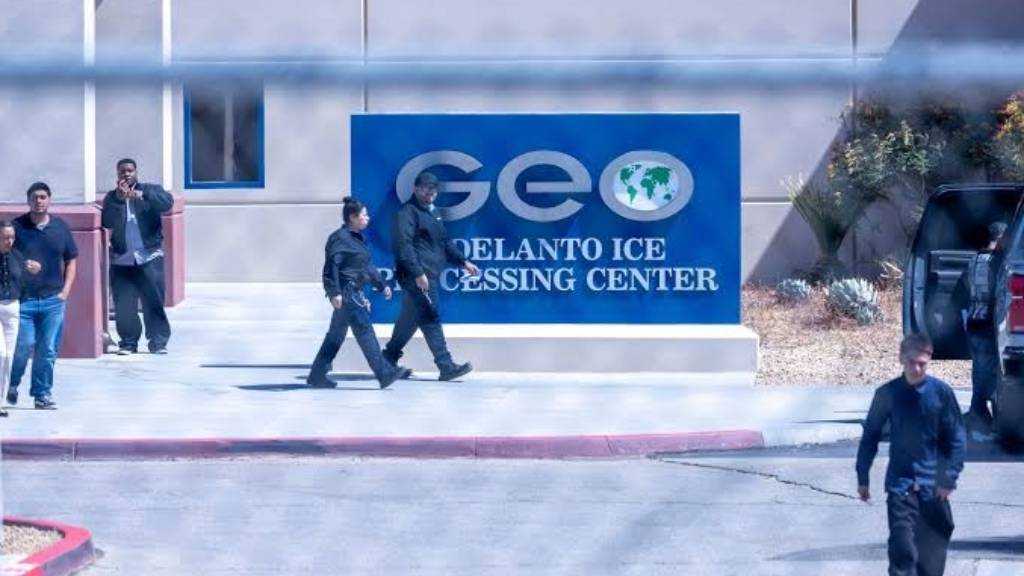
Parias was shot by federal agents last October and detained in Adelanto. According to reporting by The Intercept, his case reflects a troubling sequence of violence, prosecution, imprisonment and alleged medical neglect by the US government.
His detention has surpassed the known records of several US journalists jailed while protecting confidential sources, including Judith Miller, Vanessa Leggett and Josh Wolf. Parias has now spent longer in US custody than Wolf, who was imprisoned for 226 days. Emmy-winning journalist Mario Guevara also spent more than 100 days in immigration detention last year before being deported.
Before the immigration enforcement surge, Parias had built a following of more than 100,000 TikTok users under the name Richard Noticias LA, independently covering crime in California communities often overlooked by major outlets. The Los Angeles City Council later recognized his work.
On June 13, 2025, Parias went to a South Los Angeles immigration raid to report on the operation. Witnesses said a federal agent struck him with a vehicle before agents handcuffed him and left him injured on a sidewalk. Video showed him crying out in pain, while agents provided no medical assistance. A bystander eventually took him to a hospital.
Four months later, federal agents surrounded Parias’ car near downtown Los Angeles. Bodycam footage showed agents breaking a window as Parias pressed the accelerator, but his vehicle was boxed in by several SUVs. An agent then fired his weapon, striking Parias in the elbow. A US marshal was also wounded.
After the shooting, federal agents obtained surveillance footage from a nearby strip mall, copied it to a thumb drive and deleted the original recording. Prosecutors later charged Parias with assaulting a federal officer, presenting an account that omitted key elements of the confrontation and relying publicly on a single screenshot from the footage.
Parias was released from hospital care while still taking morphine and transferred to federal detention. During his first hearing, a judge discovered that he was not receiving the medication prescribed for his gunshot wound. When the judge asked a marshal to expedite his transfer for treatment, the request was refused.
Parias was later offered bond in the criminal case but declined because it would have resulted in his immediate transfer to immigration custody. He was transferred anyway. As bystander videos increasingly challenged the government’s account, a judge ultimately dismissed all criminal charges with prejudice, finding that the government had violated Parias’ constitutional rights.
His deportation proceedings remain ongoing, and he continues to be held in Adelanto.
Despite his detention, Parias has continued reporting through journalists and visitors, highlighting cockroaches, contaminated drinking water and inadequate treatment for his gunshot wound.
Rep. Sydney Kamlager-Dove, who visited him in May, said his arm appeared close to requiring amputation. The government plans to transfer him to a San Diego facility for treatment, farther from his family and attorneys and potentially cutting off his reporting from Adelanto.
His case has raised broader concerns over press freedom and constitutional rights in the US.