- Home
- ISLAMIC RESISTANCE
- SECRETARY-GENERAL
-
Full Speeches
- Speeches-2000
- Speeches-2006
- Speeches-2007
- Speeches-2008
- Speeches-2009
- Speeches-2010
- Speeches-2011
- Speeches-2012
- Speeches-2013
- Speeches-2014
- Speeches-2015
- Speeches-2016
- Speeches-2017
- Speeches-2018
- Speeches-2019
- Speeches-2020
- Speeches-2021
- Speeches-2022
- Speeches-2023
- Speeches-2024
- Speeches-2025
- Speeches-2026
- Speech-Reports
- SG
-
Full Speeches
- Voices
- Ten Day Dawn
- The Biggest Crime
- Martyr Leaders

US Iran War Strains Weapons Stockpiles, Raises Concerns in Asia
By Staff, Agencies
The prolonged war on Iran is placing growing pressure on US weapons stockpiles, raising concerns among Washington's Asian allies that the conflict could weaken US military readiness for a potential confrontation with China.
According to The Washington Post, the strain is already affecting military planning. The United States canceled an amphibious landing exercise with South Korea scheduled for September, citing demands created by the war on Iran.
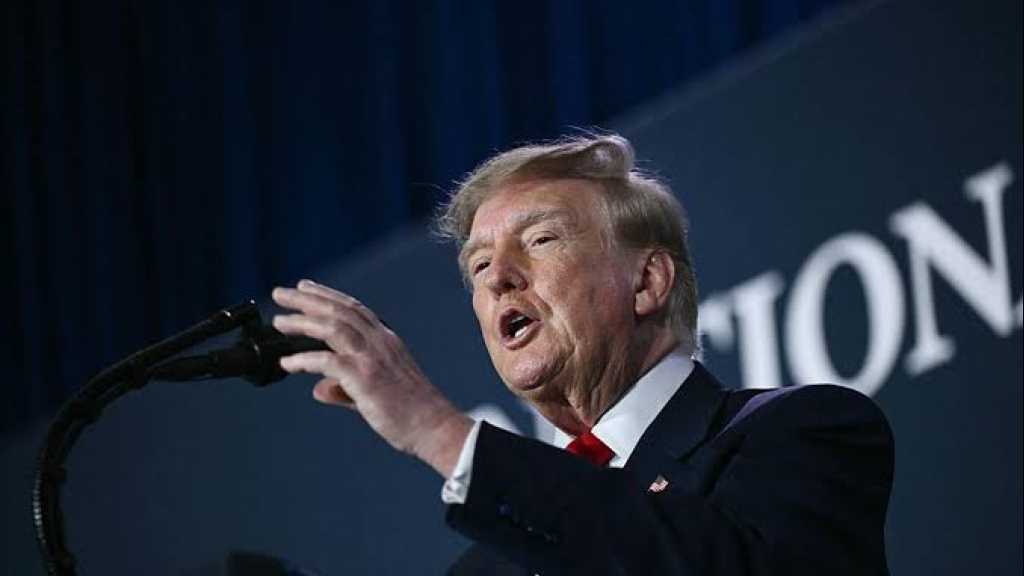
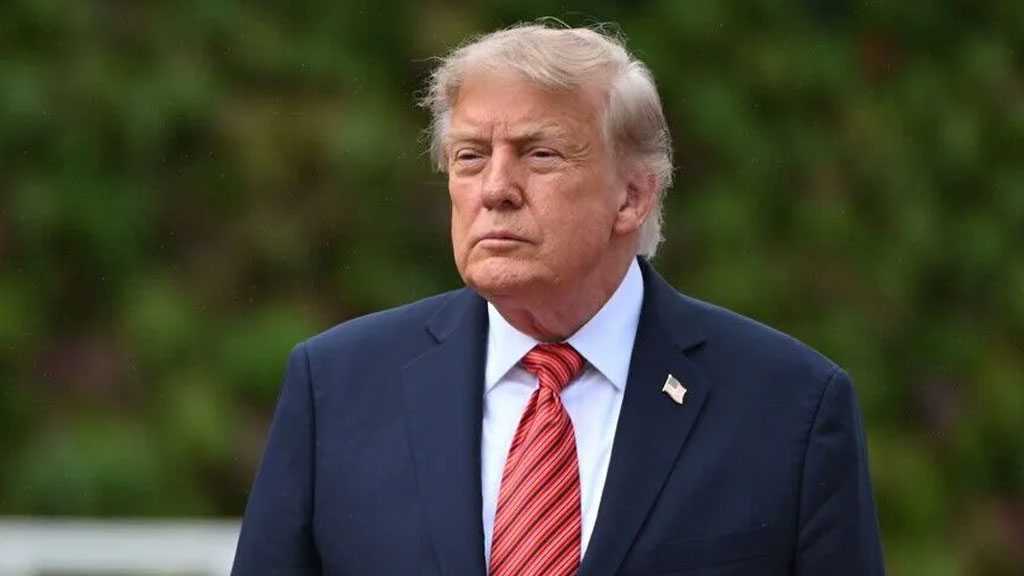
The decision came shortly after President Donald Trump announced plans to scale back joint military exercises with Seoul.
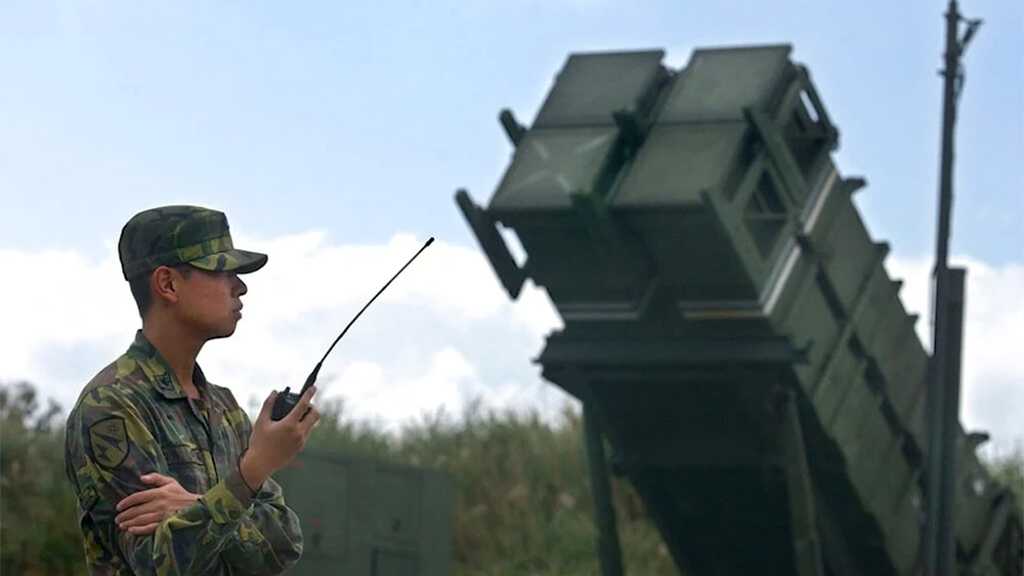
South Korea, Japan and Taiwan already face significant delays in receiving major US weapons. Taiwan expects "significant delays" in deliveries of Pac-3 Patriot missiles as the Pentagon uses a large portion of its interceptor stockpile in West Asia.
Taiwan has nearly $30 billion in approved US arms sales yet to be delivered, including $882 million worth of Patriot missiles.
Japan has likewise been warned of possible delays to defense deliveries, including Tomahawk cruise missiles, with reports suggesting some deliveries could be delayed by up to two years.
Jennifer Kavanagh of Defense Priorities questioned whether Taiwan would receive the full number of Patriot interceptors it expects, saying Washington's priority would likely be replenishing its own depleted stockpiles and those of Gulf allies.
The pressure has also prompted a broader redistribution of US military assets from the Indo-Pacific to West Asia.
The Washington Post reported that more than 30 ships originally expected to be in the Pacific had been redirected to West Asia during the war.
The Japan-based USS George Washington was also diverted to West Asia this month to help relieve pressure on the USS Abraham Lincoln following its extended deployment.
The shift has caused concern among US officials in the Indo-Pacific, who fear that diverting military resources could complicate efforts to deter Beijing.
A War Department official nevertheless maintained that the US Joint Force remains ready and capable of deterring aggression in the Indo-Pacific, stressing that military resources are routinely moved between combatant commands.
Comments
- Related News