- Home
- ISLAMIC RESISTANCE
- SECRETARY-GENERAL
-
Full Speeches
- Speeches-2000
- Speeches-2006
- Speeches-2007
- Speeches-2008
- Speeches-2009
- Speeches-2010
- Speeches-2011
- Speeches-2012
- Speeches-2013
- Speeches-2014
- Speeches-2015
- Speeches-2016
- Speeches-2017
- Speeches-2018
- Speeches-2019
- Speeches-2020
- Speeches-2021
- Speeches-2022
- Speeches-2023
- Speeches-2024
- Speeches-2025
- Speeches-2026
- Speech-Reports
- SG
-
Full Speeches
- Voices
- Ten Day Dawn
- The Biggest Crime
- Martyr Leaders

Trump Eyes Hormuz Reopening as Way Out of Unfinished Iran War
By Staff, Agencies
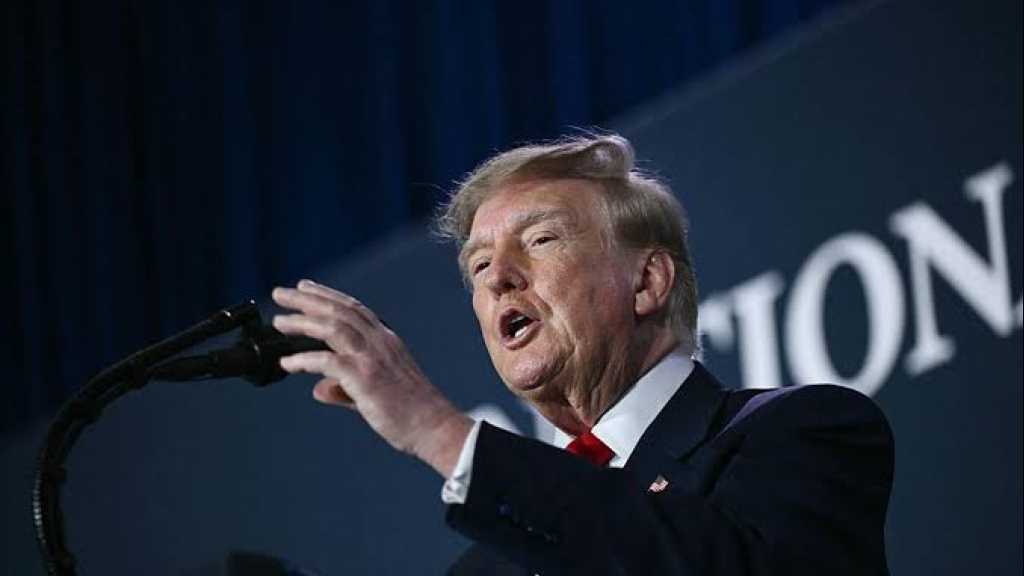
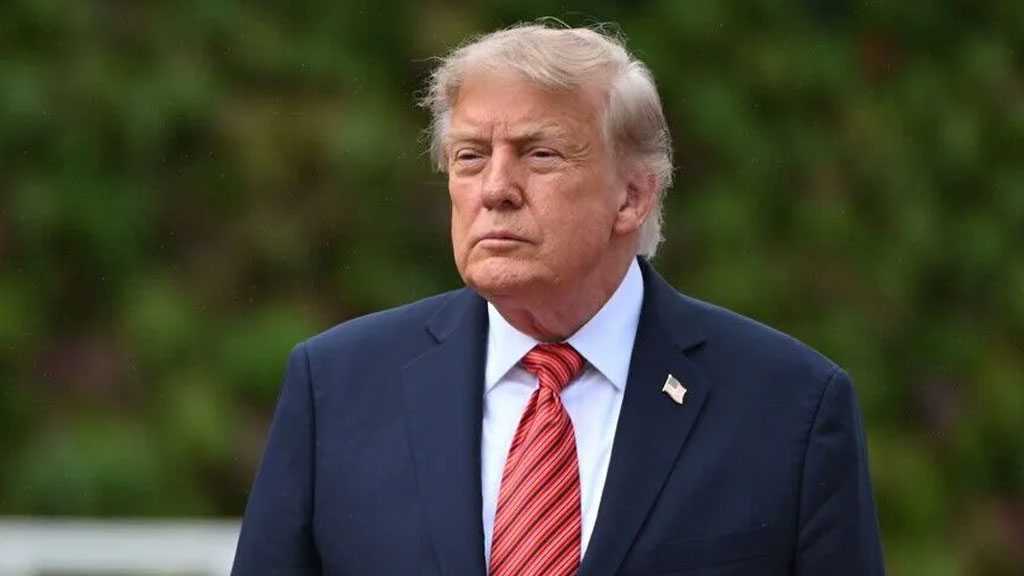
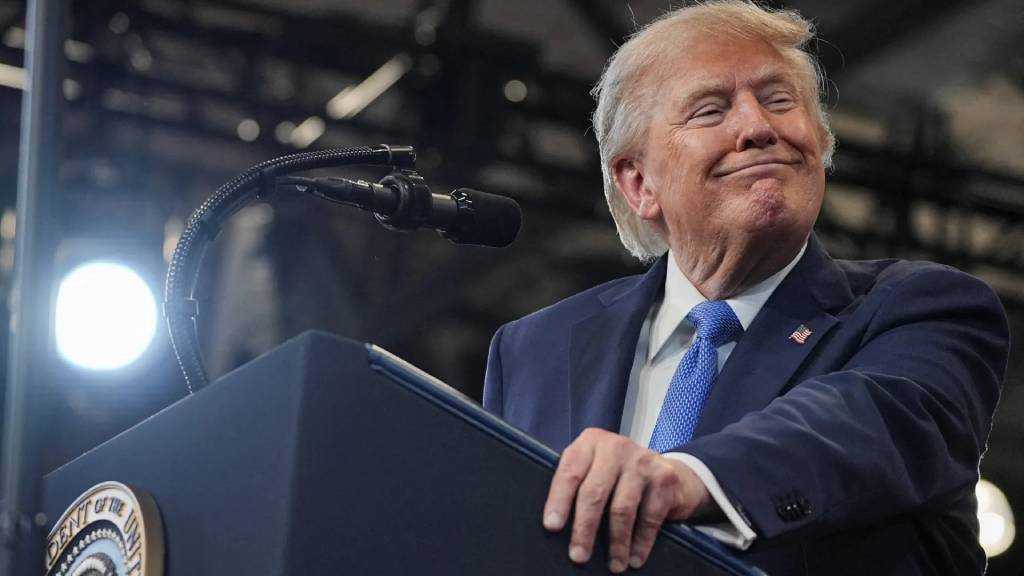
US President Donald Trump could seek to declare victory and move beyond the war against Iran if the Strait of Hormuz is reopened, The Atlantic reported, citing officials.
Trump has reportedly told political allies that reopening the strategic waterway could offer an opportunity to turn away from the war, while advisers are pressing him to focus on the US economy ahead of the November midterm elections.
The reported approach follows six months of a US-“Israeli” war against Iran that has failed to deliver the decisive outcome Washington initially sought. Instead, the confrontation has become prolonged, with Washington increasingly shifting from military war toward economic warfare.
Trump’s reported calculation centers on Hormuz, one of the confrontation’s key pressure points. Washington has repeatedly claimed progress toward reopening the waterway, while Iran has maintained that the strait’s security and operation cannot be separated from broader US military and economic pressure against the Islamic Republic.
Consequently, a reopening could give Trump a politically useful opportunity to portray one of the war’s central unresolved issues as settled and redirect public attention toward domestic economic concerns as the midterms approach.
Yet presenting Hormuz’s reopening as a US victory would obscure the broader trajectory of the war. The war has imposed substantial costs on Washington while leaving Iran capable of maintaining military and political resistance.
The reported strategy also coincides with Washington’s intensified economic campaign against Tehran. On August 20, Trump announced an economic warfare against Iran, describing it as “isolation on an unprecedented scale” and calling on US allies to participate. Treasury Secretary Scott Bessent subsequently said Washington would target every potential source of revenue available to the Iranian government.
The shift toward economic coercion comes as the US military faces mounting pressure after months of sustained war.
The Washington Post reported that pressure on US weapons stockpiles is already affecting military planning, while Washington canceled a September amphibious landing exercise with South Korea due to military needs related to the war on Iran. The decision came a week after Trump announced that Washington would scale back joint military exercises with Seoul.
For its part, Tehran has rejected Washington’s economic pressure as a sign of victory. Iranian Parliament Speaker Mohammad Baqer Qalibaf has vowed that Iran will overcome the enemy’s economic war, stressing Tehran’s ability to withstand the campaign.
Iran has also warned that attempts to intensify economic pressure by targeting its oil exports could trigger a response. Iranian officials have specifically warned against US attempts to seize Iranian oil at sea, making clear that such actions would carry consequences beyond the economic sphere.
Washington’s economic campaign remains closely tied to the maritime confrontation around Hormuz. Any attempt to restrict Iran’s oil exports while simultaneously demanding the strait’s reopening risks prolonging the very confrontation Trump would reportedly seek to declare over.
Comments
- Related News