- Home
- ISLAMIC RESISTANCE
- SECRETARY-GENERAL
-
Full Speeches
- Speeches-2000
- Speeches-2006
- Speeches-2007
- Speeches-2008
- Speeches-2009
- Speeches-2010
- Speeches-2011
- Speeches-2012
- Speeches-2013
- Speeches-2014
- Speeches-2015
- Speeches-2016
- Speeches-2017
- Speeches-2018
- Speeches-2019
- Speeches-2020
- Speeches-2021
- Speeches-2022
- Speeches-2023
- Speeches-2024
- Speeches-2025
- Speeches-2026
- Speech-Reports
- SG
-
Full Speeches
- Voices
- Ten Day Dawn
- The Biggest Crime
- Martyr Leaders

Trump Hints To Possible Shift in US Position over Falkland Islands
By Staff, Agencies
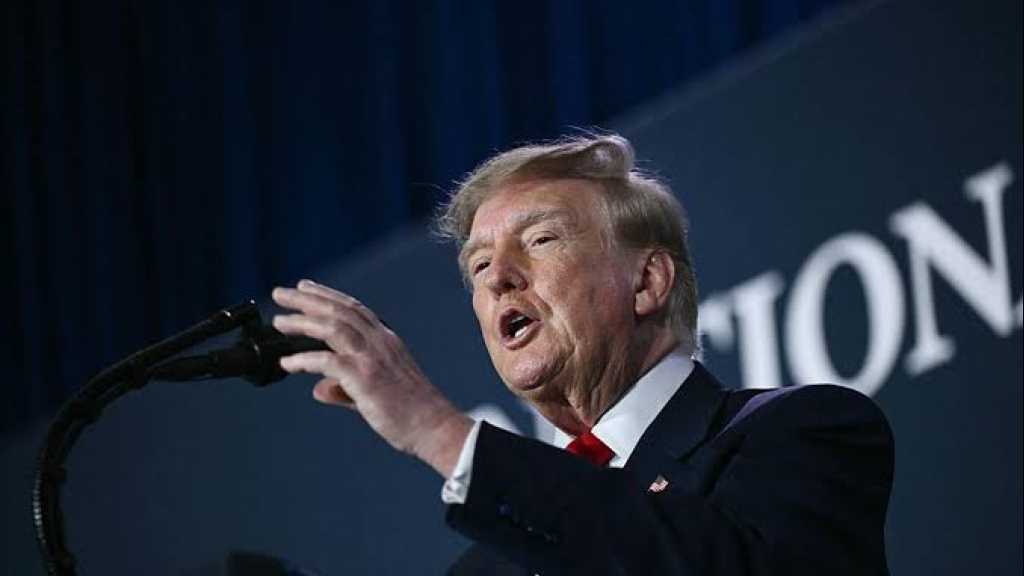
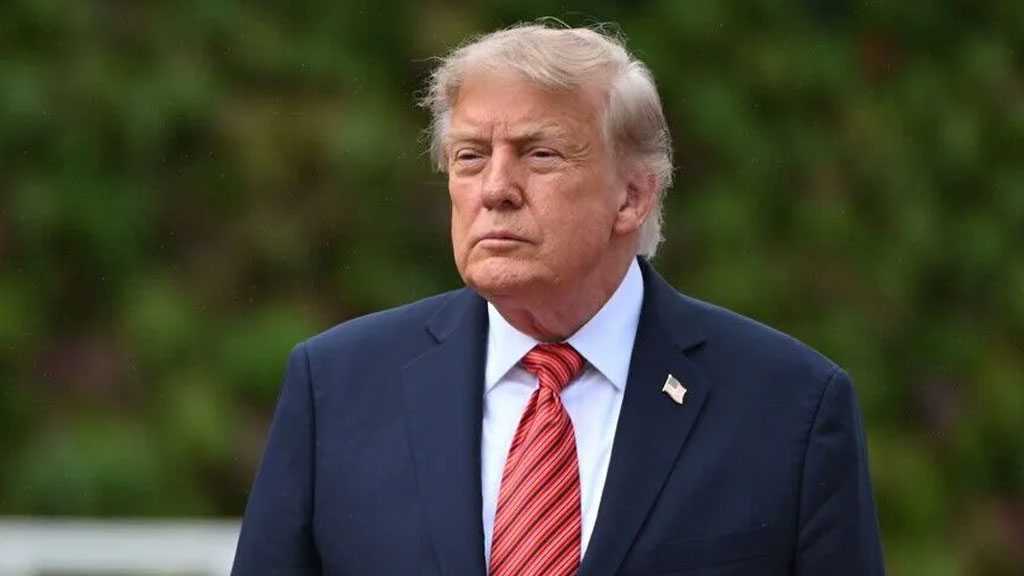
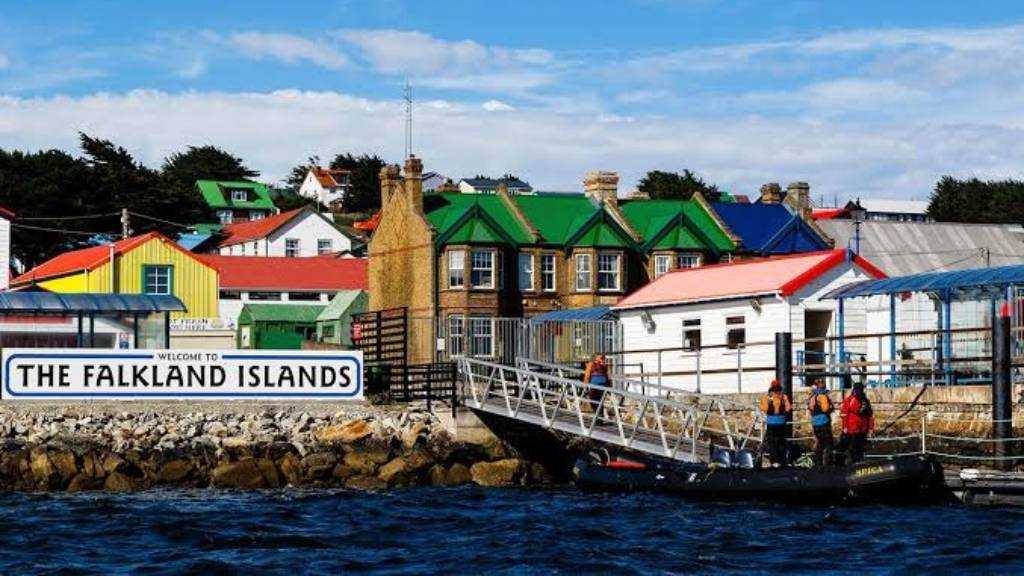
US President Donald Trump has opened the door to a possible change in Washington’s position on the Falkland Islands, potentially turning a decades-old sovereignty dispute into a bargaining tool in his push for Britain to increase defense spending.
Trump made the comment Monday when asked at the White House whether he was reviewing the US position on the South Atlantic islands, which Argentina claims as its territory.
“I always review every position - that’s just one of many,” Trump said.
The remarks come amid growing pressure from Washington on its NATO allies to increase military spending and follow reports that the Trump administration could reconsider its position on the islands if Britain does not meet its defense commitments.
An unnamed US official told The Telegraph last week that Washington could change its position on the Falkland Islands if Britain failed to meet its defense spending commitments.
The warning followed reports that UK Chancellor John Healey was considering abandoning an earlier pledge to allocate 3% of Britain’s GDP to defense by 2030. Healey is due to deliver his first budget on October 28.
Trump has repeatedly pressured US allies during both of his presidencies to increase their defense budgets and NATO contributions, accusing them of “freeloading”. NATO members agreed at a summit in The Hague last year to spend 5% of GDP on defense and security-related expenditures by 2035.
The prospect of Washington changing its stance on the Falklands has been circulating for months. A leaked Pentagon email in April reportedly suggested that Britain’s claim could be reviewed after London declined to support Trump’s decision to go to war against Iran.
Washington officially maintains a neutral position on the question of sovereignty over the islands, which Argentina has long claimed. Britain first claimed the territory in the late 17th century and has controlled it almost continuously since 1833.
In practice, the US recognizes British administration of the islands, which became the site of a war in 1982 after Argentina invaded. Britain sent a naval task force to retake the territory, with Argentina surrendering in June that year.
The war left 649 Argentine and 255 British personnel dead.
A reversal by Washington would therefore carry considerable political and symbolic weight for Britain. US support was particularly significant during the 1982 conflict, when then-President Ronald Reagan backed London diplomatically despite Washington also being allied with Argentina’s military government.
The war also helped strengthen the political relationship between Reagan and then-British Prime
Comments
- Related News