- Home
- ISLAMIC RESISTANCE
- SECRETARY-GENERAL
-
Full Speeches
- Speeches-2000
- Speeches-2006
- Speeches-2007
- Speeches-2008
- Speeches-2009
- Speeches-2010
- Speeches-2011
- Speeches-2012
- Speeches-2013
- Speeches-2014
- Speeches-2015
- Speeches-2016
- Speeches-2017
- Speeches-2018
- Speeches-2019
- Speeches-2020
- Speeches-2021
- Speeches-2022
- Speeches-2023
- Speeches-2024
- Speeches-2025
- Speeches-2026
- Speech-Reports
- SG
-
Full Speeches
- Voices
- Ten Day Dawn
- The Biggest Crime
- Martyr Leaders

Trump Eyes Iran War Exit as Midterms Near
By Staff, Agencies
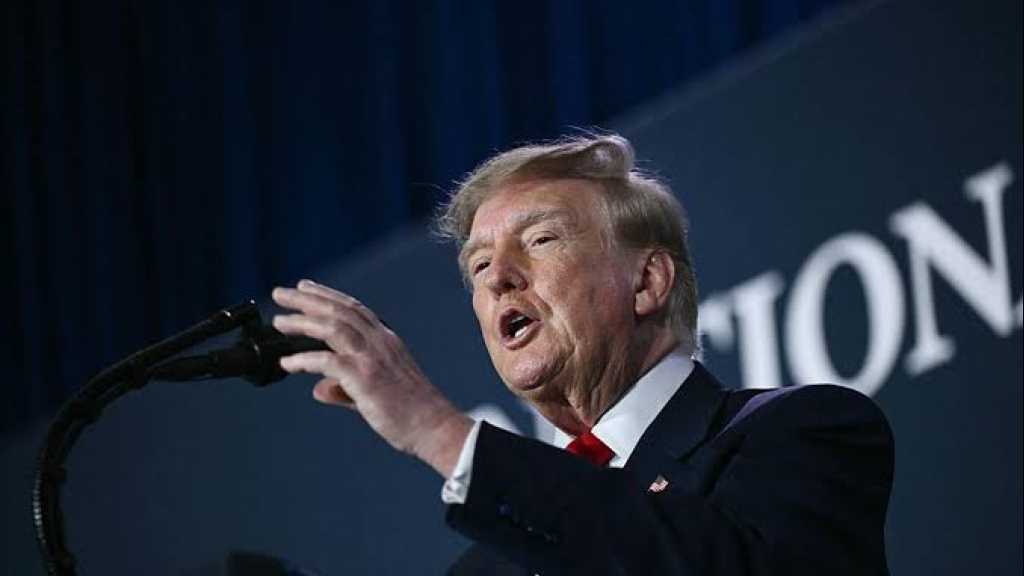
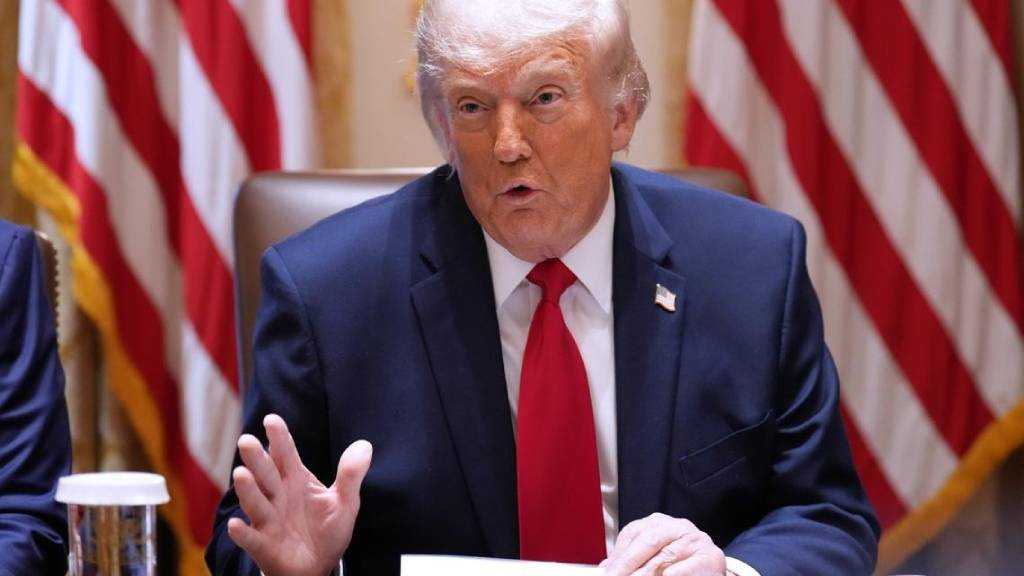
US President Donald Trump is reportedly discussing diplomatic options with senior aides to potentially declare an end to the war on Iran, as mounting political and military costs raise concerns ahead of the November 3 midterm elections.
According to The Wall Street Journal, the discussions come more than six months into a war that has failed to force Tehran to accept Washington’s demands.
Reuters separately reported that senior White House officials are seeking to keep the conflict relatively “quiet” until the elections, while leaving open the possibility of renewed escalation afterward.
For now, Washington is increasingly relying on sanctions and economic pressure rather than expanding military war. “We are keeping the pressure on Iran,” one White House official told Reuters. “But November is a priority.”
The war is also becoming increasingly unpopular domestically. A late-August Reuters/Ipsos poll found 31% of Americans approved of the conflict, compared with 63% who opposed it.
Rising gasoline prices have added to the economic pressure, while Trump’s approval rating reportedly fell from 40% to 33% since the war began. Republicans, who hold narrow congressional majorities, therefore face pressure to prevent another major escalation before November.
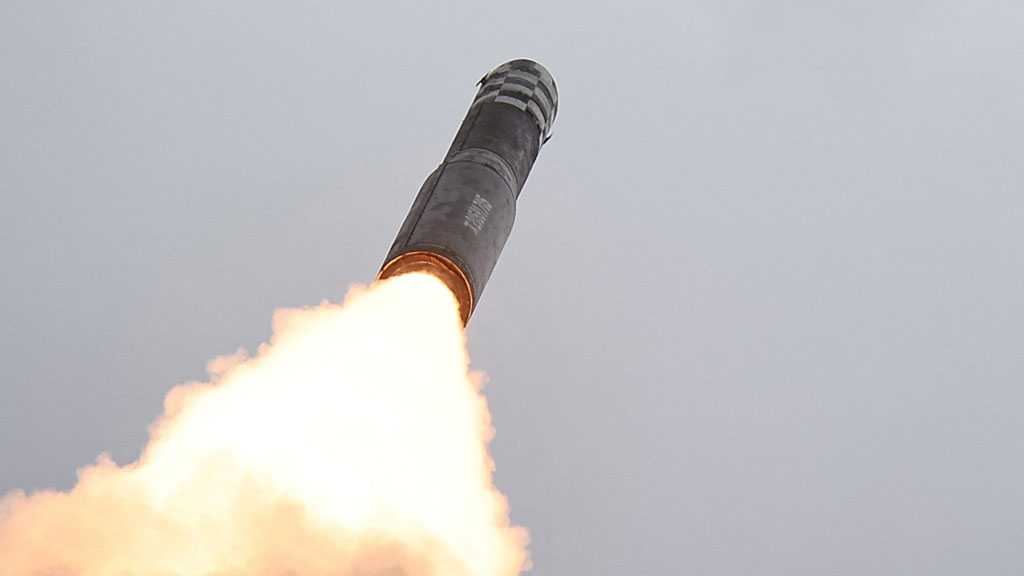
At the same time, the prolonged war is straining US military resources. Reuters reported that US forces had used “virtually all” of certain precision missiles, while The Washington Post said the Army, Navy and Air Force chiefs warned Pentagon chief Pete Hegseth that prolonging the war could undermine military readiness elsewhere.
A reduction in fighting would allow Washington to replenish weapons stocks and ease pressure on deployed forces.
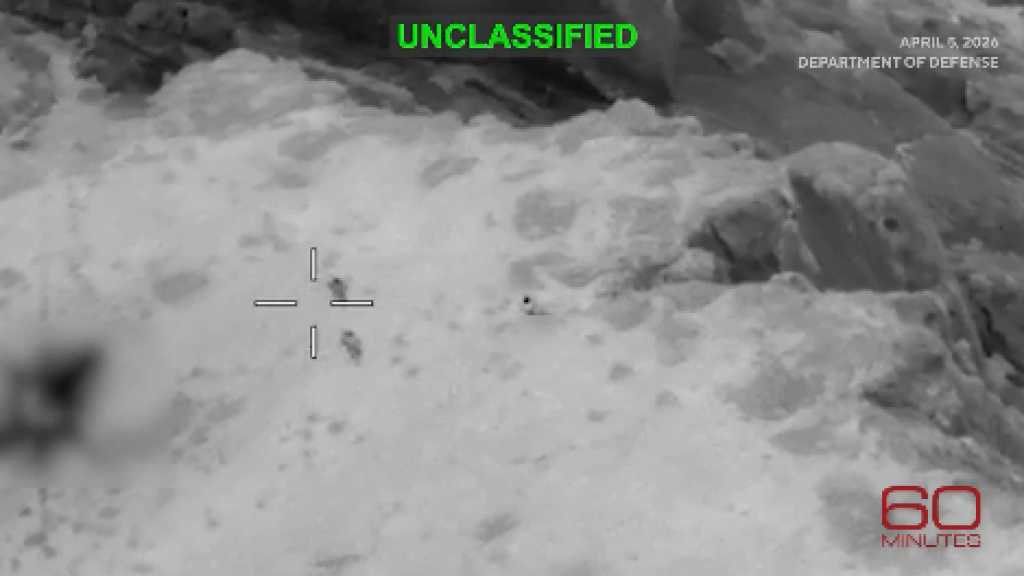
Despite the push for “calm,” US attacks continue. Strikes on alleged targets on Iran’s Larak Island prompted Iranian retaliation toward targets in Jordan and the United Arab Emirates, followed by further US attacks around the Strait of Hormuz that reportedly marked the largest outbreak of fighting since July. Iranian military personnel and civilians lost their lives in the strikes.
Trump then threatened Tehran with heavier attacks if it retaliated, highlighting the contradiction in Washington’s approach: seeking to contain the war before the elections while continuing attacks and threatening further escalation.
Meanwhile, the Trump administration is expanding economic coercion, threatening additional sanctions against countries trading with Iran while maintaining its blockade around the Strait of Hormuz.
Washington hopes the pressure will bring Tehran back to negotiations, although Iran has endured decades of sanctions without abandoning its core positions, while China and other major powers have resisted efforts to isolate it.
Several Gulf governments have also urged Washington to de-escalate, according to regional diplomats cited by Reuters.
Taken together, the developments suggest Trump is seeking a path to declare the war over—or at least contain the fighting until after the midterms—as domestic opposition and military constraints narrow Washington’s options.
The prospect of renewed US war after November, however, leaves open whether the current push for “calm” is a genuine effort to end the war or simply a pause until after the elections.
Comments
- Related News