- Home
- ISLAMIC RESISTANCE
- SECRETARY-GENERAL
-
Full Speeches
- Speeches-2000
- Speeches-2006
- Speeches-2007
- Speeches-2008
- Speeches-2009
- Speeches-2010
- Speeches-2011
- Speeches-2012
- Speeches-2013
- Speeches-2014
- Speeches-2015
- Speeches-2016
- Speeches-2017
- Speeches-2018
- Speeches-2019
- Speeches-2020
- Speeches-2021
- Speeches-2022
- Speeches-2023
- Speeches-2024
- Speeches-2025
- Speeches-2026
- Speech-Reports
- SG
-
Full Speeches
- Voices
- Ten Day Dawn
- The Biggest Crime
- Martyr Leaders

ICE Whistleblower Warns Rushed Hiring Bypassed Basic Vetting
By Staff, Agencies
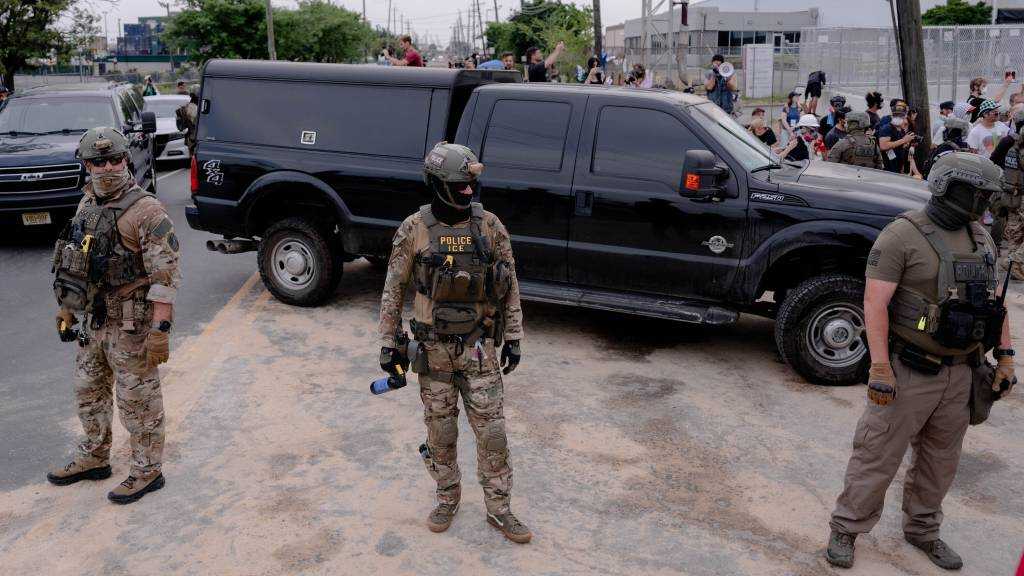
A former senior US Immigration and Customs Enforcement [ICE] official has accused the agency of weakening basic recruitment safeguards during a rapid hiring campaign under President Donald Trump, warning that unsuitable candidates may have entered federal law enforcement roles.
According to a whistleblower complaint obtained by The New York Times, ICE relaxed multiple screening requirements after receiving a major increase in federal funding for immigration enforcement.
The complaint, filed in August 2025 by a 17-year ICE veteran who headed a unit responsible for evaluating applicants, alleged that some recruits received job offers before fingerprint checks, identity verification, credit reviews and other preliminary screening were completed.
The former official described the changes as an “unprecedented lowering of standards” that created “systemic breakdowns” and allowed “improperly vetted” candidates into the hiring pipeline.
He warned that prioritizing convenience over thorough screening could put lives at risk and jeopardize national security.
The whistleblower requested an independent investigation by the Department of Homeland Security’s Office of Inspector General and was interviewed twice. His allegations are now part of an ongoing audit of ICE personnel vetting.
Before the hiring surge, applicants generally underwent seven to 10 days of preliminary checks, including fingerprint and database reviews, security questionnaires and, when necessary, polygraph examinations.
During the recruitment push, vetters were reportedly instructed to make decisions without complete forms, confirmed fingerprints or polygraph results, allowing some recruits to begin training before their identities and criminal histories were fully verified.
Training standards were also lowered, with ICE temporarily cutting academy training from about 10 weeks to six.
Some experienced law-enforcement recruits were allowed to complete online coursework instead of the full in-person program, although the agency later restored longer training and ordered some graduates to receive additional instruction.
Former ICE lawyer and trainer Ryan Schwank separately told Congress that instructors were increasingly concerned about the quality of recruits, including the possibility of organized crime penetrating the agency.
He said several trainees were removed after officials determined they had links to a criminal gang, an account ICE rejected, saying it had “NO credible evidence” that trainees were linked to a common criminal gang.
Scrutiny intensified after Colombian immigrant Johan Sebastian Duran Guerrero was fatally shot in Maine by ICE agent David Brouillette, hired during the recruitment surge and accused by former wives of abusive behavior; DHS said it would review his vetting.
The whistleblower also alleged preferential treatment for Trump allies, including Corey Lewandowski, and said he was targeted after filing his complaint, placed on leave and had his laptop seized.
No wrongdoing was ultimately found, and he retired in July. He called the rushed hiring practices “a betrayal of the public trust,” while ICE defended its vetting procedures.
Comments
- Related News