- Home
- ISLAMIC RESISTANCE
- SECRETARY-GENERAL
-
Full Speeches
- Speeches-2000
- Speeches-2006
- Speeches-2007
- Speeches-2008
- Speeches-2009
- Speeches-2010
- Speeches-2011
- Speeches-2012
- Speeches-2013
- Speeches-2014
- Speeches-2015
- Speeches-2016
- Speeches-2017
- Speeches-2018
- Speeches-2019
- Speeches-2020
- Speeches-2021
- Speeches-2022
- Speeches-2023
- Speeches-2024
- Speeches-2025
- Speeches-2026
- Speech-Reports
- SG
-
Full Speeches
- Voices
- Ten Day Dawn
- The Biggest Crime
- Martyr Leaders

Qalibaf Calls for Homegrown Regional Security Architecture
By Staff, Agencies
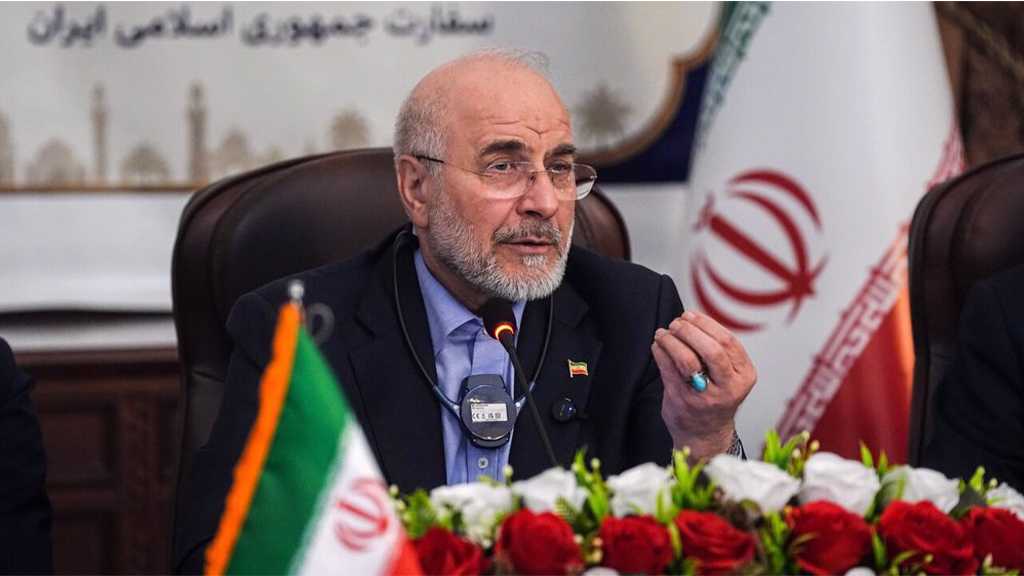
Iranian Parliament Speaker Mohammad Baqer Qalibaf has called on regional countries to take responsibility for their own security, saying Iran is ready to contribute to the creation of a new, homegrown security architecture.
"China's emphasis on fostering common security reflects a principle Iran has long championed," Qalibaf said in a Friday post on X.
He stressed that regional countries must take their future into their own hands and that lasting stability can only be achieved through a security framework built by the countries of the region.
Tehran has repeatedly urged regional states to reduce their reliance on extra-regional powers and establish security arrangements through cooperation.
Qalibaf has described security based on foreign intervention as "fragile and dependent," while arguing that cooperation among regional and Muslim countries can provide more stable and lasting security.
He also pointed to emerging regional alliances as evidence of a possible new phase in which neighboring Muslim countries rely on their own capabilities rather than outside powers, choosing cooperation and brotherhood over rivalry.
Iranian President Masoud Pezeshkian has similarly proposed a "mutual security and non-aggression pact" among Muslim countries.
Speaking at an Islamic Unity conference in Tehran, Pezeshkian said the proposed agreement would include commitments to respect one another's territorial integrity.
Iran has also welcomed recent regional security initiatives, including the Mecca Joint Defense Agreement signed by Saudi Arabia, Türkiye, and Pakistan.
The pact provides for an armed attack against one signatory to be treated as an attack against all three.
Iranian Foreign Ministry spokesman Esmaeil Baghaei said the agreement reflected a changing regional understanding that "security is not a commodity that can be purchased from false security brokers."
He added that Tehran had no reason to be concerned, citing its "deeply rooted bonds" with the three countries.
Qalibaf's comments come amid heightened regional tensions following continued US and "Israeli" military actions, with Tehran arguing that the escalation demonstrates the need for regional states to develop independent security arrangements rather than rely on foreign military powers.
Comments
- Related News
Yemeni Forces Continue Targeting Saudi Positions
one day ago