US Weighs West Asia Military Pullback After Iran War
By Staff, Agencies
The United States is considering reducing its military presence across West Asia following its war on Iran, as Iranian strikes exposed the vulnerability of US forces and military infrastructure throughout the region, CNN reported.
The discussions reflect growing pressure on Washington to reassess a military footprint built over decades of intervention and strategic expansion. The war demonstrated that the extensive network of American bases can be directly targeted despite Pentagon efforts to maintain them as pillars of US regional power.
The US currently has roughly 50,000 troops stationed across the region, alongside major naval and air assets, according to CNN. Officials are discussing options that could include reducing troops and military installations, though no final decision or timetable has been set.
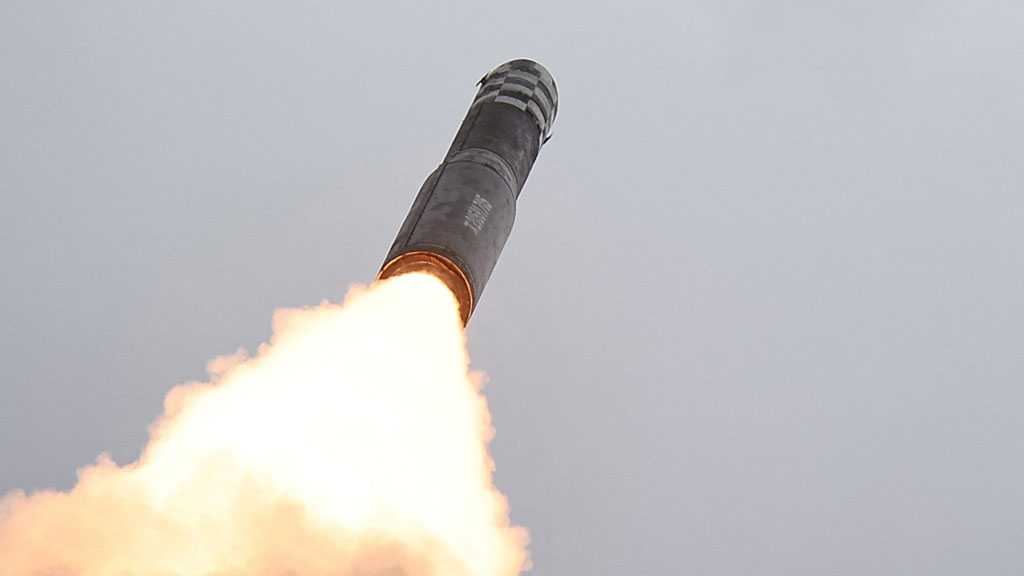
Iran's retaliation to US hostilities demonstrated the reach of its missile capabilities, with strikes targeting American positions in Bahrain, Qatar, Saudi Arabia and Kuwait and placing US forces and strategic installations under direct pressure.
Significant damage was reported to American military infrastructure, while a CIA outpost in Riyadh was also reportedly destroyed.
The attacks challenged the assumption that Washington can maintain a sprawling military presence in West Asia without exposing its forces to substantial retaliation.
US officials are examining underground and hardened facilities, while some installations damaged during the war may not be rebuilt.
The consequences could also affect Washington's relations with Gulf governments hosting major US military facilities, as they may increasingly be expected to assume greater responsibility for their own defense.
The American military footprint in West Asia has expanded through decades of intervention, wars and occupations. Before September 11, the US had around 27,000 troops in the region, a figure that surged to approximately 250,000 at the height of the invasion and occupation of Iraq. Between 2007 and 2011, around 100,000 US troops remained in Iraq, while tens of thousands continued to be stationed elsewhere in the region.
Today, Washington maintains a network of bases and facilities designed to project US power and protect its strategic interests. The US Navy's Fifth Fleet, headquartered in Bahrain, remains central to this structure, alongside aircraft carriers, destroyers, air-defense systems and thousands of troops.
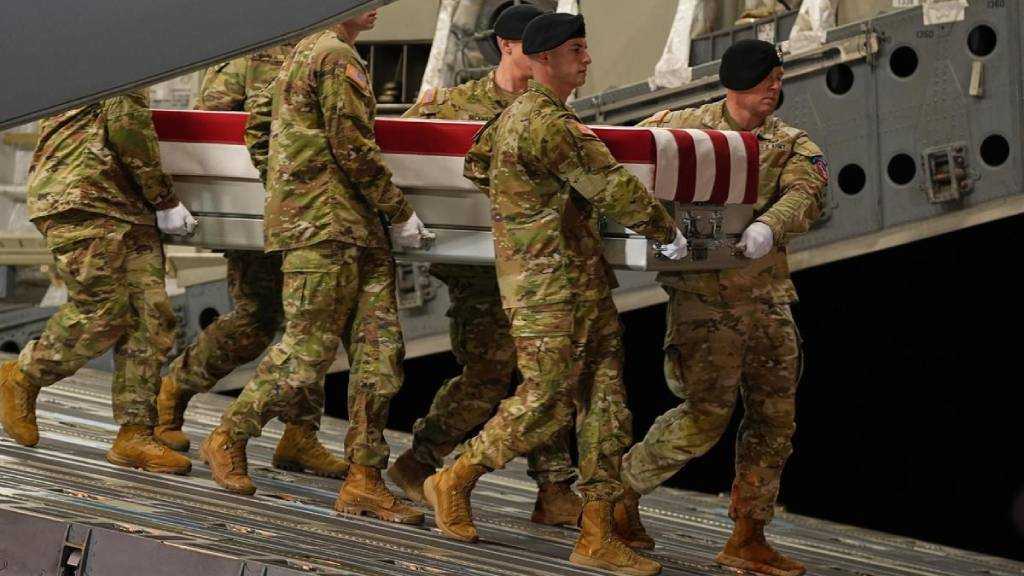
The Pentagon is now examining whether that posture remains sustainable after the war on Iran exposed the risks facing American forces. The US had deployed two aircraft carriers and more than a dozen destroyers in the region while maintaining thousands of troops at bases vulnerable to Iranian retaliation. Washington acknowledged that 18 US service members lost their lives during the war, according to the report.
The scale of Iran's response has consequently forced Washington to confront a broader strategic dilemma: maintaining a large military footprint leaves US forces vulnerable whenever Washington launches or participates in another regional war.
The martyring of Iranian General Qassem Soleimani in a 2020 US drone strike in Baghdad had already demonstrated Washington's willingness to directly target senior Iranian officials. Iran's subsequent response, followed by the war on Iran, further underscored the potential consequences of such escalation.
Despite the discussions, US officials have not established a clear timeline for withdrawing troops or significantly reducing the American presence. Bahrain, home to the US Fifth Fleet, is reportedly not expected to see the naval force leave anytime soon.
Any substantial reduction would nevertheless represent a major shift in Washington's regional strategy, which has long relied on keeping military forces near Iran and maintaining an extensive network of bases and strategic positions.
The war has now exposed the costs of that approach, as Iranian missile strikes demonstrated that US bases across West Asia remain within reach of Iran's retaliatory capabilities.