Canada Strikes Back with Tariffs as US Trade War Escalates
By Staff, Agencies
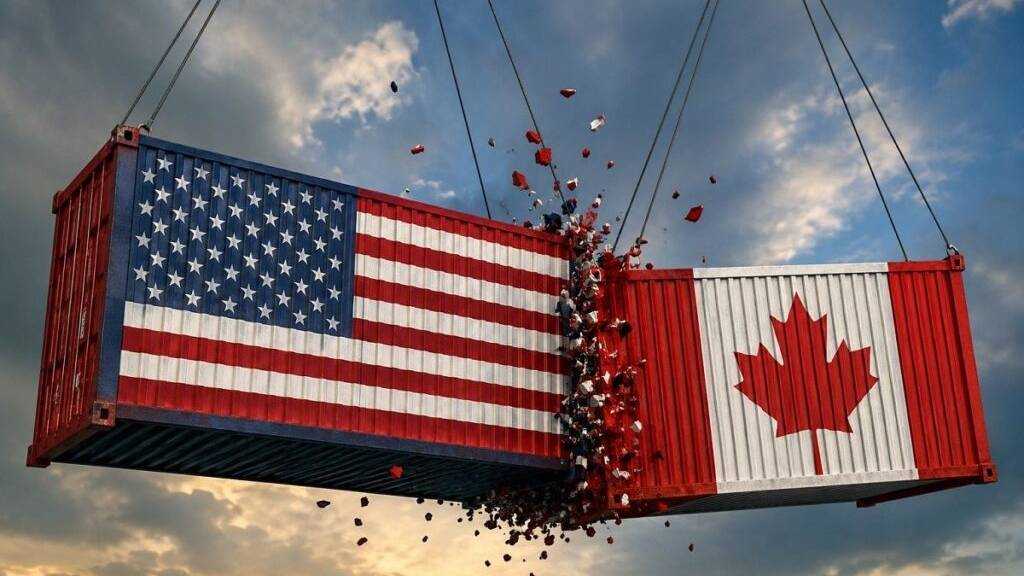
Canada's retaliatory tariffs on billions of dollars of US goods took effect Tuesday, escalating the trade confrontation between the two North American neighbors.
The counter-tariffs, ranging from 15% to 50%, cover $27.6 billion in US imports, targeting products including steel, aluminum and dairy goods such as cheese. Ottawa removed several seafood products from the initial list.
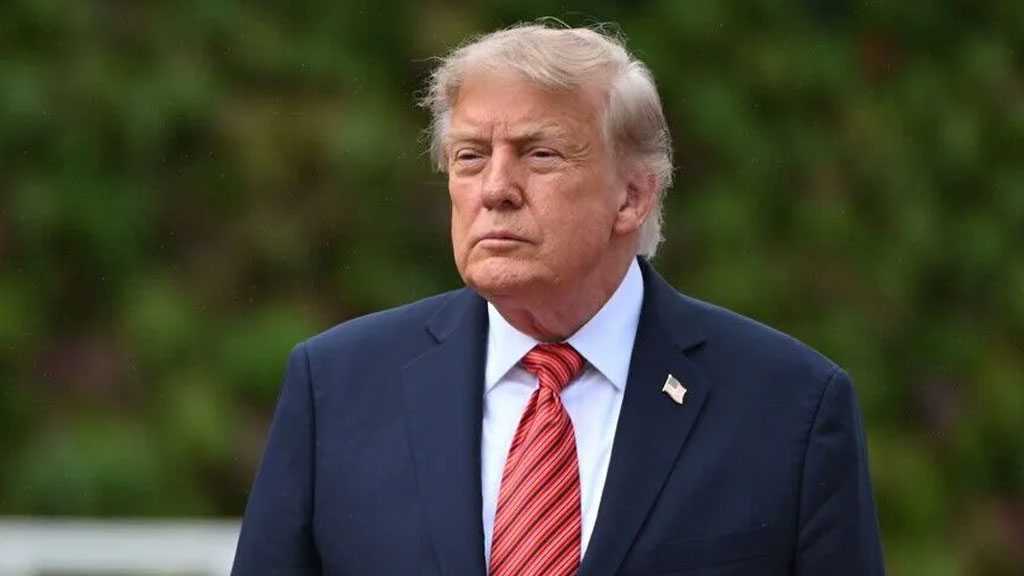
The move follows US President Donald Trump's imposition of 50% tariffs on a comparable value of Canadian goods, citing what Washington called "discriminatory treatment" of US alcohol, automobile and dairy industries.
The US tariffs affect products including hockey sticks and cement and cover about 5.5% of Canadian exports to the United States.
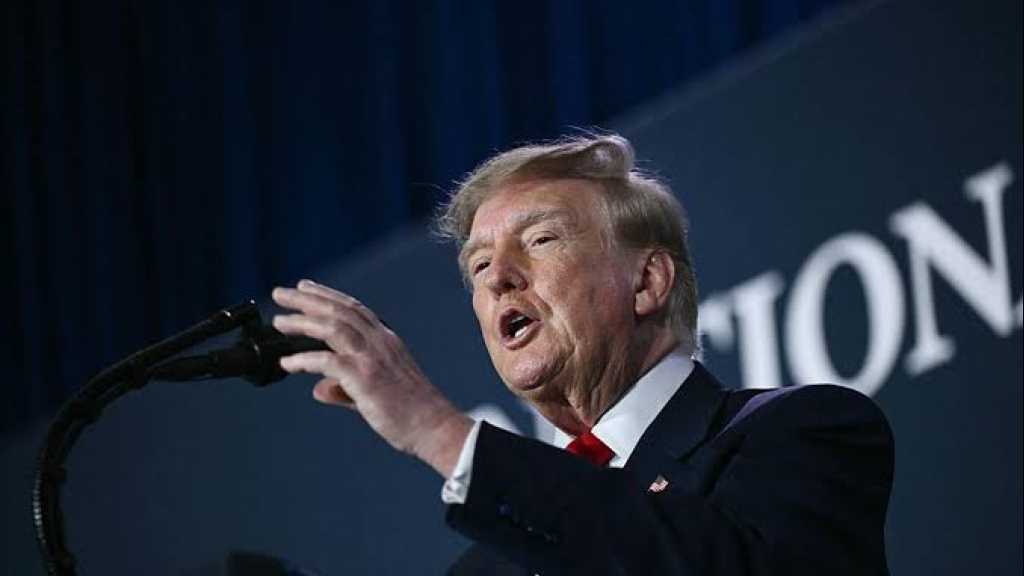
Meanwhile, Trump on Monday threatened to block Canadian aircraft manufacturer Bombardier Aviation from selling in the US unless the Quebec-based company moves manufacturing operations to US soil.
"No more selling Bombardier in the United States!" Trump wrote on Truth Social, without explaining how the measure would be enforced.
Bombardier, whose aircraft operate widely in US airline fleets, stressed its economic footprint in the country, saying it supports "tens of thousands of jobs" through direct employment in more than 20 states. It also spends over $2.5 billion annually with suppliers and maintains a supply chain involving around 2,800 US companies across 47 states.
The dispute highlights how Washington's tariff policy has expanded beyond conventional trade measures, with Trump also threatening individual companies to gain leverage.
Trade negotiations between Ottawa and Washington broke down on August 21 after several days of talks in Washington. Canadian Prime Minister Mark Carney said he suspended them after rejecting terms proposed by the Trump administration and accused US negotiators of introducing last-minute restrictions on Canada's trade agreements with other countries.
Carney also said US officials had made unacceptable "threats" concerning the French language and Quebec culture. US Trade Representative Jamieson Greer later said Washington understood the sensitivity of Canada's French-language protections, adding that it was not an issue the US would "push hard" or make a condition or red line.
The talks have yet to resume, leaving the two countries in an increasingly public dispute.
Tensions have also spilled into political rhetoric. US Treasury Secretary Scott Bessent rejected the description of the confrontation as a trade war, arguing that the US is much larger than Canada and mocking Canada's military capabilities.
Pentagon chief Pete Hegseth separately drew criticism after appearing to mock a Canadian soldier's physical appearance on social media.
Carney called the remarks "beneath their office" and said negotiations could resume "when the Americans stop doing memes" and take the talks seriously.
Trump has also added a symbolic dimension to the dispute. In August, he signed an order renaming Lake Ontario as "Lake America," following his earlier renaming of the Gulf of Mexico as the "Gulf of America."
He has repeatedly suggested Canada should become the 51st US state, adding a territorial element to tensions traditionally centered on trade.
Despite Ottawa's retaliation, Canada remains heavily economically dependent on the US: nearly 60% of its imports come from the United States, while around 70% of its exports go to the US market.
To help Canadian businesses and workers affected by the trade confrontation, Ottawa has announced a C$7.5 billion [US$5.4 billion] aid package.