- Home
- ISLAMIC RESISTANCE
- SECRETARY-GENERAL
-
Full Speeches
- Speeches-2000
- Speeches-2006
- Speeches-2007
- Speeches-2008
- Speeches-2009
- Speeches-2010
- Speeches-2011
- Speeches-2012
- Speeches-2013
- Speeches-2014
- Speeches-2015
- Speeches-2016
- Speeches-2017
- Speeches-2018
- Speeches-2019
- Speeches-2020
- Speeches-2021
- Speeches-2022
- Speeches-2023
- Speeches-2024
- Speeches-2025
- Speeches-2026
- Speech-Reports
- SG
-
Full Speeches
- Voices
- Ten Day Dawn
- The Biggest Crime
- Martyr Leaders

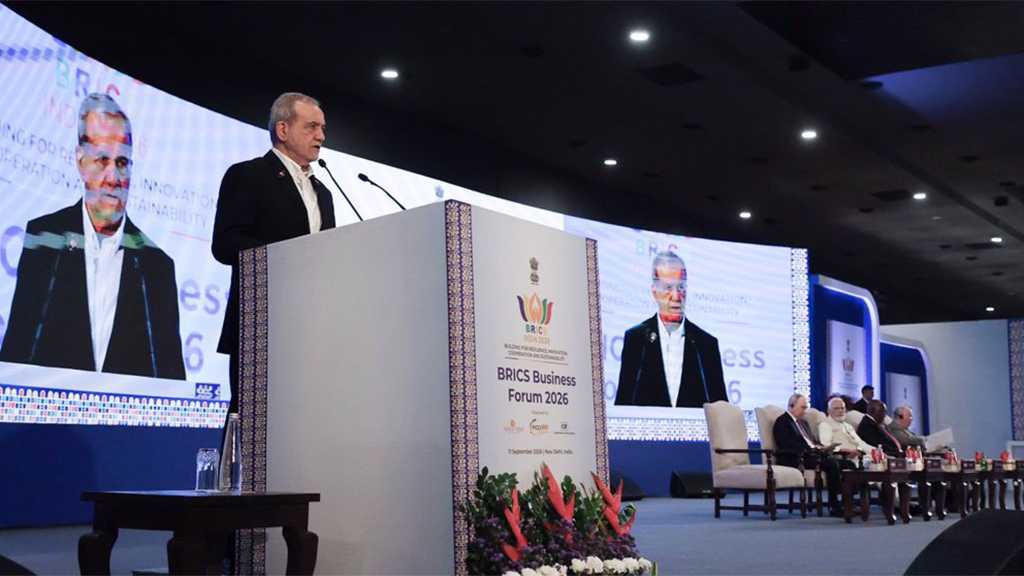
Pezeshkian Calls for Stronger BRICS Cooperation
By Staff, Agencies
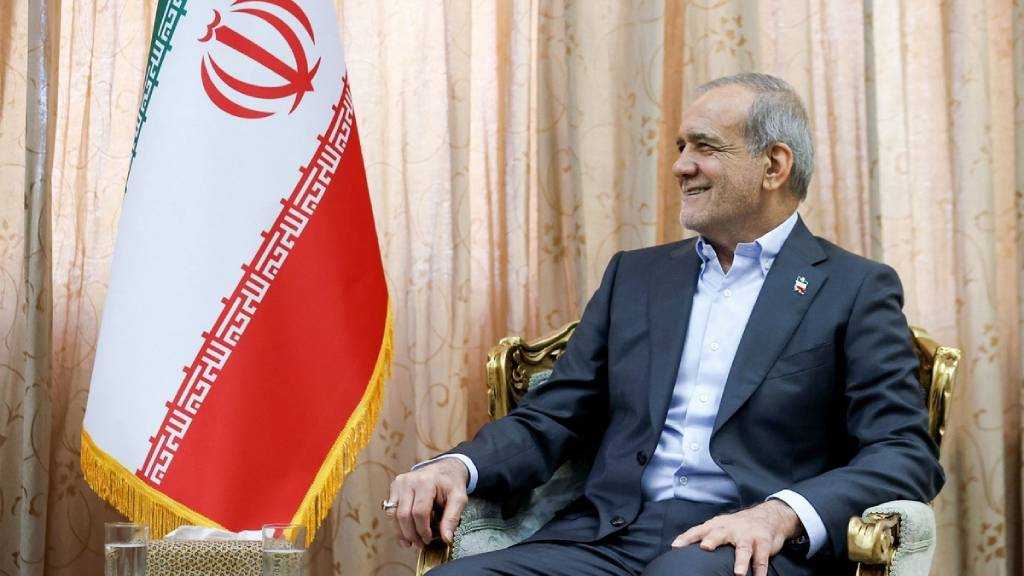
Iranian President Masoud Pezeshkian has urged BRICS members to build a resilient trade network and expand the use of national currencies to strengthen economic cooperation and reduce vulnerability to political and geopolitical shocks.
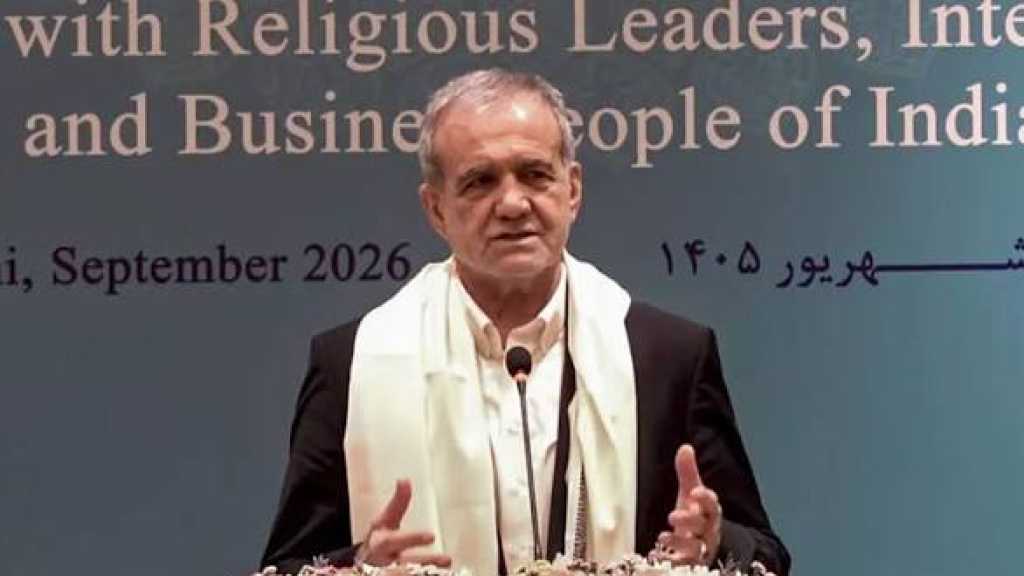
Speaking at the BRICS Business Forum in New Delhi on Friday, Pezeshkian said the world is at “one of its most complex junctures,” marked by geopolitical uncertainty, supply-chain disruptions, and the growing use of economic tools to exert political pressure.
He argued that BRICS’ strength extends beyond the size of its members’ economies, calling for a shared network of trade, investment, and financing that would shift the bloc from “potential cooperation” to “operational cooperation.”
He stressed the importance of diversifying trade partners, financing sources, and payment channels to strengthen economic resilience.
Pezeshkian said Iran’s experience with years of sanctions had become “far more difficult and dangerous” following the recent US-"Israeli" aggression against the Islamic Republic. He argued that the conflict demonstrated that economic security cannot be separated from national and regional security.
The Iranian president called on BRICS to develop resilient economic capacities for its members and the Global South, ensuring that no country can disrupt another’s legitimate trade by monopolizing financial instruments or critical technologies.
He also urged greater integration of customs and trade systems, reduced regulatory barriers, cross-border markets, and increased joint private-sector investment.
He further called for cooperation on standardization so BRICS can develop from a market focused on exchanging raw materials into a network of value chains and joint industrial production.
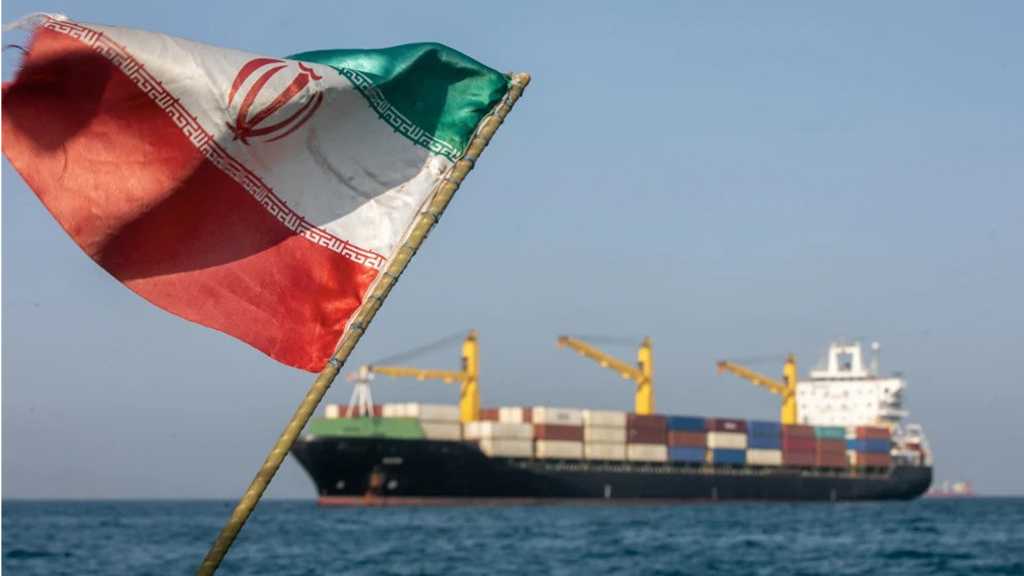
Pezeshkian identified food and energy security as “two essential pillars of economic security” and said Iran is ready to serve as a strategic partner in BRICS energy, food, and transportation supply chains.
Pezeshkian also emphasized expanding trade in national currencies, arguing that the current financial system’s reliance on a limited number of currencies leaves it vulnerable to political shocks. He called for mechanisms to manage currency risks and facilitate mutual settlements.
Addressing technology, he said artificial intelligence would bring “a fundamental transformation in the global economy” and urged BRICS to become a producer of knowledge and digital standards rather than merely a consumer of technology.
He also called for stronger cybersecurity and for transforming the BRICS Business Council into an “operational engine” based on measurable projects and targets.
Pezeshkian reiterated Tehran’s readiness to become “one of the key links connecting the BRICS economies,” citing Iran’s energy resources and strategic geographic position.
Comments
- Related News