- Home
- ISLAMIC RESISTANCE
- SECRETARY-GENERAL
-
Full Speeches
- Speeches-2000
- Speeches-2006
- Speeches-2007
- Speeches-2008
- Speeches-2009
- Speeches-2010
- Speeches-2011
- Speeches-2012
- Speeches-2013
- Speeches-2014
- Speeches-2015
- Speeches-2016
- Speeches-2017
- Speeches-2018
- Speeches-2019
- Speeches-2020
- Speeches-2021
- Speeches-2022
- Speeches-2023
- Speeches-2024
- Speeches-2025
- Speeches-2026
- Speech-Reports
- SG
-
Full Speeches
- Voices
- Ten Day Dawn
- The Biggest Crime
- Martyr Leaders

IRG: Any New Aggression will Prompt Iran to Change Geography, Weapons of war
By Staff, Agencies
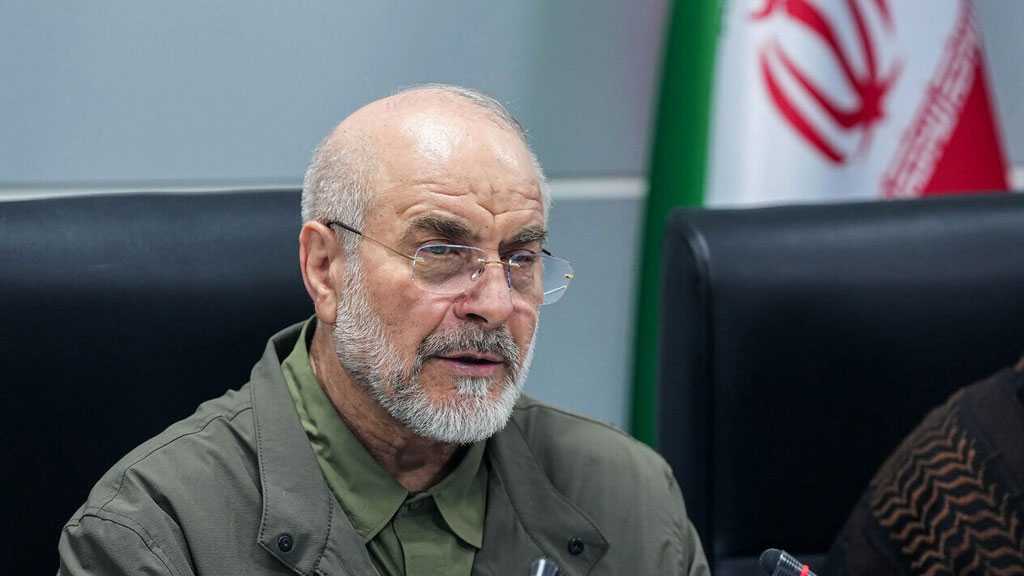
The spokesman of the Islamic Revolution Guards Second Brigadier General Hossein Mohebbi confirmed that “Any new attack on Iran will prompt significant changes in the geography of the war and the weapons used.”
“If another aggression takes place, there will certainly be significant changes in our defense and our counterattack,” Mohebbi said on Monday, adding, “We will definitely change the geography of the war.”
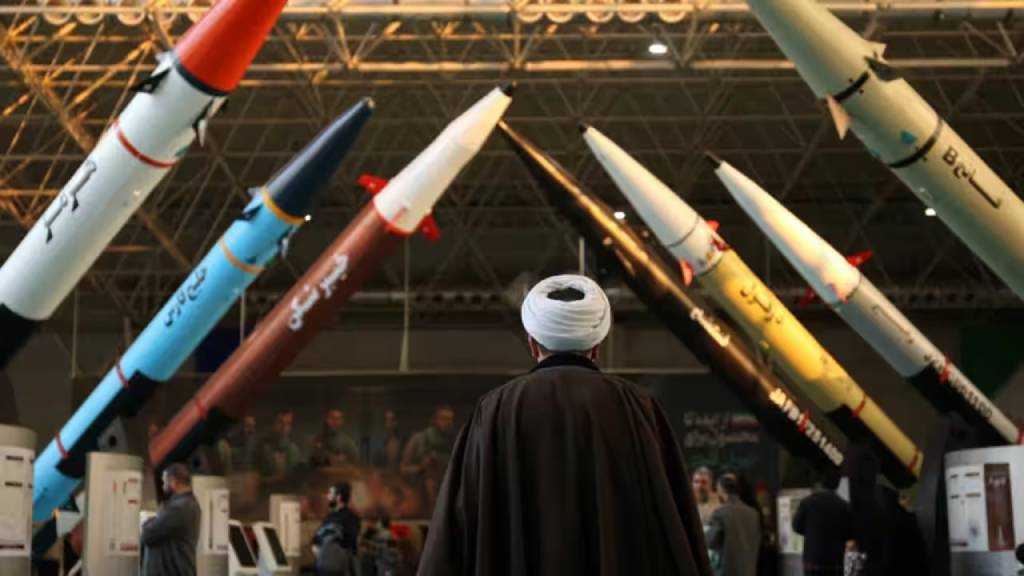
He further stated that Iran would introduce new weapons and military equipment with new capabilities, adding that “the world will be astounded” by them.
Mohebbi also identified several areas in which the United States has suffered strategic defeats in its unprovoked war on the Islamic Republic.
“The United States has been defeated in this war, and its defeat is also a historic and humiliating defeat, but it does not have the courage to admit and accept this defeat,” he added.
In parallel, Mohebbi said Washington has failed to reopen the Strait of Hormuz despite possessing the world’s largest navy and having defined one of the main reasons for its regional and global presence as ensuring energy security and freedom of navigation.
“One of the areas of the United States’ defeat is its failure to reopen the Strait of Hormuz,” he underlined, adding that Washington brought all its capabilities into play but “could not” reopen the waterway after Iran closed it off in response to the joint US-“Israeli” aggression.
He also mentioned that the United States also failed in achieving its declared objective of ensuring the security of energy flows and freedom of navigation, arguing that a country that claimed to be seeking security had instead become “a disruptor of security.”
Mohebbi pointed to US military bases across the region as another liability for Washington.
“The defeat of the United States here was that all the investment it had made to provide security was turned into the opposite of security,” he said, pointing out that the bases came under devastating strikes by the Iranian Armed Forces.
He further expounded on a major intelligence defeat for the Americans. According to Mohebbi, Washington had been portrayed as possessing an advanced and inaccessible intelligence system protected by the latest technologies.
However, he said, Iranian missiles struck US intelligence centers in areas around the Gulf and northern Iraq, demonstrating that such facilities were not beyond reach.
He underscored that Iran had been able to monitor and identify the facilities and attack them, which marked “a major intelligence defeat” for the United States among its rivals and allies.
“These are different from merely failing to achieve an objective,” Mohebbi said, adding that the failures represented a strategic defeat.
Comments
- Related News