- Home
- ISLAMIC RESISTANCE
- SECRETARY-GENERAL
-
Full Speeches
- Speeches-2000
- Speeches-2006
- Speeches-2007
- Speeches-2008
- Speeches-2009
- Speeches-2010
- Speeches-2011
- Speeches-2012
- Speeches-2013
- Speeches-2014
- Speeches-2015
- Speeches-2016
- Speeches-2017
- Speeches-2018
- Speeches-2019
- Speeches-2020
- Speeches-2021
- Speeches-2022
- Speeches-2023
- Speeches-2024
- Speeches-2025
- Speeches-2026
- Speech-Reports
- SG
-
Full Speeches
- Voices
- Ten Day Dawn
- The Biggest Crime
- Martyr Leaders

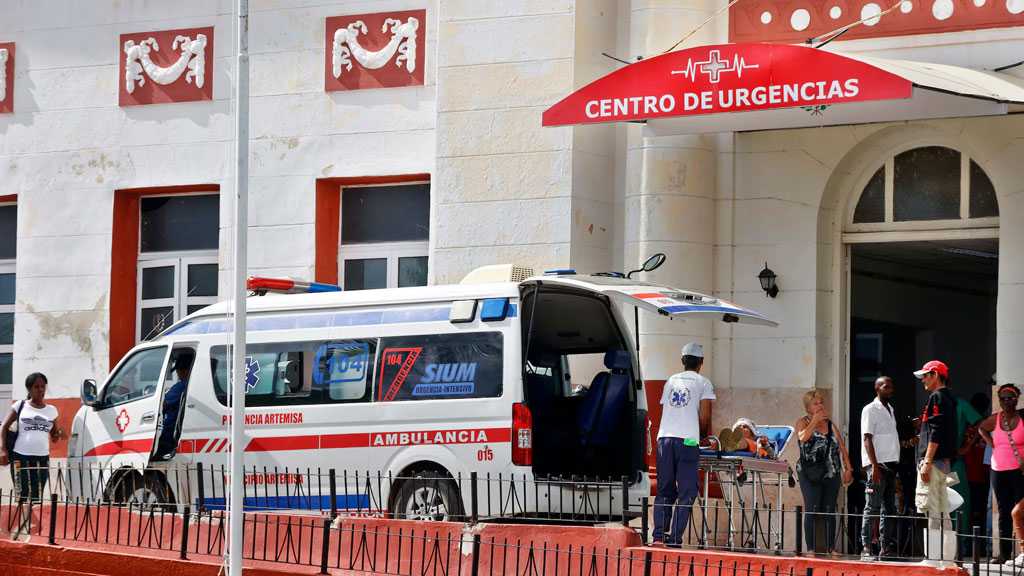
Cuba’s Dengue Cases Surge to Over Nine Times Expected Average Amid Deepening Crisis
By Staff, Agencies
Cuba has reported more than 11,000 dengue cases in 2026, exceeding the expected average by more than ninefold, according to media reports published on Thursday.
The island has recorded a total of 11,235 cases this year, equivalent to 9.2 times the average expected based on data from the previous five years, the Infobae news outlet reported, citing figures from the Global Dengue Observatory.
Cases have risen sharply in recent months, reaching 4,102 in September, up from 3,214 in August. Figures for July, August, and September remain estimates, as Cuban authorities have yet to publish updated official data on the nationwide spread of the disease.
According to the monitoring system, dengue transmission in Cuba is currently at its peak, with October traditionally marking the period of highest incidence.
The surge comes as the country grapples with a worsening energy and fuel crisis that has undermined efforts to contain the mosquito population responsible for transmitting the disease.
Prolonged power outages have forced many families to leave doors and windows open during hot nights, potentially increasing their exposure to mosquitoes, the report said. Meanwhile, fuel shortages have disrupted fumigation campaigns, restricting efforts to control mosquito populations and curb transmission.
The outbreak has been further aggravated by shortages of medicines and laboratory supplies, including drugs used to manage fever and pain, as well as reagents required for blood tests.
In September, Cuba’s Health Ministry acknowledged an increase in dengue and other mosquito-borne diseases but did not release an updated nationwide case count.
Earlier figures from the Global Dengue Observatory showed that Cuba had recorded 7,133 cases by mid-September, equivalent to 7.4 times the expected average for that period.
Dengue is a viral disease transmitted primarily by infected Aedes aegypti mosquitoes. Although most patients recover without serious complications, severe cases can lead to bleeding, shock, and organ damage, potentially requiring hospitalization.
The World Health Organization has identified dengue as one of the fastest-growing mosquito-borne viral diseases worldwide, with infections rising substantially over recent decades.
Comments
- Related News