- Home
- ISLAMIC RESISTANCE
- SECRETARY-GENERAL
-
Full Speeches
- Speeches-2000
- Speeches-2006
- Speeches-2007
- Speeches-2008
- Speeches-2009
- Speeches-2010
- Speeches-2011
- Speeches-2012
- Speeches-2013
- Speeches-2014
- Speeches-2015
- Speeches-2016
- Speeches-2017
- Speeches-2018
- Speeches-2019
- Speeches-2020
- Speeches-2021
- Speeches-2022
- Speeches-2023
- Speeches-2024
- Speeches-2025
- Speeches-2026
- Speech-Reports
- SG
-
Full Speeches
- Voices
- Ten Day Dawn
- The Biggest Crime
- Martyr Leaders

US: Lawmakers Shut out of Gulf Bases As Pentagon Conceals Iran War Losses
By Staff, Agencies
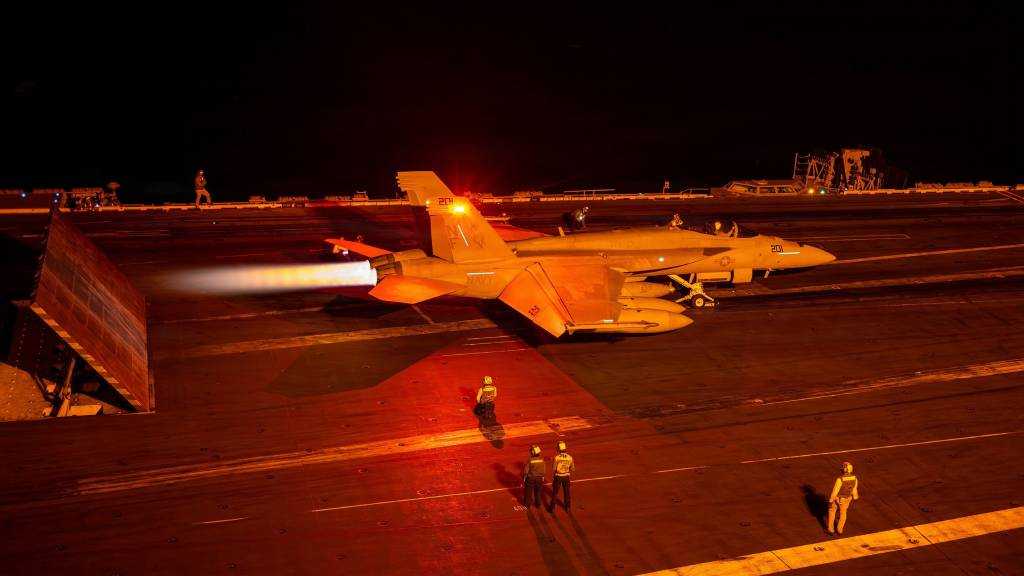
The Pentagon is keeping United States lawmakers out of military bases in the Gulf, as former military officials warn that the restrictions are straining relations between the executive branch and Congress while raising questions about what the department is keeping from view during the war on Iran.
“It smells like a lack of transparency in order to thwart Congressional oversight,” Evelyn Farkas, a former deputy assistant secretary of military and now executive director of the McCain Institute at Arizona State University, told Fortune.
Senator Chris Murphy, a Connecticut Democrat who sits on the Appropriations Committee, was denied access to Al-Udeid Air Base in Qatar last month and was also refused a meeting with military leaders. Murphy, who said he had never been refused access to a military facility in his time in Congress, described a "coordinated, deliberate campaign" by the War Department to hide the consequences and cost of the war.
The lawmaker sought to assess damage from Iranian strikes at the base, which hosted around 10,000 US troops, and raised the matter with US military Central Command chief Admiral Brad Cooper. Murphy said Cooper did not appear to support the policy but could not change Secretary of War Pete Hegseth's mind, The Hill reported.
Senator Joni Ernst, an Iowa Republican, a US Army veteran, and a member of the Armed Services Committee, was turned away from a base visit around the same time. Ernst did not respond to Fortune's request for comment.
The Pentagon told Military.com that Murphy's office was informed before the trip that he would receive no support to reach Al-Udeid, in line with a directive Hegseth issued on March 3. That memo, which remains in effect, says no department support is available for congressional travel to the Central Command region without his approval. The Pentagon has cited operational security for other restrictions as well.
Hegseth has sharply reduced routine press briefings, and the department refused to provide information to the Congressional Budget Office ahead of its September update on the cost of the war, which forced the agency to rely on public reporting.
Meanwhile, the Pentagon puts the war's operational and munitions replacement costs at roughly $48 billion as of mid-November, and the administration has requested an additional $67 billion in funding. These figures do not account for the extensive damage that US bases and assets have been subjected to as a result of Iranian retaliatory strikes.
Farkas, who spent eight years on the staff of the Senate Armed Services Committee and joined congressional delegations to the Gulf, said such trips are a normal part of oversight even during active fighting.
She recalled that following the 2003 invasion of Iraq, a delegation to the region saw armored vehicles that could not withstand roadside bombs, which led Congress to push for more production of better-protected models.
US lawmakers have toured military sites in wartime since at least 1943, when five senators spent 65 days inspecting bases around the world. Visits grew during and after the US war on Vietnam, when returning members and journalists told a different story from the official account.
Comments
- Related News