Iran Rejects US Ceasefire Proposal Lacking Guarantees Against Further Aggression
By Staff, Agencies
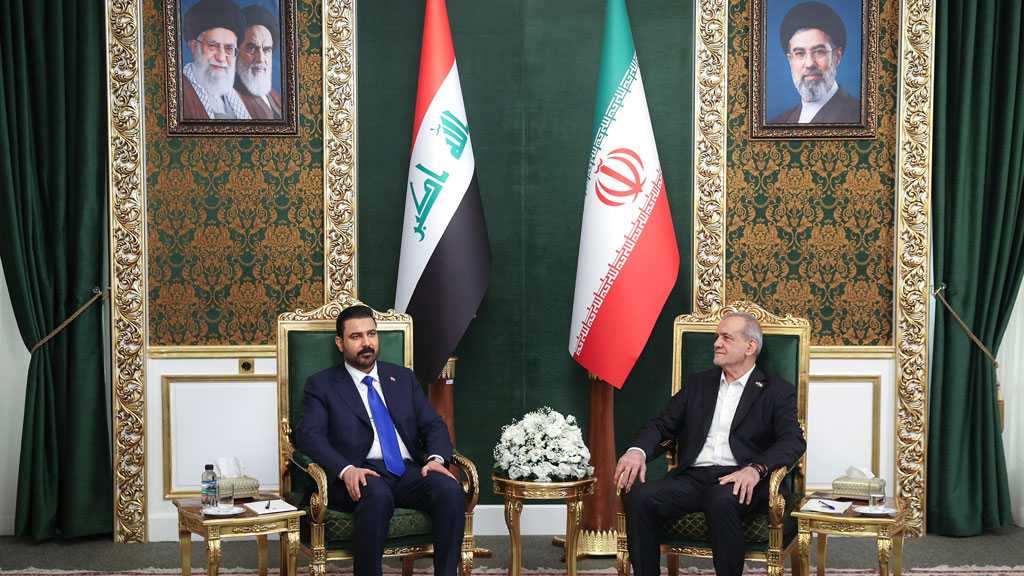
Iran rejected a ceasefire proposal delivered on Thursday by Iraqi Prime Minister Ali Al-Zaidi on behalf of US President Donald Trump, declining what it viewed as a temporary arrangement that offered no guarantees against renewed US aggression, The New York Times reported, citing Iranian and Iraqi officials.
The development comes as Trump continues to threaten further escalation, including possible strikes on Iran’s critical infrastructure.
According to Iranian and Iraqi officials who spoke to The New York Times on condition of anonymity due to the sensitivity of the discussions, Al-Zaidi’s visit to Tehran followed his recent meeting with Trump at the White House.
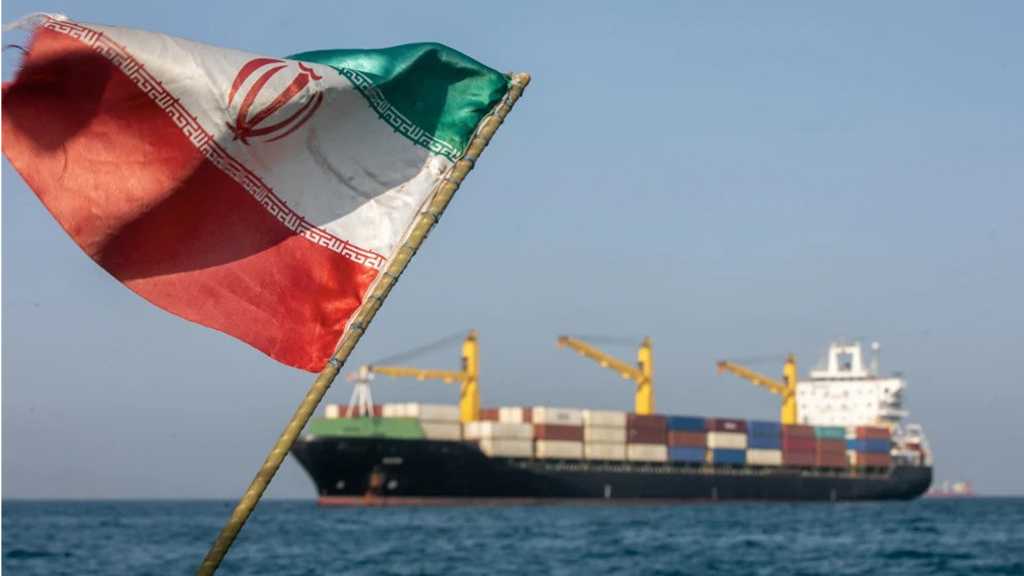
Iranian officials said the precise details of the proposal were not immediately known but described it as the only ceasefire initiative currently under consideration. They stressed that Tehran was unwilling to accept a temporary agreement that failed to address key strategic concerns, including the issue of control over the Strait of Hormuz and the absence of binding guarantees preventing future US military action.
Iran maintains that repeated US actions have established a pattern of abandoning agreements and using negotiations as a tactical instrument rather than as a basis for lasting commitments. Iranian officials frequently point to Washington’s 2018 withdrawal from the Joint Comprehensive Plan of Action [JCPOA], despite international inspectors verifying Iran’s compliance at the time, as evidence that US commitments can be reversed with changes in political leadership.
Tehran also argues that promised sanctions relief has often been delayed, restricted, or replaced by new punitive measures, reinforcing what it describes as a strategy of pairing diplomatic engagement with continued economic and military pressure. From Iran’s perspective, accepting new US proposals without concrete and enforceable guarantees would risk repeating past experiences in which Iran fulfilled its commitments while the promised reciprocal benefits failed to materialize. Iranian leaders therefore insist that trust must be established through verifiable actions rather than diplomatic assurances.
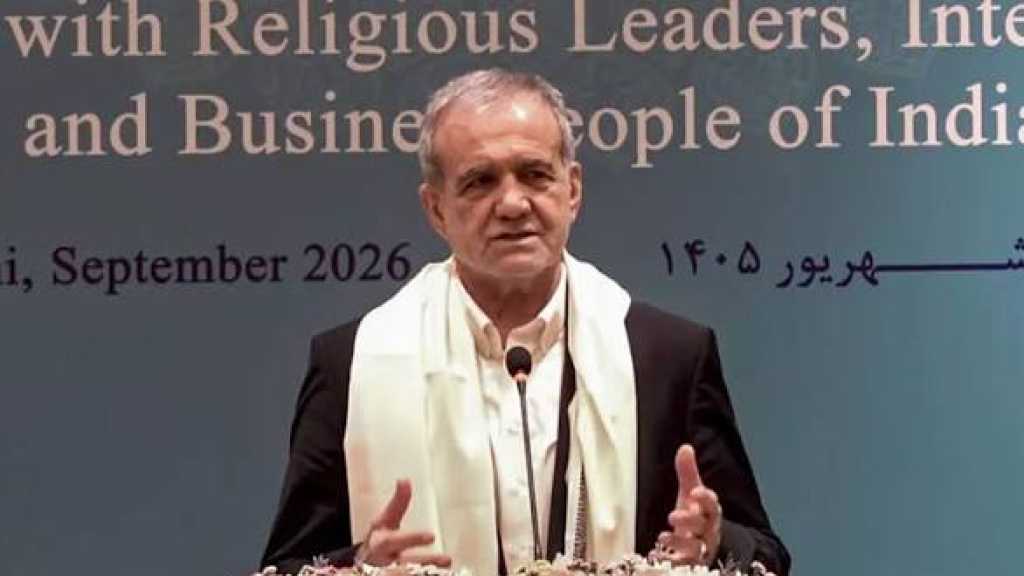
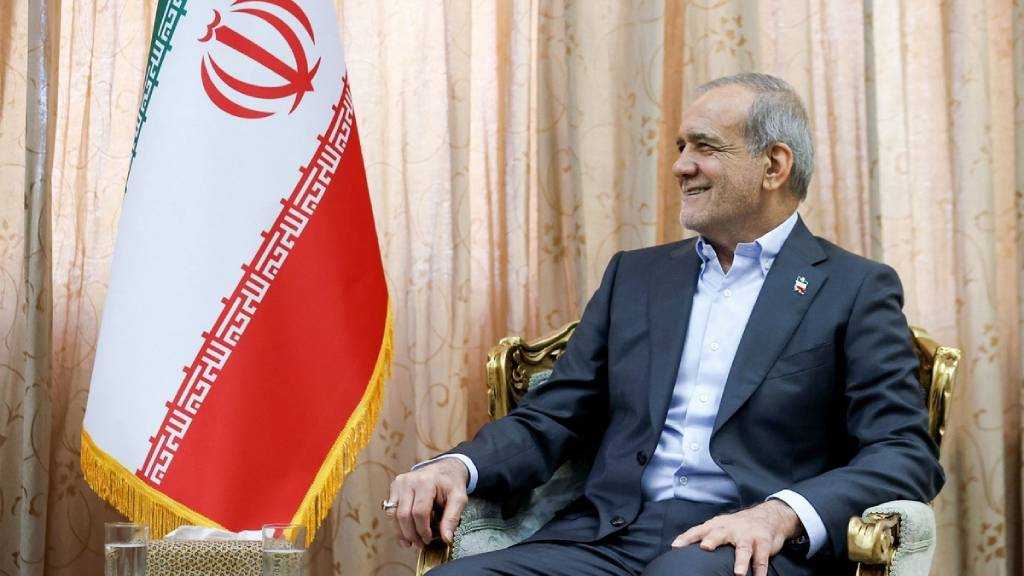
Al-Zaidi reportedly arrived in Tehran with a delegation of senior Iraqi officials and held talks with President Masoud Pezeshkian, Iran’s chief negotiator Brig. Gen. Mohammad Bagher Ghalibaf, and Foreign Minister Abbas Araghchi.
Speaking to Iranian state television, Araghchi said Iran and Iraq enjoy extensive economic, political, and security ties, adding that the Iraqi prime minister’s visit was particularly significant given the current regional situation.
Araghchi said al-Zaidi had shared his “views and impressions” from meetings in Washington but emphasized that communication channels between Tehran and Washington were not the core issue.
“The problem is not passing messages,” Araghchi said. “The problem is America’s outlook, which is illogical, greedy, and controlling.”
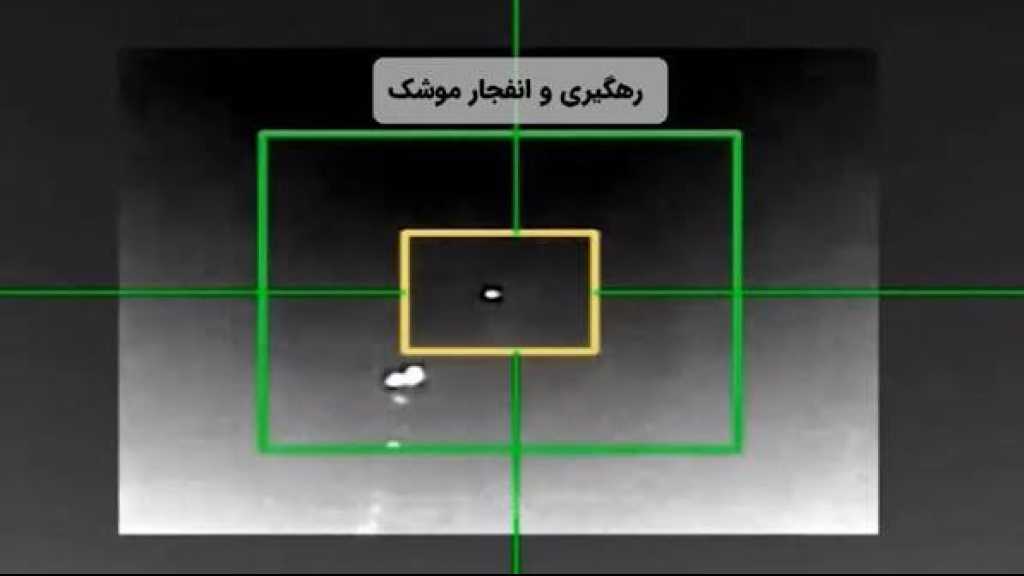
Tensions between Iran and the United States have continued to escalate in recent weeks, with US forces carrying out attacks on Iranian infrastructure, including railways, airports, bridges and seaports. Iran has responded with retaliatory ballistic missile and drone strikes targeting US military positions across West Asia.
Iran has repeatedly stated that US military bases and economic facilities in the Gulf region have been used to launch attacks against the Islamic Republic, including operations that have resulted in civilian casualties. On that basis, Tehran maintains that any action against such facilities constitutes legitimate retaliation against military aggression originating from or facilitated by those bases.
Two Iranian officials told The New York Times that Iran’s armed forces are preparing for the possibility of a broader conflict should President Donald Trump carry out his threats to strike Tehran or the country’s critical infrastructure.
According to the officials, any further US aggression would prompt Iran to widen its response across the region, including by targeting "Tel Aviv" and coordinating with its Yemeni allies to close the Bab Al-Mandab Strait, one of the world’s most strategically important maritime corridors.
Meanwhile, in a display of national unity and resistance against US aggression, thousands of supporters gathered in Tehran’s Azadi Square on Thursday to express their support for the country’s leadership and armed forces. During the gathering, a military vehicle carrying Iranian-made ballistic missiles was displayed as demonstrators reaffirmed their backing for Iran’s defense capabilities.
Comments