- Home
- ISLAMIC RESISTANCE
- SECRETARY-GENERAL
-
Full Speeches
- Speeches-2000
- Speeches-2006
- Speeches-2007
- Speeches-2008
- Speeches-2009
- Speeches-2010
- Speeches-2011
- Speeches-2012
- Speeches-2013
- Speeches-2014
- Speeches-2015
- Speeches-2016
- Speeches-2017
- Speeches-2018
- Speeches-2019
- Speeches-2020
- Speeches-2021
- Speeches-2022
- Speeches-2023
- Speeches-2024
- Speeches-2025
- Speeches-2026
- Speech-Reports
- SG
-
Full Speeches
- Voices
- Ten Day Dawn
- The Biggest Crime
- Martyr Leaders

Trump Fails To Dictate Fed Policy As Warsh Backs Rate Hike
By Staff, Agencies
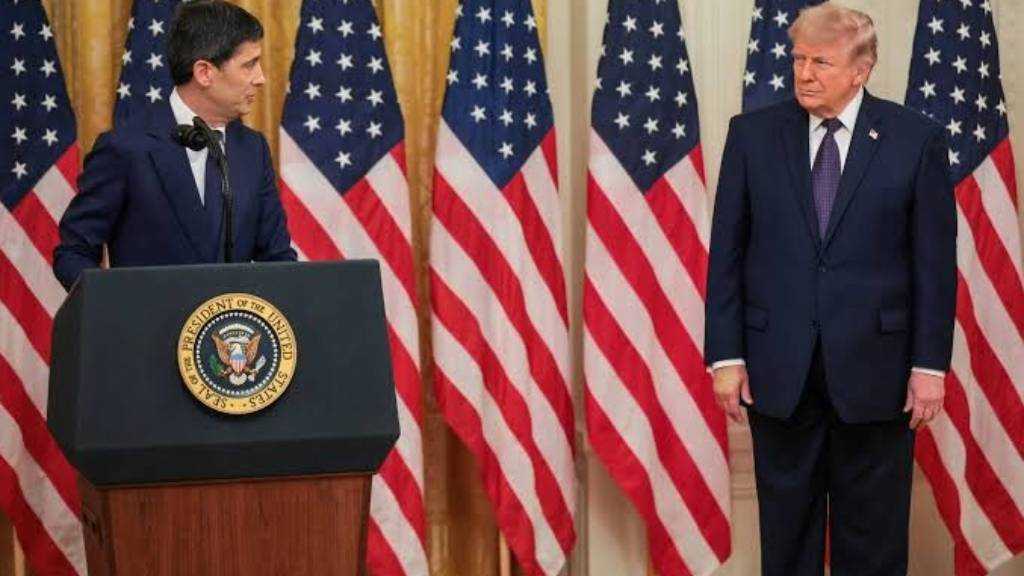
Federal Reserve Chair Kevin Warsh has signaled that he will not simply follow President Donald Trump’s demands, leading all 12 members of the Federal Open Market Committee to support a quarter-point rate increase—the first hike since 2023.
Trump had selected Warsh believing he “certainly wants to cut rates,” but Warsh said inflation remained too high and had persisted for too long, adding that he would be “hard pressed” to describe current rates as restrictive.
Fed projections indicate further tightening could follow, with most officials expecting at least one more hike this year.
Trump responded by insisting on Truth Social that rates should be 1% or lower, citing what he called America’s “Best Credit in the World.”
He later appeared to acknowledge his limited influence, saying he had advised Warsh to “vote with the board because it’s just not going to matter,” while blaming what he called a “very hostile” board.
Analysts said continued attacks on the Fed could instead highlight the limits of Trump’s influence over monetary policy.
Meanwhile, economists cited by the Financial Times linked much of the inflationary pressure to the administration’s own policies.
The Fed’s preferred PCE inflation gauge stands at 3.7%, well above its 2% target. Former Fed official Claudia Sahm pointed to tariffs and the US war on Iran as key drivers, while Brown University professor Jeff Colgan described the inflation confronting the Fed as a problem created by Trump’s policies.
A Brown University tracker cited by the newspaper estimates that rising fuel prices have cost US households an additional $108 billion since the war on Iran began.
Against this backdrop, Iranian Parliament Speaker Mohammad Baqer Qalibaf mocked the Fed’s rate-setting framework by modifying the Taylor rule to include the Strait of Hormuz and Bab al-Mandab.
His formulation assigned positive coefficients to the two waterways, suggesting that restrictions around them could increase inflationary pressure and force higher US interest rates.
Qalibaf argued that the risk premium associated with the straits gives Iran leverage over the conditions shaping US monetary policy.
The Fed decision also affected financial markets, with the dollar gaining around 0.7% against a basket of currencies and two-year Treasury yields reaching 4.74% before easing to 4.71%. Thirty-year yields also declined after the decision restored some investor confidence in Warsh’s independence.
The Fed’s next decision is scheduled for late October, shortly before the midterm elections. While another hike is considered less likely at that meeting, markets are already pricing in at least one additional increase before the end of the year.
Comments
- Related News
Trump Fails To Dictate Fed Policy As Warsh Backs Rate Hike
44 minutes ago