- Home
- ISLAMIC RESISTANCE
- SECRETARY-GENERAL
-
Full Speeches
- Speeches-2000
- Speeches-2006
- Speeches-2007
- Speeches-2008
- Speeches-2009
- Speeches-2010
- Speeches-2011
- Speeches-2012
- Speeches-2013
- Speeches-2014
- Speeches-2015
- Speeches-2016
- Speeches-2017
- Speeches-2018
- Speeches-2019
- Speeches-2020
- Speeches-2021
- Speeches-2022
- Speeches-2023
- Speeches-2024
- Speeches-2025
- Speeches-2026
- Speech-Reports
- SG
-
Full Speeches
- Voices
- Ten Day Dawn
- The Biggest Crime
- Martyr Leaders

US Diplomats Walk Out of UN Meeting After France Criticizes Trump Rights Record
By Staff, Agencies
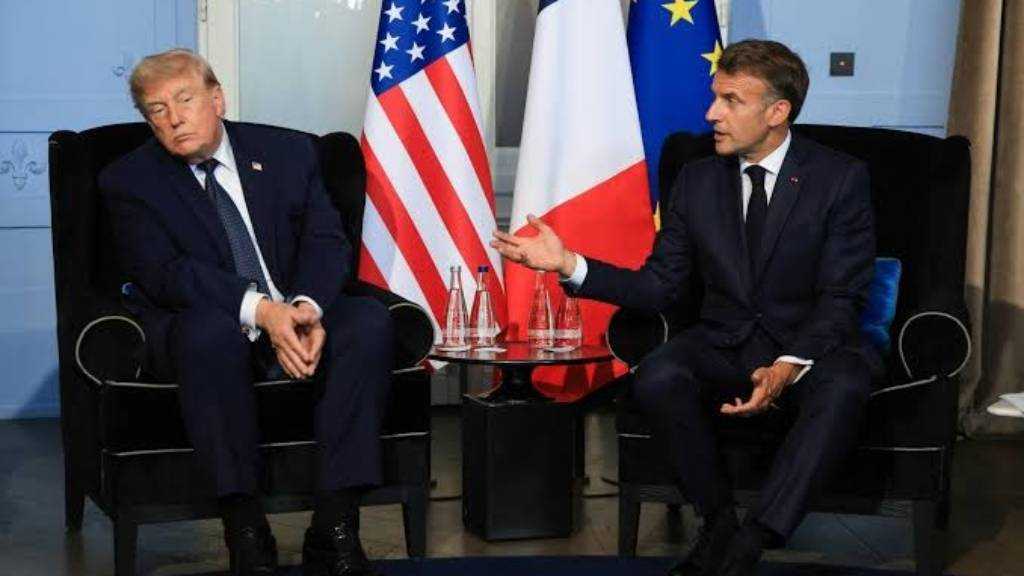
US diplomats walked out of a United Nations Security Council meeting on Monday after France criticized the United States' human rights record under President Donald Trump.
The incident followed the Trump administration's decision to impose sweeping tariffs on dozens of countries, citing allegations of forced labor. Critics argued the claims were being used as a pretext to justify the new trade measures.
Meanwhile, tensions escalated after Washington opposed the reappointment of UN High Commissioner for Human Rights Volker Turk and questioned the credibility of the UN human rights system.
In response, France's UN mission in Geneva posted on social media that the US was no longer "a beacon of human rights," adding that it had become increasingly isolated.
“#AmericaAlone,” it added.
Previously, Turk had expressed concern over the direction of US policies under Trump and called for independent investigations into deaths in US immigration detention facilities.
Despite opposition from the US and several other countries, his reappointment was approved with the backing of 144 UN member states.
Responding to France's criticism, US Ambassador Mike Waltz accused Paris of supporting officials who criticized democratic countries while overlooking abuses elsewhere.
During Monday's meeting, US Deputy Ambassador Dan Negrea defended Washington's record and said the US delegation would no longer listen to what he described as France's "politicized" remarks.
For its part, France reaffirmed its commitment to the UN's principles of peace, human rights, and international cooperation, without directly addressing the US walkout.
The diplomatic dispute came as Trump's tariff policy faced criticism from both political parties in the US, with opponents arguing that allegations of forced labor should not be used to justify broad trade restrictions.
Comments
- Related News