- Home
- ISLAMIC RESISTANCE
- SECRETARY-GENERAL
-
Full Speeches
- Speeches-2000
- Speeches-2006
- Speeches-2007
- Speeches-2008
- Speeches-2009
- Speeches-2010
- Speeches-2011
- Speeches-2012
- Speeches-2013
- Speeches-2014
- Speeches-2015
- Speeches-2016
- Speeches-2017
- Speeches-2018
- Speeches-2019
- Speeches-2020
- Speeches-2021
- Speeches-2022
- Speeches-2023
- Speeches-2024
- Speeches-2025
- Speeches-2026
- Speech-Reports
- SG
-
Full Speeches
- Voices
- Ten Day Dawn
- The Biggest Crime
- Martyr Leaders

Gulf Divided, UAE Supports Tougher Trump Line on Iran
By Staff, Agencies
Several Gulf states have urged US President Donald Trump to prioritize dialogue with Iran over further aggression, as regional mediators work to preserve a diplomatic track amid escalating tensions, sources told The Wall Street Journal [WSJ].
Trump postponed a planned strike on Iran after Gulf officials pressed Washington to avoid further escalation and pursue negotiations with Tehran.
The move followed Trump’s announcement that he had called off the strikes, temporarily easing tensions between Washington and Tehran after weeks of war.
The US president has repeatedly shifted between threatening further attacks against Iran and signaling that a diplomatic agreement could still be reached.
WSJ reports that Qatari mediators presented Tehran with a proposal aimed at reopening the Strait of Hormuz, which includes new arrangements for maritime traffic through the strategic waterway, which remains central to the wider confrontation due to its importance for global energy shipments.
Tehran, however, stated that the US-backed Qatari proposal to reopen the strategic waterway is false.
"There is no agreement regarding the reopening of the Strait of Hormuz", Iran said according to a Fars News Agency report on Sunday, rejecting circulating claims that it asked for a deal and agreed to reopen the Strait of Hormuz.
Saudi Arabia has emerged as one of the key voices calling for de-escalation, with Crown Prince Mohammed bin Salman urging Trump to pursue dialogue and avoid a broader war.
Saudi officials told WSJ diplomatic efforts could help preserve regional stability and prevent consequences that would extend beyond the immediate confrontation.
Behind the scenes, Gulf governments have expressed frustration over what they view as an unclear US strategy, particularly as prolonged hostilities have exposed their territories to potential retaliation.
Several Gulf states have requested additional air-defense support from Washington and guarantees that US forces would protect them if the confrontation continues.
Earlier, Iranian Foreign Minister Abbas Araghchi warned regional counterparts that Tehran would respond forcefully to any US or "Israeli" attack, while Iranian officials said any escalation would prompt a broader response targeting the source of the aggression beyond the Gulf.
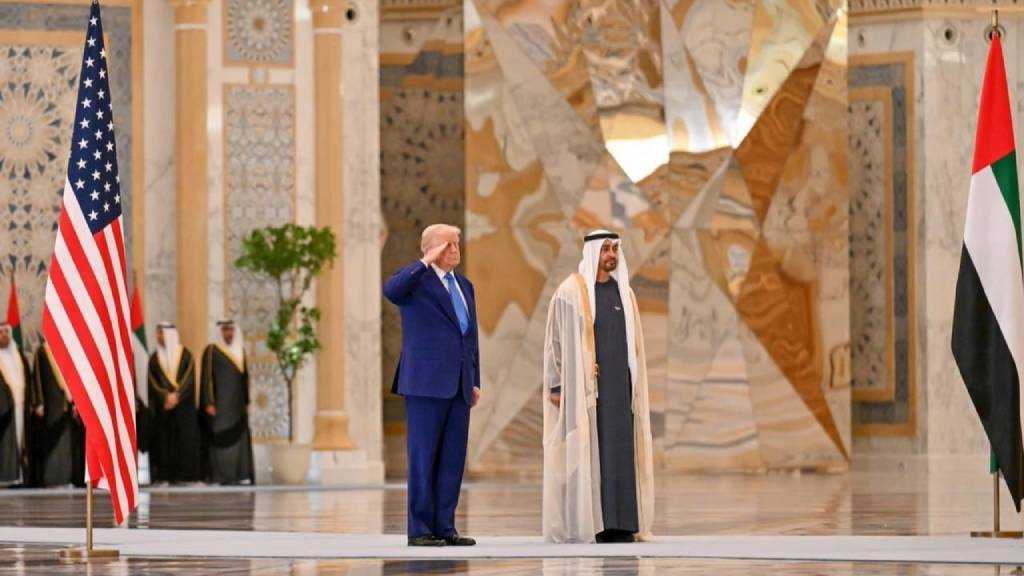
Gulf states remain divided on Iran, with some urging restraint while the UAE reportedly backs a tougher US stance. The split reflects concerns that further escalation could trigger Iranian retaliation, threatening regional energy infrastructure and widening the war.
Comments
- Related News