- Home
- ISLAMIC RESISTANCE
- SECRETARY-GENERAL
-
Full Speeches
- Speeches-2000
- Speeches-2006
- Speeches-2007
- Speeches-2008
- Speeches-2009
- Speeches-2010
- Speeches-2011
- Speeches-2012
- Speeches-2013
- Speeches-2014
- Speeches-2015
- Speeches-2016
- Speeches-2017
- Speeches-2018
- Speeches-2019
- Speeches-2020
- Speeches-2021
- Speeches-2022
- Speeches-2023
- Speeches-2024
- Speeches-2025
- Speeches-2026
- Speech-Reports
- SG
-
Full Speeches
- Voices
- Ten Day Dawn
- The Biggest Crime
- Martyr Leaders

FT: US-Japan Yen Intervention Raises Questions Over Dollar Reserve Dominance
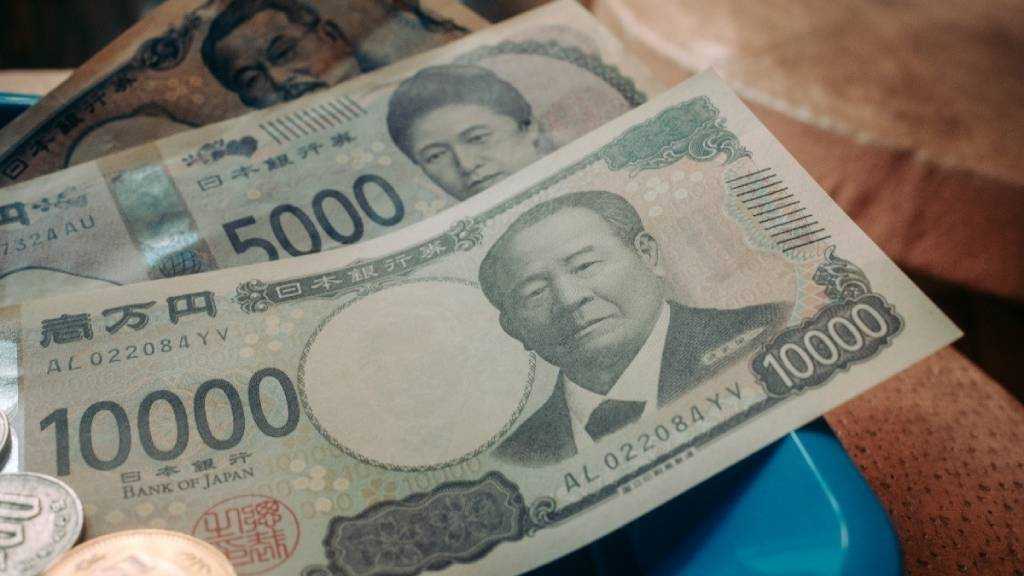
By Staff, Agencies
A coordinated move by the United States and Japan to support the yen has raised concerns over the resilience of the dollar-based global reserve system, according to a Financial Times analysis.
The intervention, conducted last week by the US Treasury and Japan’s Finance Ministry, marked their first joint currency operation in more than 15 years.
Japanese authorities reportedly spent around ¥14 trillion [$88 billion] over two days to strengthen the yen, though analysts said the impact may be temporary without broader economic changes.
Currency intervention allows Japan’s authorities to buy yen and related assets to support the currency, but investors can counter the move by selling yen-based assets if they see no improvement in economic fundamentals.
A lasting recovery of the yen would likely require tighter monetary policy, though the Bank of Japan has kept its benchmark interest rate at 1% amid concerns over weak consumer demand.
Meanwhile, the FT highlighted Washington’s role in the operation, noting that the US Treasury avoided selling dollars and instead used euros to help support the yen.
The move came as the US Treasury market faced pressure, with Washington seeking to avoid adding further strain through additional sales of US debt.
Japan also announced plans to use the Federal Reserve’s FIMA facility, allowing foreign central banks to access dollar liquidity using US Treasury holdings as collateral rather than selling the securities.
The report said the use of these mechanisms reflects growing sensitivity in Washington over large-scale sales of US Treasuries and raises wider questions about the dollar’s status as the world’s dominant reserve currency.
Traditionally, central banks have held large dollar reserves because US Treasury markets are viewed as highly liquid and reliable.
However, the latest intervention suggested that concerns over the impact of Treasury sell-offs may be weakening the appeal of dollar assets.
The FT analysis said the move could encourage central banks to accelerate efforts to diversify reserves into other currencies and assets, warning that the dollar may no longer hold the same appeal it once did as a global reserve currency.
Comments
- Related News