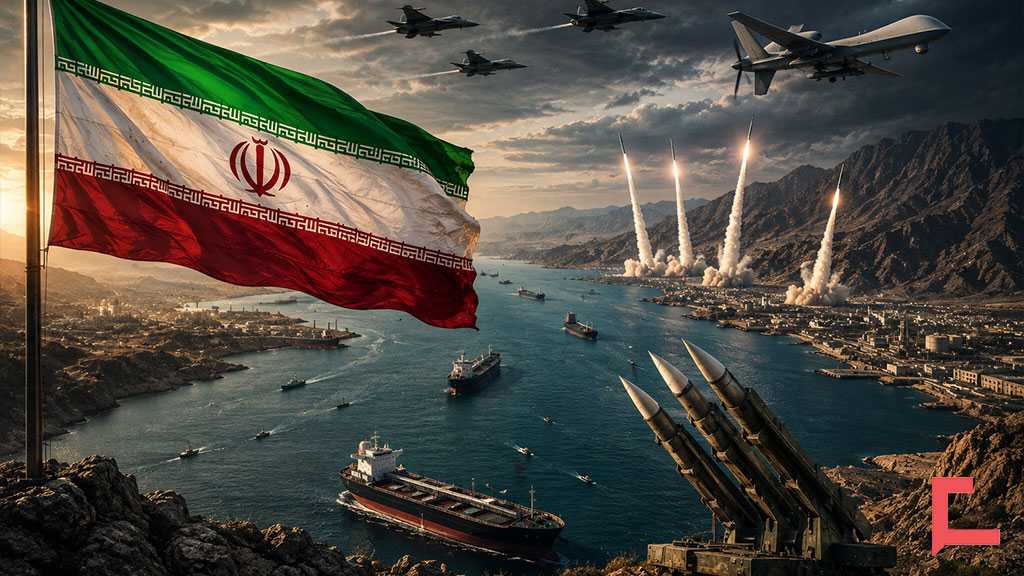
Washington Blinked: Iran and Ansarullah Seized the Strategic Advantage
By Mohamad Hammoud
When Saudi Crown Prince Mohammed bin Salman called President Donald Trump twice in one day seeking direct American strikes against Ansarullah, known as the Houthis, he was testing Washington’s security guarantees when they mattered most. According to Reuters, confirming earlier reporting by Axios, Trump rejected military intervention and offered intelligence support instead, leaving Saudi Arabia to manage the crisis. Washington may call that restraint, but to governments that built their defenses around American protection, it looked like abandonment.
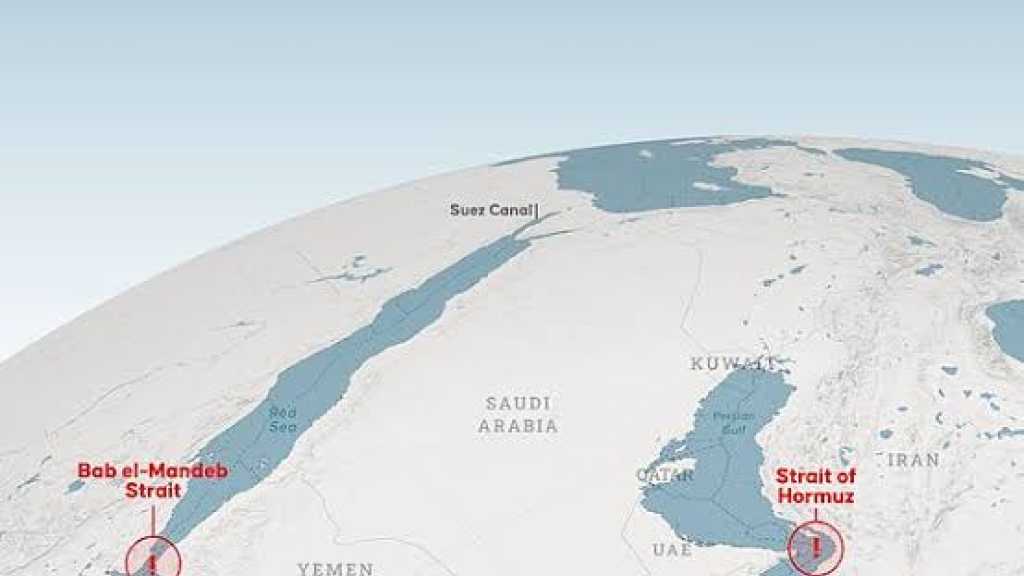
The refusal became more consequential as Ansarullah captured Mokha and extended its control across Perim, Zuqar and the Hanish islands near the Bab el-Mandeb Strait. The United States has long portrayed itself as the indispensable guardian of Gulf stability and freedom of navigation. Yet when a regional resistance movement secured positions overlooking a vital maritime corridor, Washington limited its commitment. American protection, it turned out, remained dependable only while providing it carried an acceptable price.
A Coalition Defeated from Within
Iranian assistance strengthened Ansarullah, but it does not alone explain the movement’s rapid advance. The deeper cause was the political decay of the coalition opposing it. Saudi Arabia and the United Arab Emirates spent years backing competing Yemeni factions with conflicting ambitions, producing divided loyalties, overlapping commands and vulnerable defensive lines.
That fragmentation transformed a military challenge into a strategic collapse. As Foreign Affairs reported, Ansarullah forces routed Saudi-backed units along Yemen’s Red Sea coast and captured Mokha, gaining momentum to expand onto nearby islands. Their success was not simply the product of Iranian power; it reflected Ansarullah’s military development and the predictable consequences of an opposing alliance whose members never built a coherent political or military project. By the time officials arrived in Riyadh for emergency consultations, intelligence sharing could not repair what years of regional rivalry had broken.
Riyadh’s Strategic Dilemma
Saudi Arabia now faces two difficult options. A major counteroffensive could produce heavier missile and drone exchanges involving its cities and energy network, widening a conflict Riyadh may be unable to control. Restraint, however, would amount to recognizing that Ansarullah—and, indirectly, Tehran—has acquired lasting influence over the kingdom’s Red Sea calculations.
That vulnerability became unmistakable after drones launched from Iraq struck Saudi Arabia’s East-West pipeline. According to Reuters, Riyadh temporarily shut the 1,200-kilometer conduit that had enabled Saudi crude to bypass disrupted shipping through the Strait of Hormuz. No group had publicly claimed responsibility, making direct attribution unjustified, but the incident demonstrated how exposed Saudi export alternatives had become. Proposed security arrangements with Turkey and Pakistan remain too undeveloped to replace the American military umbrella, leaving Riyadh caught between escalation and accommodation.
The Dual-Strait Balance
The consequences extend far beyond Saudi Arabia. Iran already possesses enormous leverage around the Strait of Hormuz, where Reuters reported that weekend shipping remained far below prewar levels. Ansarullah’s control of territory and islands near Bab el-Mandeb now places a movement allied with Tehran beside a second maritime artery. Together, these positions have created a dual-strait balance affecting routes essential to international energy markets.
This does not mean Tehran or Ansarullah must close either passage to make their influence felt. American naval power and the possibility of international escalation still shape their calculations. Yet physical closure is unnecessary. Their demonstrated ability to influence maritime security can raise insurance premiums, redirect tanker traffic and force global powers to consider regional demands they previously dismissed. The West retains considerable firepower, but Iran and Ansarullah possess a different kind of strength: the ability to influence global commerce and diplomacy without having to win a conventional war.
A New Maritime Reality
The fall of Yemen’s Red Sea positions exposes the failure of a regional order built on fractured local alliances and conditional American guarantees. Ansarullah converted battlefield gains into international bargaining power, while Tehran acquired greater leverage without deploying a conventional fleet to control the Red Sea. Saudi Arabia, meanwhile, discovered that expensive American weapons do not necessarily provide American protection.
Global powers can still contest this emerging order, but they can no longer assume military superiority allows them to dictate the terms of passage. Any durable settlement must recognize the forces that control the coastline.