- Home
- ISLAMIC RESISTANCE
- SECRETARY-GENERAL
-
Full Speeches
- Speeches-2000
- Speeches-2006
- Speeches-2007
- Speeches-2008
- Speeches-2009
- Speeches-2010
- Speeches-2011
- Speeches-2012
- Speeches-2013
- Speeches-2014
- Speeches-2015
- Speeches-2016
- Speeches-2017
- Speeches-2018
- Speeches-2019
- Speeches-2020
- Speeches-2021
- Speeches-2022
- Speeches-2023
- Speeches-2024
- Speeches-2025
- Speeches-2026
- Speech-Reports
- SG
-
Full Speeches
- Voices
- Ten Day Dawn
- The Biggest Crime
- Martyr Leaders

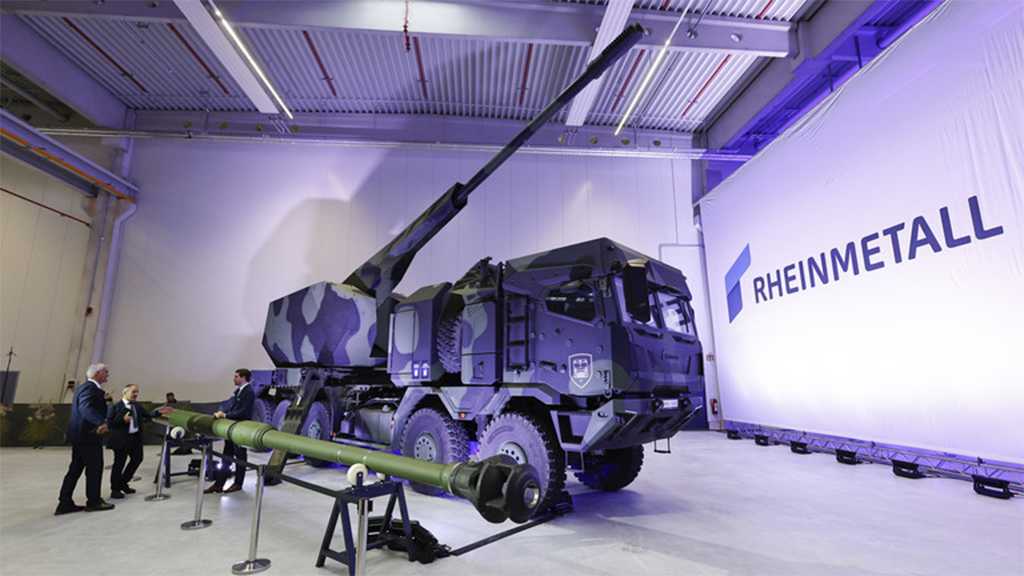
Rheinmetall Revenue Jumps as European Defense Spending Rises
By Staff, Agencies
German arms manufacturer Rheinmetall has reported a nearly 70% increase in second-quarter revenue and more than doubled its operating profit as rising European military spending continues to drive demand for defense equipment.
European defense companies have benefited from the Ukraine conflict as Kiev's Western backers continue supplying weapons while expanding their own military capabilities. Rheinmetall, Europe's largest defense contractor, has seen its share price rise more than tenfold over the past six years.
The company manufactures a wide range of military equipment supplied to Ukraine, including tanks, armored vehicles, artillery shells, and ammunition.
According to Rheinmetall's financial report released on Thursday, new orders surged to €11.37 billion in the second quarter from €1.98 billion a year earlier, increasing its order backlog to a record €80.47 billion.
Quarterly revenue rose to €3.29 billion from €1.95 billion, while operating profit more than doubled to €562 million. Net profit, however, declined slightly to €124 million from €130 million.
Despite the strong quarterly results, Rheinmetall lowered its 2026 sales forecast to between €13.7 billion and €14.2 billion after Germany canceled the planned €15.2 billion F126 frigate program in favor of TKMS's MEKO A-200 warships.
"Demand remains strong, and we continue to succeed in securing major orders both at home and abroad," CEO Armin Papperger said.
Germany has become Ukraine's second-largest arms supplier after the United States and has significantly expanded its long-term defense commitments.
Berlin has amended its constitutional debt rules to exempt much of its defense spending from borrowing limits, paving the way for increased military investment.
The German government plans to raise defense spending to approximately €82.7 billion in 2026 and gradually increase it to 3.5% of GDP by 2029 in line with NATO targets, amid continued US pressure for European allies to assume a greater share of the alliance's defense burden.
Berlin has also reaffirmed its commitment to continued military support for Ukraine despite signs of declining public support for expanding military assistance to Kiev.
Comments
- Related News