- Home
- ISLAMIC RESISTANCE
- SECRETARY-GENERAL
-
Full Speeches
- Speeches-2000
- Speeches-2006
- Speeches-2007
- Speeches-2008
- Speeches-2009
- Speeches-2010
- Speeches-2011
- Speeches-2012
- Speeches-2013
- Speeches-2014
- Speeches-2015
- Speeches-2016
- Speeches-2017
- Speeches-2018
- Speeches-2019
- Speeches-2020
- Speeches-2021
- Speeches-2022
- Speeches-2023
- Speeches-2024
- Speeches-2025
- Speeches-2026
- Speech-Reports
- SG
-
Full Speeches
- Voices
- Ten Day Dawn
- The Biggest Crime
- Martyr Leaders

Hormuz Traffic Plunges To Six Ships As US-Iran Deal Hopes Fade
By Staff, Agencies
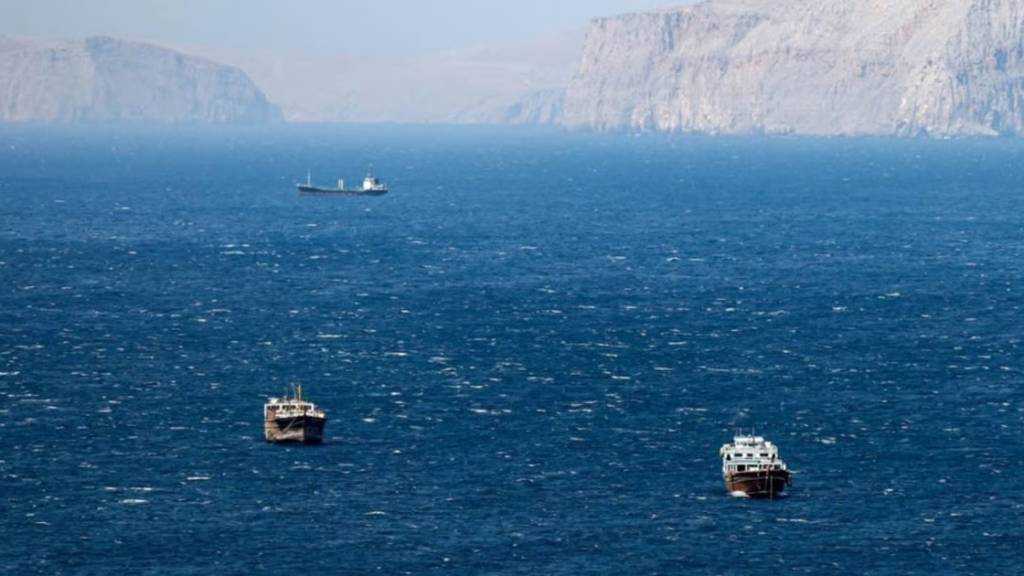
Shipping traffic through the Strait of Hormuz fell to six vessels Monday, down from a 10-day average of about 11, as hopes for a United States-Iran peace deal continue to fade.
Data from Kpler showed on Tuesday as of 0420 GMT that four commodity vessels, including two empty oil product tankers, entered the waterway.
Two vessels exited the Strait, comprising a small tanker laden with liquefied petroleum gas and another carrying residual fuels, the data showed.
In pre-war conditions, typical transit traffic through the Strait ranged from about 130 to 140 ships.
Separately, Kpler data showed that on Monday, 25 vessels transited the Bab al-Mandab Strait on the Red Sea, a figure broadly unchanged from the 10-day average of nearly 24 ships.
This comes as Iran continues to strengthen its grip on the essential waterway, in response to the continued US aggression against it.
On Saturday, Mohammad Baqer Zolghadr, the political advisor to Iran's Leader, said that the Strait of Hormuz will remain closed unless the United States changes its conduct toward Iran.
Zolghadr outlined several conditions that Tehran considers necessary for Washington to correct its conduct, including a commitment to never threaten Iran "in any language, and never insulting the sacred values of this nation."
"Ending the war and aggression against Iran and its allies in Lebanon, Palestine, Yemen, and Iraq, permanently," Zolghadr added.
Additional conditions include lifting the naval blockade and withdrawing US military forces, both naval and air, from around Iran; paying, without any reduction or compromise, compensation for the two aggressive wars imposed on Iran; lifting the unjust and illegal sanctions imposed on the Iranian people; and releasing, unconditionally, the assets of the Iranian people that have been frozen and stolen.
"These are the demands of the Iranian people, which they have chanted for 160 days during their presence in the streets and squares," he added.
"The Supreme National Security Council will never back down, neither in war nor in negotiations."
Comments
- Related News