- Home
- ISLAMIC RESISTANCE
- SECRETARY-GENERAL
-
Full Speeches
- Speeches-2000
- Speeches-2006
- Speeches-2007
- Speeches-2008
- Speeches-2009
- Speeches-2010
- Speeches-2011
- Speeches-2012
- Speeches-2013
- Speeches-2014
- Speeches-2015
- Speeches-2016
- Speeches-2017
- Speeches-2018
- Speeches-2019
- Speeches-2020
- Speeches-2021
- Speeches-2022
- Speeches-2023
- Speeches-2024
- Speeches-2025
- Speeches-2026
- Speech-Reports
- SG
-
Full Speeches
- Voices
- Ten Day Dawn
- The Biggest Crime
- Martyr Leaders

US Set to Withdraw Remaining Forces From Iraq
By Staff, Agencies
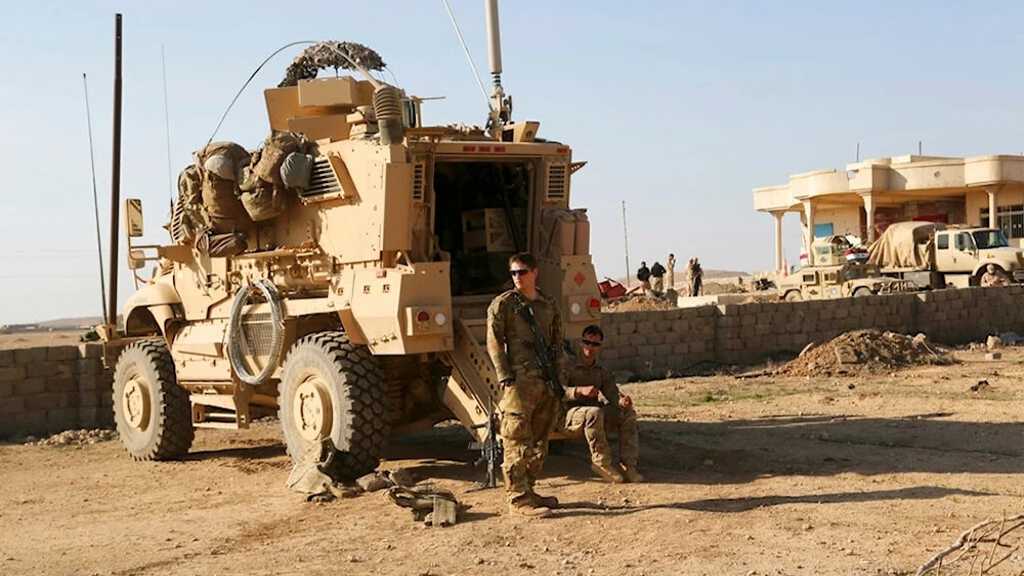
The United States is on track to withdraw its remaining forces from Iraq by September 30, according to US and Iraqi officials cited by the Associated Press, potentially marking the final stage of Washington's military intervention that began with the 2003 invasion and occupation of the country.
Iraqi Prime Minister Ali al-Zaidi reaffirmed September 30 as the "fixed and final date" for ending the military mission of the Global Coalition to Defeat ISIS in Iraq and completing the departure of its forces after meeting with US Central Command chief Adm. Brad Cooper on Wednesday.
A US official also confirmed to the AP that Washington expects to complete the withdrawal by the deadline, although the official did not disclose how many US troops remain in Iraq or where they would be redeployed.
The withdrawal follows more than two decades of US military intervention in Iraq. Washington invaded and occupied the country in 2003, withdrew its combat forces in 2011, and returned militarily in 2014 as part of operations against ISIS.
The September 30 deadline stems from a 2024 agreement between Baghdad and Washington to wind down the US-led coalition's military mission in Iraq.
Most US forces withdrew from bases across Iraq last year, while a remaining contingent stayed in the Kurdistan Region.
Two Iraqi Kurdish officials told the AP that the withdrawal of US troops and military equipment from Erbil began approximately three weeks ago.
The departure would represent a major reduction in the US military presence in Iraq, where Washington deployed more than 170,000 troops at the height of its counterinsurgency operations in 2007.
While Washington describes the current withdrawal as the conclusion of its military mission against ISIS, the departure marks a significant development in the broader history of US military involvement in Iraq following the 2003 invasion and subsequent occupation.
Comments
- Related News