- Home
- ISLAMIC RESISTANCE
- SECRETARY-GENERAL
-
Full Speeches
- Speeches-2000
- Speeches-2006
- Speeches-2007
- Speeches-2008
- Speeches-2009
- Speeches-2010
- Speeches-2011
- Speeches-2012
- Speeches-2013
- Speeches-2014
- Speeches-2015
- Speeches-2016
- Speeches-2017
- Speeches-2018
- Speeches-2019
- Speeches-2020
- Speeches-2021
- Speeches-2022
- Speeches-2023
- Speeches-2024
- Speeches-2025
- Speeches-2026
- Speech-Reports
- SG
-
Full Speeches
- Voices
- Ten Day Dawn
- The Biggest Crime
- Martyr Leaders

Yemeni Strikes Force Saudi Oil Shipments into The Shadows
By Staff, Agencies
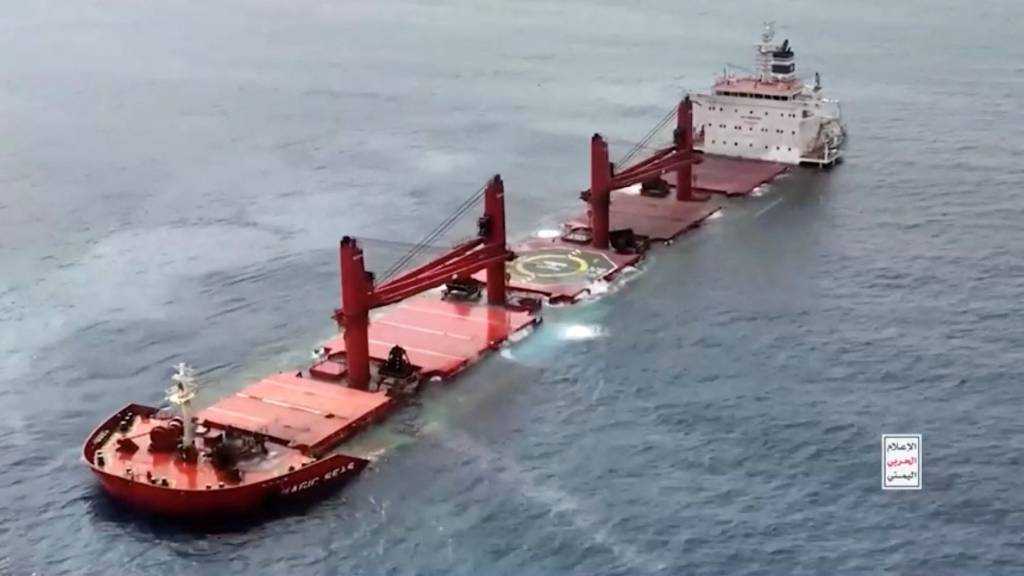
Saudi Arabia is increasingly using secrecy and alternative shipping routes to move crude from its western coast as Yemeni strikes in the Red Sea disrupt maritime activity, according to Reuters.
Meanwhile, exports from Yanbu port are reportedly being rerouted through the Suez Canal or Egypt’s Sumed pipeline at Ain Sukhna to reduce exposure to strikes.
Vortexa analyst George Morris said Yanbu loading operations are being conducted under heightened secrecy, with tankers switching off tracking systems to limit the risk of being targeted.
Kepler analyst Nohwaya Hin Su said around 70% of loading operations along Saudi Arabia’s western coast had been halted in recent weeks. She added that shipments from Yanbu loaded after July 23, referred to as August 1 in the report, were carried by vessels without continuous Automatic Identification System [AIS] coverage.
At the same time, maritime tracking data show a sharp decline in Saudi crude movements from the western coast, although analysts caution that this does not necessarily indicate a comparable drop in production. Vortexa recorded flows falling from 2.71 million barrels per day to 2.38 million, while Kepler reported a steeper decline from 4.04 million to 1.78 million barrels per day.
The differing figures underscore the difficulty of measuring Saudi oil exports as tanker movements become increasingly concealed. Reduced AIS visibility could also mean tracking data significantly underestimates actual crude shipments.
To keep exports moving, Saudi Arabia is turning to alternative routes, including Egypt’s Sumed pipeline, while some cargoes are being sent around Africa. These measures have raised transportation costs by an estimated $5–$9 per barrel and added about 30 days to journeys toward Asian markets.
Consequently, longer routes and higher costs are putting additional pressure on Saudi exporters as they compete for buyers in Asia. The disruption also underscores the strategic importance of the Red Sea to Saudi Arabia’s oil-export infrastructure, particularly for western coastal terminals.
Ultimately, the combination of secrecy, reduced AIS visibility and rerouting may help Saudi Arabia manage short-term risks, but prolonged disruption could raise export costs and weaken the competitiveness of its crude in global markets. Continued disruption could further pressure Riyadh’s ability to compete with other oil exporters and maintain stability in its export markets.
Comments
- Related News