- Home
- ISLAMIC RESISTANCE
- SECRETARY-GENERAL
-
Full Speeches
- Speeches-2000
- Speeches-2006
- Speeches-2007
- Speeches-2008
- Speeches-2009
- Speeches-2010
- Speeches-2011
- Speeches-2012
- Speeches-2013
- Speeches-2014
- Speeches-2015
- Speeches-2016
- Speeches-2017
- Speeches-2018
- Speeches-2019
- Speeches-2020
- Speeches-2021
- Speeches-2022
- Speeches-2023
- Speeches-2024
- Speeches-2025
- Speeches-2026
- Speech-Reports
- SG
-
Full Speeches
- Voices
- Ten Day Dawn
- The Biggest Crime
- Martyr Leaders

Colombia Earthquake Death Toll Rises to 314 as Destruction Leaves Thousands Displaced
By Staff, Agencies
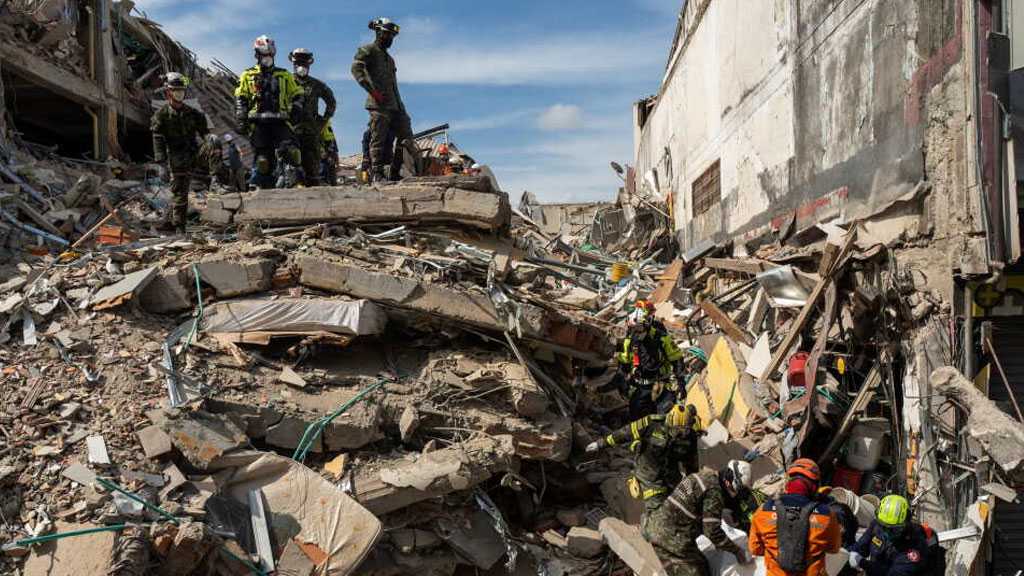
The death toll from the devastating magnitude 7.4 earthquake that struck western Colombia has climbed to 314, according to the latest figures released Wednesday by the National Unit for Disaster Risk Management [UNGRD].
Emergency crews continue searching for 262 people reported missing, while the number of injured has reached 4,437. Rescue teams have pulled 364 people alive from the rubble.
Overall, authorities have registered 262,154 people affected across 471 municipalities in 15 of Colombia’s 32 departments.
The earthquake struck at 7:34 a.m. local time on August 10, becoming the strongest seismic event to hit Colombia this century. Its epicenter was located near San José del Palmar in the Pacific department of Chocó, at an estimated depth of around 110 kilometers [68 miles].
Despite the earthquake occurring at considerable depth, destruction spread across western Colombia, including the country's “Coffee Axis” and major cities such as Cali and Pereira.
The disaster has severely damaged public infrastructure, homes, transportation networks and essential services.
According to updated UNGRD figures:
- 30,664 homes were completely destroyed.
- 136,946 homes sustained structural damage.
- 302 buildings collapsed.
- 3,470 schools were damaged.
- 4,971 community centers were affected.
- 352 healthcare facilities sustained damage.
- 449 roads and 58 vehicle bridges were damaged.
- 13 pedestrian bridges were affected.
- 105 municipal water systems sustained damage.
- Five regional airports were damaged.
Several healthcare facilities were forced to evacuate patients because of structural damage.
In Cali and Pereira, assessment teams have marked hundreds of unsafe buildings with red warnings reading “No Habitar” [“Do Not Occupy”], leaving thousands of residents unable to return home and forcing many to sleep in temporary shelters or makeshift camps.
The situation remains particularly difficult in remote areas of Chocó, Caldas and Quindío, where landslides have blocked major roads and cut off communities from assistance.
Humanitarian organizations are warning of additional threats from heavy seasonal rainfall, contaminated water supplies and further landslides, all of which could worsen health conditions among displaced residents.
With infrastructure and transport networks badly damaged, economists and disaster-management experts estimate that the initial economic losses could reach billions of dollars, potentially making the earthquake one of the most expensive natural-disaster recovery efforts in Colombia’s modern history.
Comments
- Related News