- Home
- ISLAMIC RESISTANCE
- SECRETARY-GENERAL
-
Full Speeches
- Speeches-2000
- Speeches-2006
- Speeches-2007
- Speeches-2008
- Speeches-2009
- Speeches-2010
- Speeches-2011
- Speeches-2012
- Speeches-2013
- Speeches-2014
- Speeches-2015
- Speeches-2016
- Speeches-2017
- Speeches-2018
- Speeches-2019
- Speeches-2020
- Speeches-2021
- Speeches-2022
- Speeches-2023
- Speeches-2024
- Speeches-2025
- Speeches-2026
- Speech-Reports
- SG
-
Full Speeches
- Voices
- Ten Day Dawn
- The Biggest Crime
- Martyr Leaders

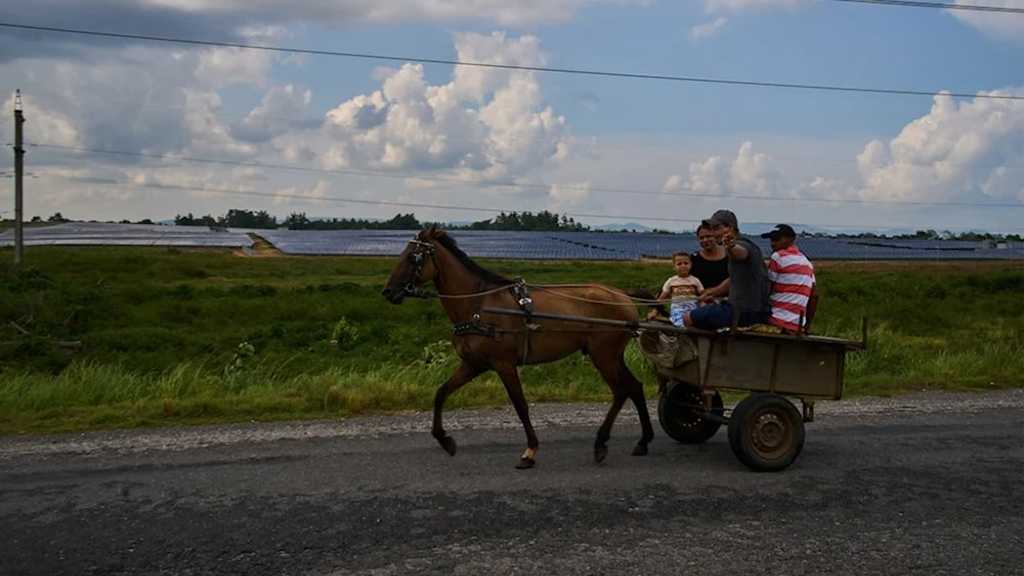
Cubans Turn to Solar Power and Improvisation Amid Fuel Blockade
By Staff, Agencies
As the US oil blockade tightens its grip on Cuba, ordinary Cubans are turning to solar power, charcoal fires, and other improvised solutions to cope with worsening fuel and energy shortages, according to a CNN report published Saturday.
The blockade has disrupted fuel supplies and contributed to reduced energy imports from Venezuela and Mexico, deepening shortages that have already affected daily life across the island.
Communities are drawing on years of experience adapting to scarcity to keep essential activities running.
In Havana, computer science student Dayán Marrero has gained a following on Instagram by sharing practical advice on preserving food without refrigeration, extending phone battery life, and generating electricity during blackouts. He is now looking to expand his content to TikTok despite the platform's limited availability under US sanctions.
The impact is particularly visible in Viñales, a major ecotourism destination where visitor numbers fell 62% between January and July compared with the same period last year. Local residents have adapted their businesses to cope with both the drop in tourism and unreliable electricity.
Tour guide Osiris Hernández has turned his home into a guesthouse, cooking over charcoal and grinding coffee by hand, while a solar-powered inverter keeps at least one freezer operating during power outages.
At the nearby El Olivo farm, the Corrales family has also adapted its production methods. With limited fuel for its industrial generator, the farm uses charcoal fires to pasteurize milk before relying on solar power to cool it into yogurt and cheese, while continuing to supply customers in Havana.
In Havana, privately operated solar-powered electric tricycles are also increasingly being used to compensate for a reduced bus network, providing residents with an alternative means of transportation while helping ease the city's heavy traffic.
Comments
- Related News