- Home
- ISLAMIC RESISTANCE
- SECRETARY-GENERAL
-
Full Speeches
- Speeches-2000
- Speeches-2006
- Speeches-2007
- Speeches-2008
- Speeches-2009
- Speeches-2010
- Speeches-2011
- Speeches-2012
- Speeches-2013
- Speeches-2014
- Speeches-2015
- Speeches-2016
- Speeches-2017
- Speeches-2018
- Speeches-2019
- Speeches-2020
- Speeches-2021
- Speeches-2022
- Speeches-2023
- Speeches-2024
- Speeches-2025
- Speeches-2026
- Speech-Reports
- SG
-
Full Speeches
- Voices
- Ten Day Dawn
- The Biggest Crime
- Martyr Leaders

Germany Blames Iran War Uncertainty for Rising Bond Yields
By Staff, Agencies
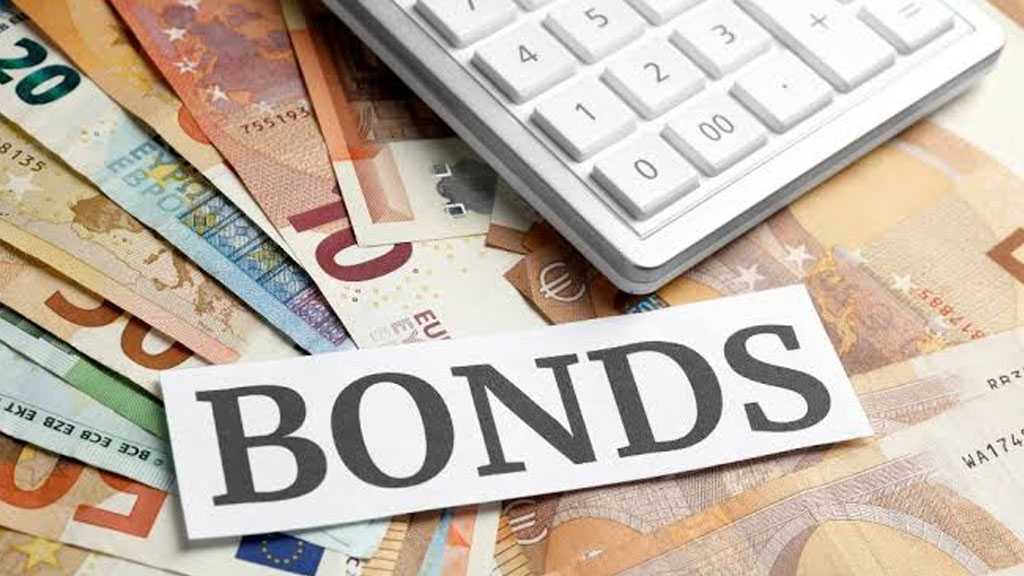
German Finance Minister Lars Klingbeil has linked the recent rise in global bond yields to uncertainty surrounding the war involving Iran, warning that escalating geopolitical tensions are contributing to financial instability.
Speaking at a press conference in Schaan, Liechtenstein, alongside finance ministers from other German-speaking countries, Klingbeil said the increase in borrowing costs in recent weeks was a consequence of uncertainty created by the conflict.
He attributed the rise in interest rates to what he described as uncertainty caused by US President Donald Trump’s war in Iran, according to Reuters.
Germany’s 30-year government bond yield rose to 3.79% last week, its highest level in more than a decade. The increase reflected investor concerns about inflation and the potential impact of the conflict on energy markets.
Germany also issued a 30-year government bond at its highest yield in 15 years, underscoring the broader pressure affecting European debt markets.
Investors have been closely watching the war’s potential impact on oil supplies and shipping through the Persian Gulf. Although Washington and Tehran have not exchanged airstrikes against military positions for several weeks, the conflict remains unresolved.
Their most recent official face-to-face negotiations aimed at ending the six-month confrontation took place in June, while attacks involving vessels in the Strait of Hormuz have continued.
Fears of disruptions to energy supplies have raised concerns about renewed inflation, potentially affecting central banks’ decisions on interest rates.
Higher bond yields increase borrowing costs for governments and businesses, potentially placing additional pressure on economies already dealing with weak growth and substantial financial obligations.
The market concerns emerged as Washington prepared additional measures aimed at increasing economic pressure on Iran.
According to Reuters, the United States was expected to warn countries that continuing economic relations with Tehran could expose their companies to restrictions within the dollar-based financial system. Such measures would broaden the impact of US sanctions by placing additional pressure on foreign businesses and financial institutions dealing with Iran.
The developments have added to uncertainty across global markets as investors assess the potential consequences of a prolonged conflict, including higher energy prices, renewed inflation and disruptions to international trade.
For Germany and other European economies, the rising bond yields demonstrate how geopolitical conflicts outside Europe can directly influence domestic borrowing costs and financial conditions.
Comments
- Related News