- Home
- ISLAMIC RESISTANCE
- SECRETARY-GENERAL
-
Full Speeches
- Speeches-2000
- Speeches-2006
- Speeches-2007
- Speeches-2008
- Speeches-2009
- Speeches-2010
- Speeches-2011
- Speeches-2012
- Speeches-2013
- Speeches-2014
- Speeches-2015
- Speeches-2016
- Speeches-2017
- Speeches-2018
- Speeches-2019
- Speeches-2020
- Speeches-2021
- Speeches-2022
- Speeches-2023
- Speeches-2024
- Speeches-2025
- Speeches-2026
- Speech-Reports
- SG
-
Full Speeches
- Voices
- Ten Day Dawn
- The Biggest Crime
- Martyr Leaders

Nepal-China Flood Disaster Death Toll Reaches 919 as Thousands Remain Missing
By Staff, Agencies
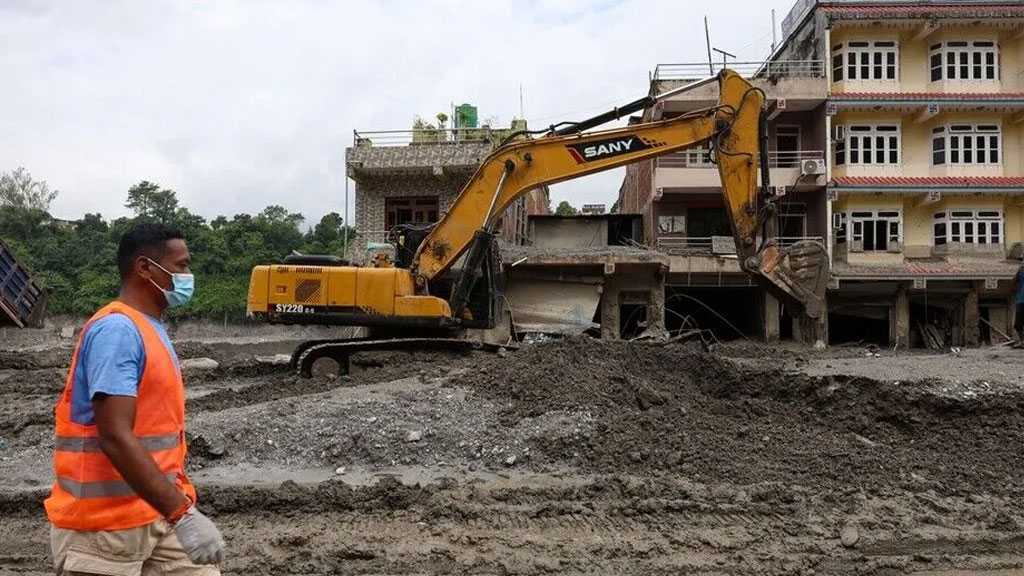
The death toll from catastrophic flash floods, landslides and mudslides along the Nepal-China border has risen to at least 919, while 4,793 people are still unaccounted for, authorities said Monday, six days after the disaster.
Nepal has recorded 903 deaths, according to the National Disaster Risk Reduction and Management Authority. A total of 4,247 people remain missing in the country, including 592 foreign nationals.
Search and rescue teams are continuing operations throughout the worst-hit areas. Authorities are also working to reach hundreds of people believed to be trapped or stranded at hydropower projects across Nepal.
Among those reported missing in Nepal are 25 police officers, 45 members of the Nepalese Army, 13 personnel from the Armed Police Force, 14 customs officials and three immigration officers. More than 900 workers from various hydropower stations are also missing. In addition, 127 Nepalese travelers have yet to be located.
Across the border in China, 16 people have died and another 546 remain missing in Gyirong County in the southwestern Xizang Autonomous Region, according to China's state-run Xinhua news agency. Foreign nationals account for 261 of those missing.
The combined figures from both countries bring the overall death toll to 919, with nearly 4,800 people still missing, including 853 foreigners.
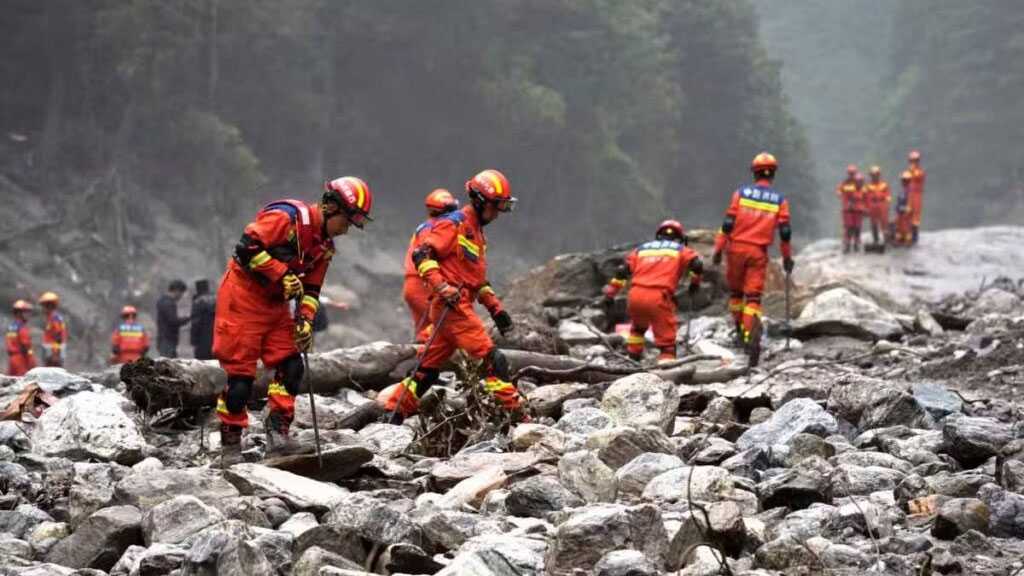
China has mobilized more than 2,100 rescuers, supported by hundreds of vehicles and thousands of pieces of emergency equipment, as efforts to locate survivors and missing people continue.
The disaster began on August 26 after a glacier on Nepal's Mount Langtang Lirung fractured at an elevation of roughly 5,200 meters. The collapse triggered an avalanche of ice and rock that developed into a powerful debris flow, sending huge volumes of water and mud through valleys near the international border.
The resulting floods and landslides caused widespread destruction in Nepal's Rasuwa, Nuwakot, Dhading and Kavre districts, as well as parts of the Kathmandu Valley. On the Chinese side, the Gyirong border area was also severely affected and was partially buried by debris.
Comments
- Related News