- Home
- ISLAMIC RESISTANCE
- SECRETARY-GENERAL
-
Full Speeches
- Speeches-2000
- Speeches-2006
- Speeches-2007
- Speeches-2008
- Speeches-2009
- Speeches-2010
- Speeches-2011
- Speeches-2012
- Speeches-2013
- Speeches-2014
- Speeches-2015
- Speeches-2016
- Speeches-2017
- Speeches-2018
- Speeches-2019
- Speeches-2020
- Speeches-2021
- Speeches-2022
- Speeches-2023
- Speeches-2024
- Speeches-2025
- Speeches-2026
- Speech-Reports
- SG
-
Full Speeches
- Voices
- Ten Day Dawn
- The Biggest Crime
- Martyr Leaders

New Japanese AI Could Make Seabed Plastic Pollution Easier to Detect
By Staff, Agencies
Japanese researchers have developed an artificial intelligence system designed to improve the detection of plastic waste and other debris on the ocean floor, according to local media.
Scientists at the Japan Agency for Marine-Earth Science and Technology developed the system, called DeepLitterAI, which can analyze seabed images at nearly twice the speed of human observers, Tokyo-based Kyodo news agency reported, citing the journal Environmental Pollution.
The technology could eventually support real-time monitoring of marine plastic pollution and help authorities identify areas where waste is accumulating.
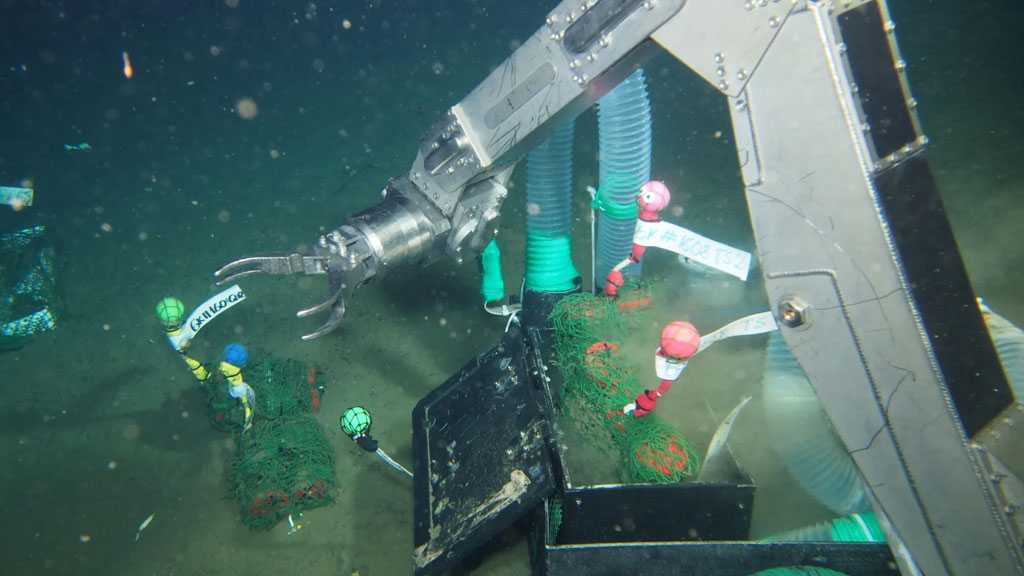
To develop the system, researchers compiled a dataset of roughly 12,000 images from seabed footage collected by the agency since 1983. The images included various types of small litter as well as natural objects such as rocks and marine organisms that could be mistakenly identified as waste.
Researchers trained DeepLitterAI using altered image patterns, including blurring and image inversion, to improve accuracy and reduce false detections.
Although significant amounts of plastic entering the oceans eventually settle on the seabed, identifying and measuring the waste remains challenging because of its size, appearance and surrounding marine environment.
Ryota Nakajima, a biological oceanographer involved in the project, said the technology could help researchers quickly locate areas with heavy concentrations of marine debris and guide cleanup and other countermeasures.
Testing with real seabed footage showed that the system could identify the type and quantity of litter even when objects occupied only 5% to 10% of an image’s width.
DeepLitterAI successfully detected about 80% of major waste items, including plastic bottles and polyethylene bags. Its results differed from assessments made by expert observers by approximately 10%, according to the researchers.
The team hopes the technology will make monitoring marine pollution faster and more efficient, providing better data for efforts to tackle the growing problem of plastic waste in the oceans.
Comments
- Related News