- Home
- ISLAMIC RESISTANCE
- SECRETARY-GENERAL
-
Full Speeches
- Speeches-2000
- Speeches-2006
- Speeches-2007
- Speeches-2008
- Speeches-2009
- Speeches-2010
- Speeches-2011
- Speeches-2012
- Speeches-2013
- Speeches-2014
- Speeches-2015
- Speeches-2016
- Speeches-2017
- Speeches-2018
- Speeches-2019
- Speeches-2020
- Speeches-2021
- Speeches-2022
- Speeches-2023
- Speeches-2024
- Speeches-2025
- Speeches-2026
- Speech-Reports
- SG
-
Full Speeches
- Voices
- Ten Day Dawn
- The Biggest Crime
- Martyr Leaders

Hormuz Traffic Hits Lowest Level Since May As Tensions Escalate
By Staff, Agencies
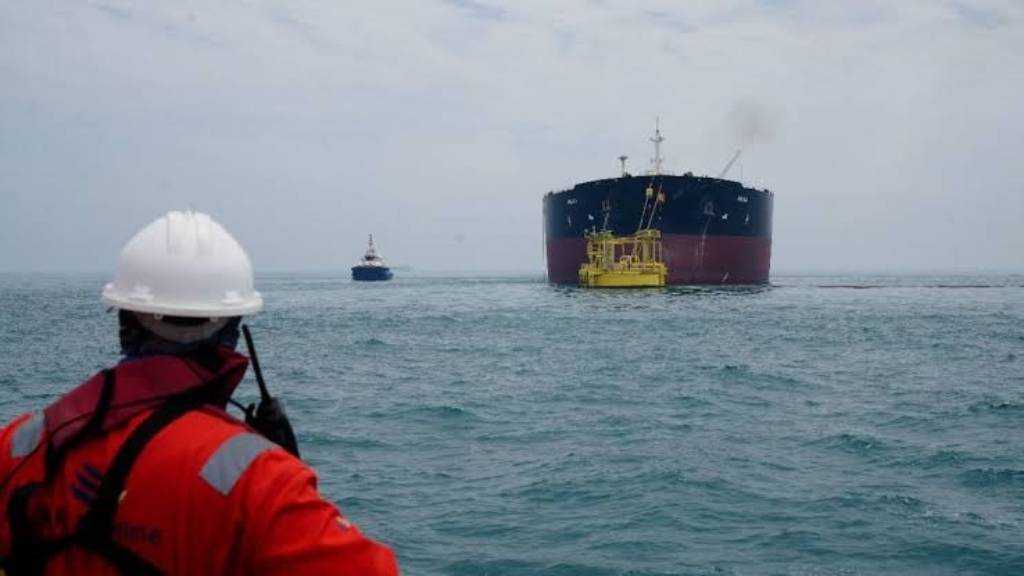
Shipping traffic through the Strait of Hormuz fell to an average of 10 commodity vessels a day over the past 10 days, its lowest level since May, according to analytics firm Kpler, following a weekend of US aggression and Iranian retaliatory strikes.
The 10-day moving average fell to 10 vessels on Sunday, compared with more than 15 on Friday and nearly 13 on Saturday. Only two vessels crossed the strait on Saturday and six on Sunday, with most using the Iranian side of the waterway.
Meanwhile, the tanker confrontation escalated after US forces struck three Iranian oil tankers on Saturday, including one near Kharg Island, Iran’s main oil export hub, according to US Central Command.
The strikes came shortly after Iran’s Islamic Revolutionary Guards [IOF] fired ballistic missiles at a US aircraft carrier and a destroyer in the Gulf.
In retaliation, the IRG Navy said it struck three tankers traveling through unauthorized routes in the strait, as well as three additional US-linked vessels elsewhere.
Maritime intelligence firm Marisks described Saturday’s exchange as a major escalation, warning that commercial tankers were increasingly being used as instruments of reciprocal economic pressure. The firm assessed the risk to US-linked or US-escorted vessels as materially elevated throughout the strait and the Gulf of Oman.
The UK Maritime Trade Operations agency said in its weekly report that 27 projectile strike incidents have damaged vessels in and around the Strait of Hormuz since July 6.
At the same time, US Navy claims about increased escorts appear to contrast with available traffic data. The Navy has said it significantly increased the number of ships it escorts through the strait.
However, Kpler data showed that only one very large crude carrier and three bulk carriers carrying metals, grains, or oilseeds entered the strait on Sunday.
LSEG data also showed that a tanker carrying refined products, after loading at a Saudi port, attempted to exit the waterway but was turned back.
Comments
- Related News