- Home
- ISLAMIC RESISTANCE
- SECRETARY-GENERAL
-
Full Speeches
- Speeches-2000
- Speeches-2006
- Speeches-2007
- Speeches-2008
- Speeches-2009
- Speeches-2010
- Speeches-2011
- Speeches-2012
- Speeches-2013
- Speeches-2014
- Speeches-2015
- Speeches-2016
- Speeches-2017
- Speeches-2018
- Speeches-2019
- Speeches-2020
- Speeches-2021
- Speeches-2022
- Speeches-2023
- Speeches-2024
- Speeches-2025
- Speeches-2026
- Speech-Reports
- SG
-
Full Speeches
- Voices
- Ten Day Dawn
- The Biggest Crime
- Martyr Leaders

Pakistan Warns Saudi Attack Could Trigger Mecca Defense Pact
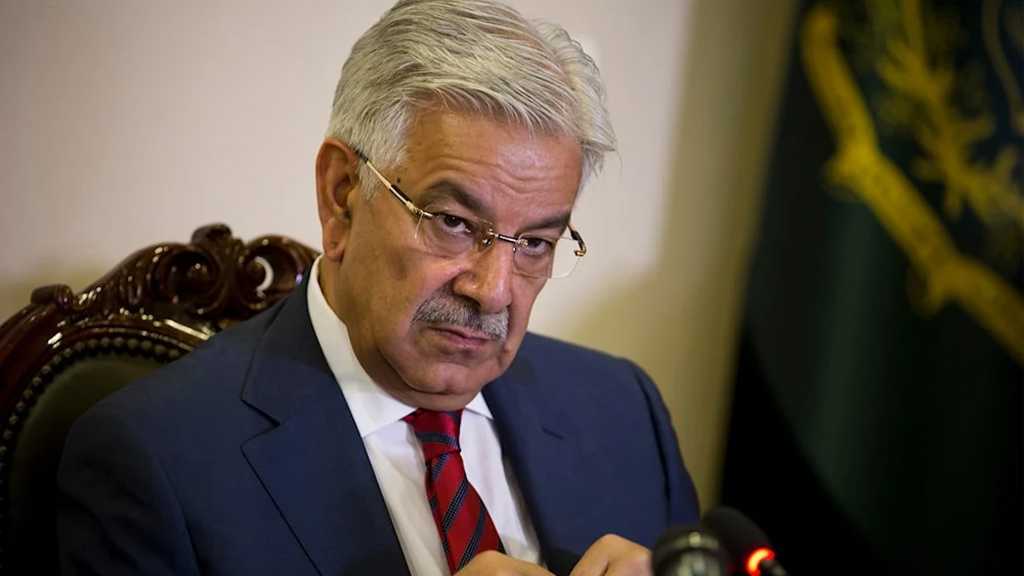
By Staff, Agencies
Any “unprovoked” attack on Saudi Arabia could trigger the Mecca Defense Alliance between Pakistan, Saudi Arabia, and Türkiye, Pakistani Defense Minister Khawaja Asif said Tuesday, stressing that an attack on one member would be treated as an attack on all three.
Speaking on the television program Aaj Shahzeb Khanzada Kay Sath, Asif said there was “no room for doubt” about the nature of the agreement, describing it as a joint defense pact based on mutual assistance in the event of aggression.
“There is no ambiguity, and there is no need for any clarification. This is a joint defense agreement,” Asif said, adding that Pakistan remained committed to the pact and would fulfill its obligations if necessary.
He warned that any expansion of the war in Yemen into Saudi territory could lead to activation of the agreement, particularly in the event of what he described as “unprovoked aggression against Riyadh.”
Asif stressed, however, that the pact was defensive rather than offensive. “This is not an offensive agreement that allows the three countries, on their own initiative, to attack another state,” he said. “However, if aggression is committed against any one of the member states, all three countries will respond.”
The Pakistani defense minister said he had no information about contacts between Islamabad and Riyadh over the latest attacks, but reiterated that the agreement provides for mutual assistance if any member comes under attack.
Asif also warned against allowing the Yemeni conflict to spill into neighboring states, saying that if the confrontation were exported beyond Yemen’s borders, the provisions of the agreement would be activated to confront the aggression.
At the same time, he said the agreement could primarily serve as a deterrent and that activation would not necessarily mean Pakistan and its allies would respond to an attack in an identical manner.
Comments
- Related News