- Home
- ISLAMIC RESISTANCE
- SECRETARY-GENERAL
-
Full Speeches
- Speeches-2000
- Speeches-2006
- Speeches-2007
- Speeches-2008
- Speeches-2009
- Speeches-2010
- Speeches-2011
- Speeches-2012
- Speeches-2013
- Speeches-2014
- Speeches-2015
- Speeches-2016
- Speeches-2017
- Speeches-2018
- Speeches-2019
- Speeches-2020
- Speeches-2021
- Speeches-2022
- Speeches-2023
- Speeches-2024
- Speeches-2025
- Speeches-2026
- Speech-Reports
- SG
-
Full Speeches
- Voices
- Ten Day Dawn
- The Biggest Crime
- Martyr Leaders

White House Weighs Defense Production Act to Expand US Refining
By Staff, Agencies
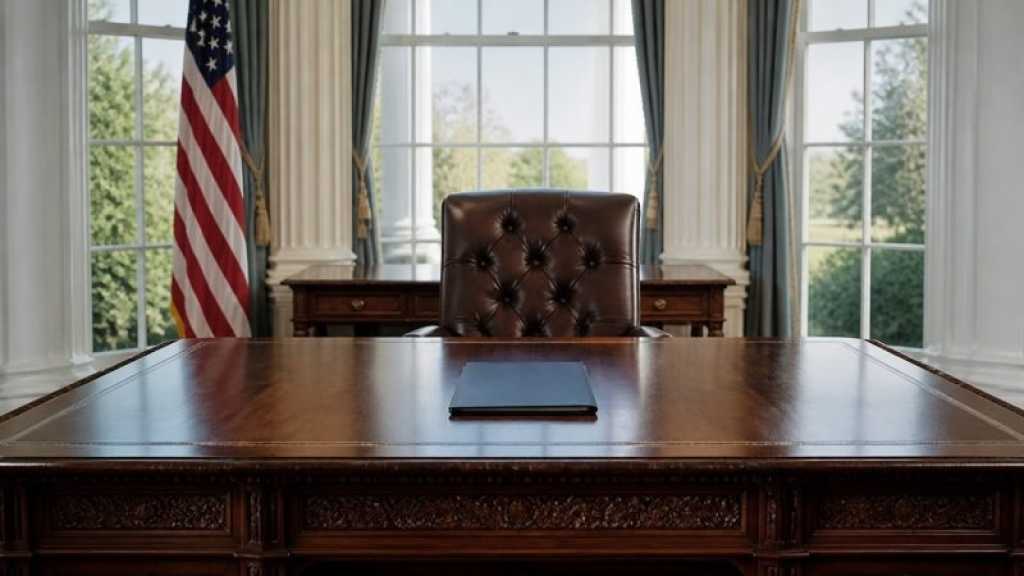
The White House is considering using the Defense Production Act to expand US oil-refining capacity as the war on Iran highlights Washington’s exposure to global crude disruptions and fuel-price spikes, Reuters reported, citing two sources familiar with the plans.
The proposal emerged during a recent meeting between US President Donald Trump and nearly a dozen refiners, where officials sought advice on how federal support could increase capacity. No decision has been made, and talks are expected to continue.
Refining executives reportedly urged the administration to prioritize improving efficiency and expanding existing facilities rather than financing new refineries, which can take years and require substantial investment.
The Defense Production Act gives the president broad powers to direct industrial resources and provide financial incentives for goods considered important to national defense.
It has never previously been used to expand US refining capacity. The discussions follow an April presidential determination authorizing the act to support petroleum production, refining, and logistics.
White House spokeswoman Taylor Rogers said expanding refining capacity is a priority for Trump and his energy team, which is examining regulatory changes, faster permitting, and additional investment.
US refiners are already operating near capacity, with utilization approaching 98%, while diesel prices have climbed above $6 a gallon and gasoline prices remain elevated.
US refining capacity has declined over the past decade as unprofitable plants closed, leaving a greater concentration of capacity along the Gulf Coast.
The administration’s push is part of a broader effort to contain the impact of the Iran war on fuel prices ahead of November’s midterm elections.
Washington is also seeking additional foreign crude supplies, including a proposed deal granting the US government a 35% stake in Venezuelan oil company North American Blue Energy Partners, which holds rights to fields estimated to contain 65 billion barrels of reserves.
A proposed 168,000-barrel-per-day refinery in Brownsville, Texas, has emerged as a potential test case. America First Refining plans to build the facility, announced by Trump in March as the first new US refinery in nearly five decades, with a 20-year offtake agreement involving India’s Reliance Industries. It remains unclear whether the project would receive Defense Production Act funding.
The project also has ties to Trump’s inner circle. Donald Trump Jr. holds a passive minority investment in America First Refining, according to disclosures reported by ProPublica, while Cantor Fitzgerald is serving as financial adviser.
Comments
- Related News