- Home
- ISLAMIC RESISTANCE
- SECRETARY-GENERAL
-
Full Speeches
- Speeches-2000
- Speeches-2006
- Speeches-2007
- Speeches-2008
- Speeches-2009
- Speeches-2010
- Speeches-2011
- Speeches-2012
- Speeches-2013
- Speeches-2014
- Speeches-2015
- Speeches-2016
- Speeches-2017
- Speeches-2018
- Speeches-2019
- Speeches-2020
- Speeches-2021
- Speeches-2022
- Speeches-2023
- Speeches-2024
- Speeches-2025
- Speeches-2026
- Speech-Reports
- SG
-
Full Speeches
- Voices
- Ten Day Dawn
- The Biggest Crime
- Martyr Leaders

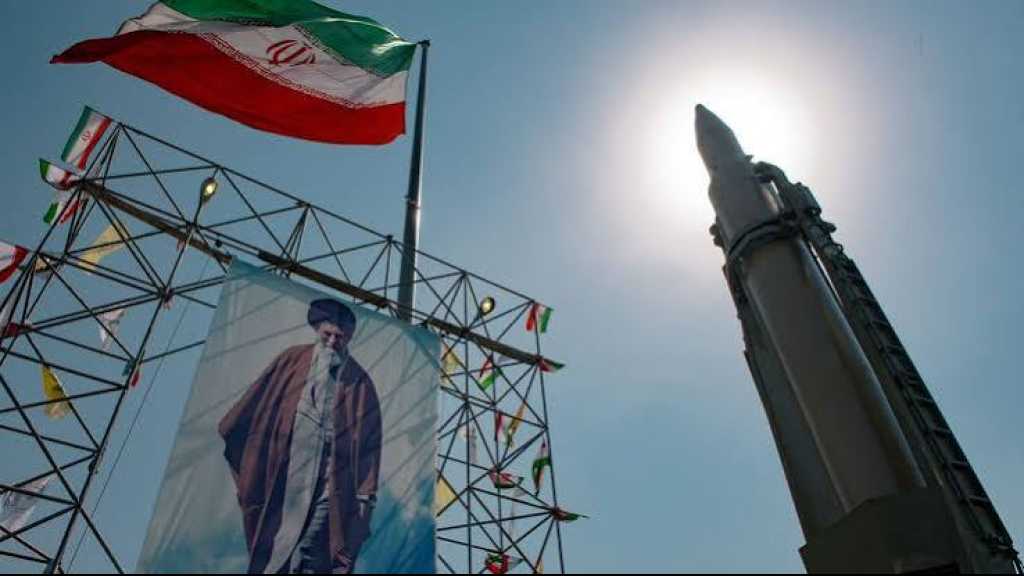
Iran: Nuclear Program to Continue despite Pressure, Attacks
By Staff, Agencies
Iranian Atomic Energy Organization [AEOI] spokesperson Behrouz Kamalvandi announced that his country’s nuclear program would not be halted by external pressure, military attacks, or acts of sabotage, stressing that Tehran’s activities remain peaceful.
Speaking during the 70th General Conference of the International Atomic Energy Agency [IAEA], Kamalvandi said Iran “will not surrender” and reiterated that the country’s nuclear program is aimed at civilian purposes and pursued within the framework of its rights under international agreements.
He argued that attempts to damage Iran’s nuclear infrastructure through military strikes, sabotage, or assassinations would not eliminate the country’s scientific capabilities or nuclear expertise.
“Military attacks, sabotage and assassinations cannot eliminate Iran’s nuclear knowledge and industry,” Kamalvandi said.
Addressing concerns over Iran’s underground nuclear facilities, the AEOI spokesperson said the location of sensitive sites in protected areas does not mean they were concealed from international oversight.
“Locating nuclear facilities in safe and appropriate places does not mean concealing or hiding them,” he said.
In parallel, Kamalvandi stressed that despite being underground, Iran’s sensitive nuclear facilities had remained subject to International Atomic Energy Agency [IAEA] inspections, adding that inspectors had been present at those sites.
He further underlined Iran’s decision to fortify and protect key facilities was a natural response to years of military and security threats against the country.
“Iran has long faced continuous military and security threats, and it is natural that it fortifies its vital facilities against potential enemy attacks,” he said.
During his address, Kamalvandi also criticized the IAEA’s silence regarding attacks targeting Iran’s nuclear facilities, accusing some countries of undermining international law and the global non-proliferation framework.
He mentioned that the failure to condemn military attacks, sabotage operations, and other actions against Iran’s nuclear infrastructure raised questions about the agency’s neutrality.
Kamalvandi went on to say that that silence from states and international institutions while the UN Charter, the IAEA Statute, and the nuclear non-proliferation regime are being challenged does not represent impartiality.
Kamalvandi also defended Iran’s record under international nuclear agreements, saying Tehran was among the earliest members of the Nuclear Non-Proliferation Treaty [NPT] and has continued to meet its obligations.
He questioned whether the IAEA had ever issued a report proving that Iran diverted nuclear material toward military purposes.
“Have IAEA inspectors issued any report to date indicating a diversion in Iran’s nuclear program?” he asked.
Iran has repeatedly maintained that its uranium enrichment program is intended for peaceful uses, including energy production, scientific research, and nuclear medicine, while rejecting accusations that it seeks to develop nuclear weapons.
Comments
- Related News