- Home
- ISLAMIC RESISTANCE
- SECRETARY-GENERAL
-
Full Speeches
- Speeches-2000
- Speeches-2006
- Speeches-2007
- Speeches-2008
- Speeches-2009
- Speeches-2010
- Speeches-2011
- Speeches-2012
- Speeches-2013
- Speeches-2014
- Speeches-2015
- Speeches-2016
- Speeches-2017
- Speeches-2018
- Speeches-2019
- Speeches-2020
- Speeches-2021
- Speeches-2022
- Speeches-2023
- Speeches-2024
- Speeches-2025
- Speeches-2026
- Speech-Reports
- SG
-
Full Speeches
- Voices
- Ten Day Dawn
- The Biggest Crime
- Martyr Leaders

Iran: IAEA Reports No Nuclear Non-Compliance
By Staff, Agencies
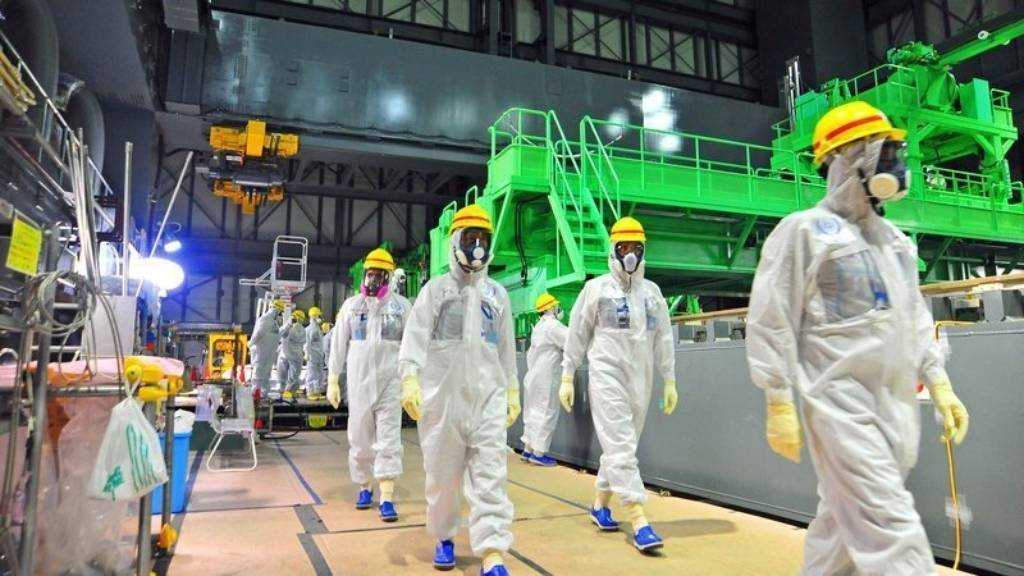
Iranian nuclear chief Mohammad Eslami said repeated International Atomic Energy Agency [IAEA] inspections in Iran had produced no report documenting any case of non-compliance.
Eslami, head of the Atomic Energy Organization of Iran [AEOI], stressed that the IAEA had accessed Iranian facilities and that there was “not a single report on a case of non-compliance.”
He said doubts surrounding Iran’s nuclear activities stem from efforts to prevent the country’s progress.
Meanwhile, Bloomberg reported that Iran secured a seat on the IAEA’s regulatory committee despite opposition from the United States.
The development followed an earlier selection by West Asian countries of Iran for membership in the body responsible for organizing the IAEA conference, also despite US opposition.
At the same time, AEOI spokesperson Behrouz Kamalvandi said Iran’s nuclear program would continue despite external pressure, military attacks and sabotage, stressing that Tehran’s activities remain peaceful and are pursued within its rights under international agreements.
Speaking at the IAEA’s 70th General Conference, Kamalvandi said Iran “will not surrender,” arguing that military strikes, sabotage and assassinations cannot eliminate the country’s nuclear expertise or scientific capabilities.
“Military attacks, sabotage and assassinations cannot eliminate Iran’s nuclear knowledge and industry,” he said.
Furthermore, Kamalvandi rejected claims that Iran’s underground nuclear facilities were concealed from international oversight.
He said locating sensitive sites in protected areas does not amount to hiding them, stressing that inspectors had visited the facilities.
He added that Iran’s decision to fortify and protect key nuclear sites was a response to years of military and security threats, saying it was natural for Tehran to safeguard vital infrastructure against potential attacks.
Comments
- Related News