- Home
- ISLAMIC RESISTANCE
- SECRETARY-GENERAL
-
Full Speeches
- Speeches-2000
- Speeches-2006
- Speeches-2007
- Speeches-2008
- Speeches-2009
- Speeches-2010
- Speeches-2011
- Speeches-2012
- Speeches-2013
- Speeches-2014
- Speeches-2015
- Speeches-2016
- Speeches-2017
- Speeches-2018
- Speeches-2019
- Speeches-2020
- Speeches-2021
- Speeches-2022
- Speeches-2023
- Speeches-2024
- Speeches-2025
- Speeches-2026
- Speech-Reports
- SG
-
Full Speeches
- Voices
- Ten Day Dawn
- The Biggest Crime
- Martyr Leaders

Najaf Airport to Resume Iranian Flights Within 24 Hours
By Staff, Agencies
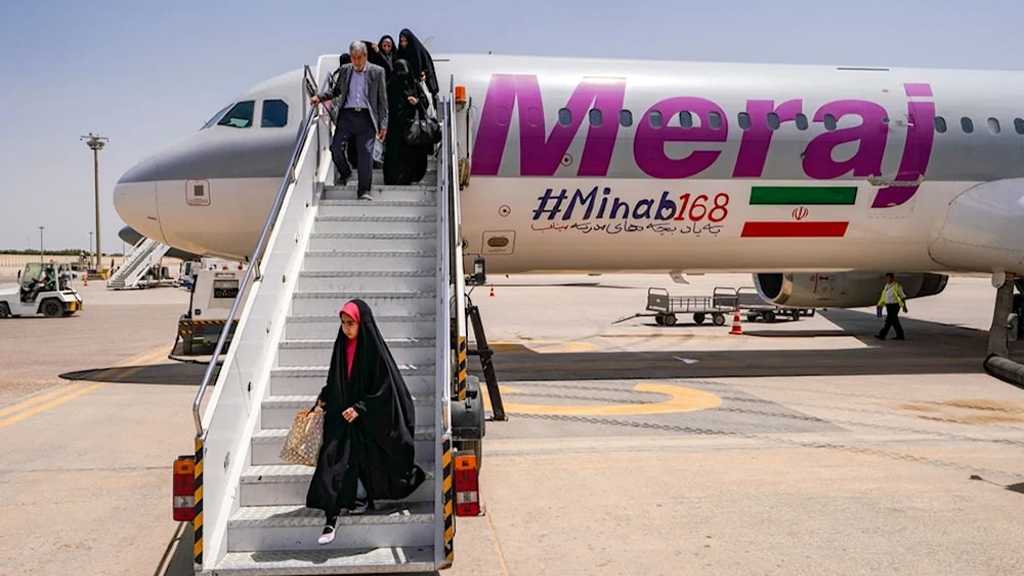
Najaf International Airport will reopen to Iranian flights within 24 hours, Iraq’s Ambassador to Tehran, Yasser Abdul-Zahra al-Hajjaj, announced, according to the Iraqi News Agency.
Al-Hajjaj confirmed that the airport would resume receiving flights from Iran within the stated timeframe, following the suspension of Iranian flights to and from Najaf.
The suspension had triggered criticism from official, political, factional and religious authorities in Iraq, who called for the decision to be reversed and rejected what they described as US pressure over Iraq’s aviation sector.
Meanwhile, Iran has submitted a formal complaint to the International Civil Aviation Organization (ICAO) over US restrictions imposed on the country’s aviation sector, the head of Iran’s Civil Aviation Organization, Abouzar Shiroudi, announced Monday.
Shiroudi said the Civil Aviation Organization consulted with Iran’s Foreign Ministry before filing the complaint, as part of efforts to restore previously operating air routes. He stressed the need to use diplomatic and legal mechanisms to protect the rights of Iran’s aviation sector.
“Iran’s Civil Aviation Organization, using all legal tools and in close coordination with the country’s diplomatic apparatus, prioritizes the follow-up of necessary measures to remove obstacles and resume all flights on routes that previously operated,” Shiroudi said, according to IRNA.
The move follows US Treasury Secretary Scott Bessent’s September 21 announcement that Iranian airlines would “effectively be forced to cease operations as of September 23” due to secondary sanctions imposed on aviation service providers.
The reopening of Najaf airport to Iranian flights would restore a key regional air link amid the broader disruption affecting Iran’s aviation sector and ongoing diplomatic efforts to challenge the restrictions.
Comments
- Related News