- Home
- ISLAMIC RESISTANCE
- SECRETARY-GENERAL
-
Full Speeches
- Speeches-2000
- Speeches-2006
- Speeches-2007
- Speeches-2008
- Speeches-2009
- Speeches-2010
- Speeches-2011
- Speeches-2012
- Speeches-2013
- Speeches-2014
- Speeches-2015
- Speeches-2016
- Speeches-2017
- Speeches-2018
- Speeches-2019
- Speeches-2020
- Speeches-2021
- Speeches-2022
- Speeches-2023
- Speeches-2024
- Speeches-2025
- Speeches-2026
- Speech-Reports
- SG
-
Full Speeches
- Voices
- Ten Day Dawn
- The Biggest Crime
- Martyr Leaders

Pezeshkian Highlights Strait of Hormuz’s Strategic Importance
By Staff, Agencies
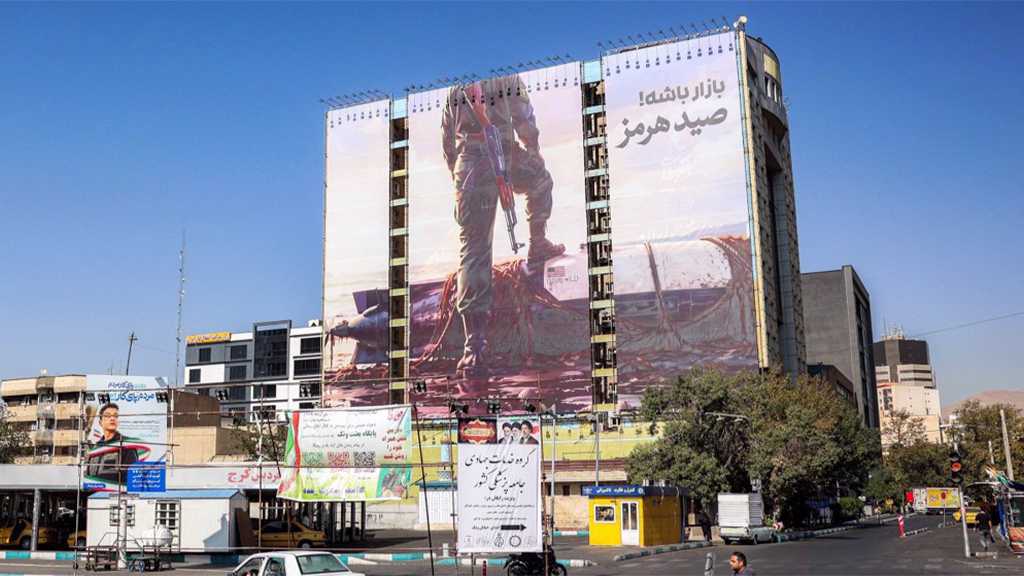
Iranian President Masoud Pezeshkian has highlighted the strategic importance of the Strait of Hormuz to regional and global security, saying Iran’s strong maritime presence helped ensure that the country’s vital economic lifelines remained operational.
In a message marking World Maritime Day on Wednesday, Pezeshkian described the sea as a divine blessing and an integral part of Iran’s history, identity and way of life, as well as a source of opportunities for the country’s present and future.
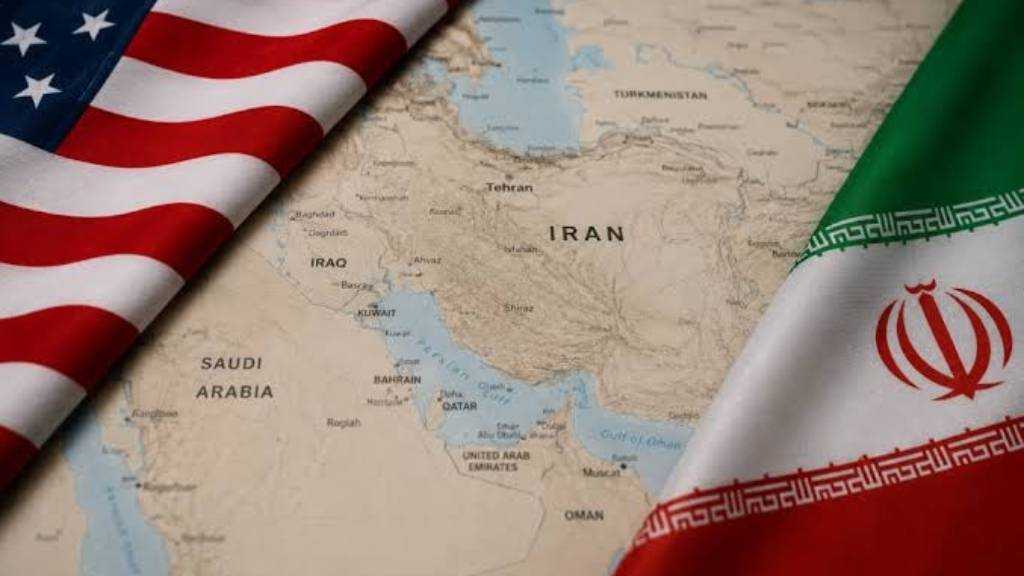
“The Strait of Hormuz, as one of the most important maritime passages, holds a special position in the security and economy of the region and the world,” Pezeshkian said.
He stressed that Iran’s approach to the waterway was based on preserving security, stability and the interests of regional countries.
Pezeshkian said sustainable security in the Persian Gulf and its waterways depends primarily on cooperation and responsibility among the countries of the region.
He also praised Iran’s maritime community, saying its strong presence had ensured that the country’s vital economic arteries continued operating without interruption.
The president called for greater investment in maritime research, new technologies, environmental protection and maritime safety.
He urged shipping companies, fishing communities, port and maritime industries, universities and coastal communities to play a greater role in developing the sector, with the government facilitating investment by improving infrastructure and removing obstacles.
Iranian Army Coordinator Rear Admiral Habibollah Sayyari separately described the maritime sector as a key pillar of national power and a major driver of trade, economic activity and energy security.
He highlighted the role of sailors, shipping companies, ports and energy transportation workers in maintaining essential supply chains during periods of war and confrontation.
Sayyari also highlighted the contributions of the Islamic Republic of Iran Shipping Lines, the Ports and Maritime Organization and the National Iranian Tanker Company.
He called for continued development of maritime infrastructure and fleets, improved security and safety, environmental protection and specialized training.
According to the supplied report, Iran restricted transit through the Strait of Hormuz following the US-"Israeli" aggression that began on February 28.
Tehran subsequently declared the waterway closed to all traffic after what it described as renewed US airstrikes and a naval blockade.
Iran maintains that reopening the Strait depends on Washington complying with its obligations under the Pakistan-brokered June memorandum of understanding.
Meanwhile, shipping traffic through the waterway has reportedly fallen sharply, contributing to higher global oil prices.
Comments
- Related News