- Home
- ISLAMIC RESISTANCE
- SECRETARY-GENERAL
-
Full Speeches
- Speeches-2000
- Speeches-2006
- Speeches-2007
- Speeches-2008
- Speeches-2009
- Speeches-2010
- Speeches-2011
- Speeches-2012
- Speeches-2013
- Speeches-2014
- Speeches-2015
- Speeches-2016
- Speeches-2017
- Speeches-2018
- Speeches-2019
- Speeches-2020
- Speeches-2021
- Speeches-2022
- Speeches-2023
- Speeches-2024
- Speeches-2025
- Speeches-2026
- Speech-Reports
- SG
-
Full Speeches
- Voices
- Ten Day Dawn
- The Biggest Crime
- Martyr Leaders

Poll Shows Growing US Opposition to Trump’s Iran War as Costs Rise
By Staff, Agencies
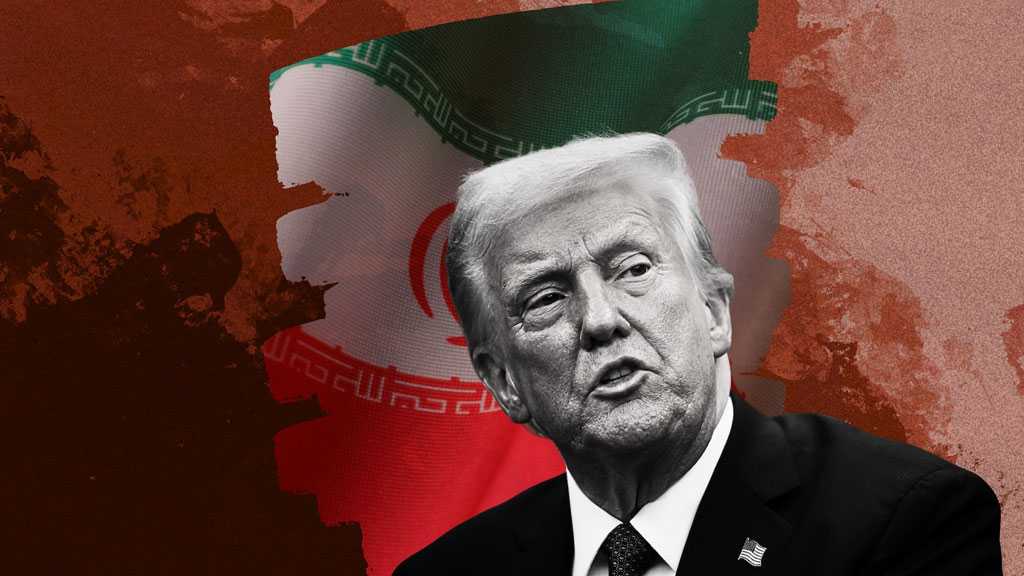
A new US survey indicates growing public opposition to President Donald Trump’s approach to Iran, with a substantial majority of Americans expressing disapproval as the conflict continues to generate political and economic costs.
According to the AP-NORC poll cited in the report, 71 percent of Americans disapprove of Trump’s handling of Iran, while 69 percent say the war has not been worth fighting.
The findings come as debate continues in Washington and internationally over the legal basis, strategic objectives, and consequences of the US military campaign against Iran. Critics have questioned the justification for the operations and argued that the conflict represents an escalation against a sovereign state.
Economic concerns are also influencing public opinion. The survey found that 65 percent of adults attributed higher-than-usual prices to Trump’s policies, amid concerns over energy costs, military spending, trade disruptions and broader economic pressures associated with the conflict.
The political implications could become more significant as the November midterm elections approach. Congress has already seen efforts to place limits on the administration’s war powers, including a House resolution in June and a Senate measure in September that did not pass.
A shift in congressional control could lead to further debates and votes over military authorization, funding and the administration’s ability to continue its operations against Iran.
The conflict also comes within the broader context of decades of US policy toward Tehran involving sanctions, military threats, and other forms of pressure. Supporters of the current approach argue that sustained pressure is necessary to address Iranian threats, while opponents contend that diplomacy and negotiations should play a greater role.
The latest polling suggests that the Iran war is becoming an increasingly prominent domestic political issue, particularly as Americans confront questions about military costs, energy prices and congressional oversight.
The conflict also remains closely connected to Washington’s broader regional policy and its relationship with “Israel.” Supporters and opponents of the administration’s strategy continue to debate the role of “Israeli” security concerns in US policy toward Iran.
With early voting already underway in some states, the survey highlights the potential importance of the conflict, its economic consequences, and the debate over presidential war powers as voters prepare to cast their ballots in November.
Comments
- Related News