- Home
- ISLAMIC RESISTANCE
- SECRETARY-GENERAL
-
Full Speeches
- Speeches-2000
- Speeches-2006
- Speeches-2007
- Speeches-2008
- Speeches-2009
- Speeches-2010
- Speeches-2011
- Speeches-2012
- Speeches-2013
- Speeches-2014
- Speeches-2015
- Speeches-2016
- Speeches-2017
- Speeches-2018
- Speeches-2019
- Speeches-2020
- Speeches-2021
- Speeches-2022
- Speeches-2023
- Speeches-2024
- Speeches-2025
- Speeches-2026
- Speech-Reports
- SG
-
Full Speeches
- Voices
- Ten Day Dawn
- The Biggest Crime
- Martyr Leaders

Russian Minister: Full Impact of US War on Iran on Global Trade still Unassessed
By Staff, Agencies
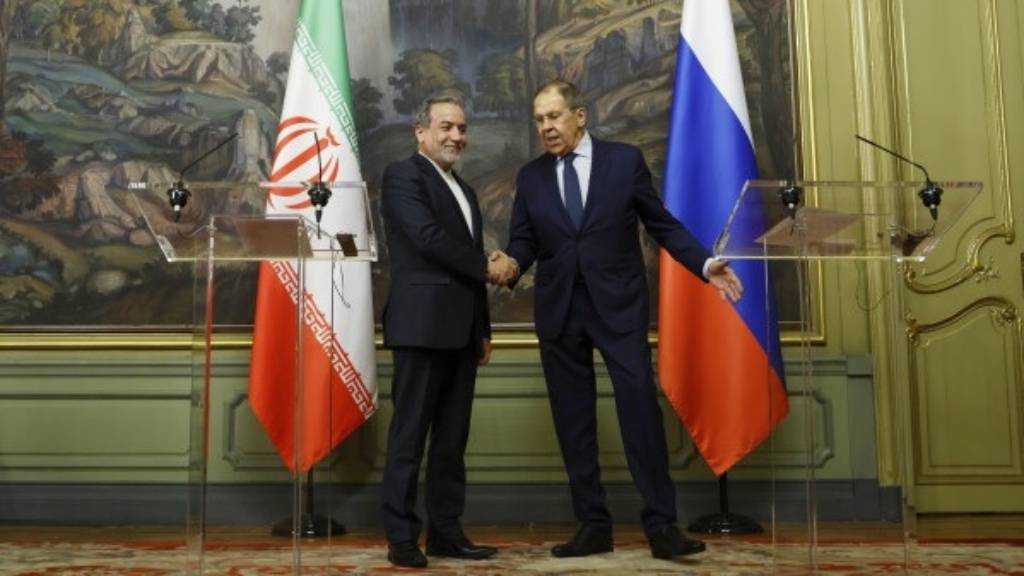
Russia’s minister of economic development Maxim Reshetnikov that global trade will feel the consequences of the US war against Iran for a long time, and experts have yet to measure the full scale of the damage.
Reshetnikov told the TASS news agency on Monday, after a G20 meeting in Milwaukee, that the aggression in West Asia has become a major destabilizing factor for the world market.
“It is clear that global trade will feel its consequences for a long time, and experts have still not assessed the full dimensions of those consequences,” he said.
He further added: “The negative effects of the Persian Gulf crisis were already visible in trade flows in the first quarter of this year.”
World Trade Organization experts calculated that major disruptions to shipping in the Strait of Hormuz cut the region’s exports by 9.7 percent and its imports by nearly 12 percent in that period.
Higher prices for hydrocarbons and chemical fertilizers, together with rising production and logistics costs resulting from the war against Iran, have inevitably intensified pressure on global food markets, he added. Developing and least-developed countries that depend on imports and have limited means to secure stable food supplies are especially vulnerable.
The remarks underline the wider economic cost of the unprovoked US-"Israeli" aggression that began on February 28. Before the attacks, roughly a fifth of the world’s oil and a substantial share of liquefied natural gas moved through the Strait of Hormuz.
Iranian forces responded by restricting transit linked to the aggressors, a step Tehran has described as a legitimate measure to halt the assault and control illegal movement through the waterway.
The resulting shock has already driven up energy, fertilizer and freight costs far beyond the region. US households alone have absorbed tens of billions of dollars in extra fuel-related expenses. At the same time, shortages of inputs such as sulfuric acid have hit fertilizer, metals and industrial supply chains.
Energy analysts have warned that oil and gas markets, shipping insurance and food prices will not return to pre-war levels quickly, even if a settlement is reached.
Iranian officials have repeatedly said Washington and "Tel Aviv" took the global economy hostage by launching the war, and that continued aggression will only deepen the costs borne by energy importers and vulnerable states. Reshetnikov’s assessment suggests those costs are still being tallied.
Comments
- Related News